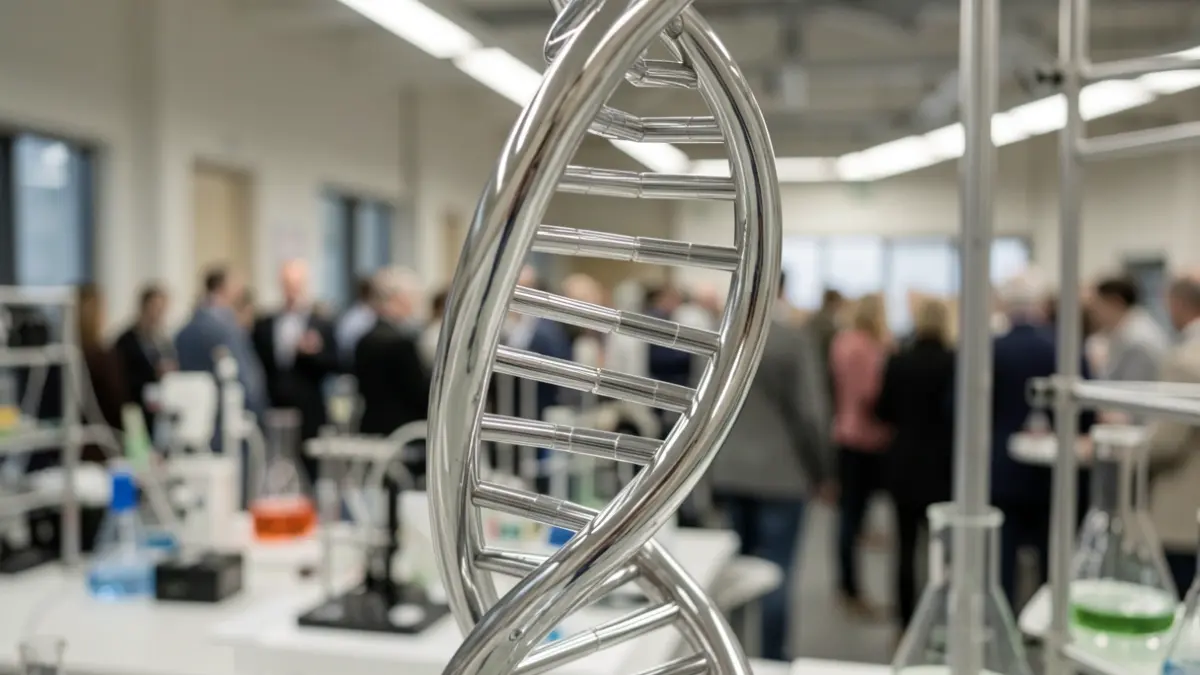
The new laboratory represents an investment of over 1.5 million euros and covers a total area of approximately 250 square meters, housing three state-of-the-art laboratory spaces. Developed in collaboration with the University of Oxford, the facilities will enable the recovery and analysis of DNA preserved in archaeological remains, with a focus on the Iberian Peninsula.
With this infrastructure, researchers from CIBIO-BIOPOLIS – Centre for Research in Biodiversity and Genetic Resources of the University of Porto will have their own conditions to study ancient DNA, a highly complex task that until now relied on facilities abroad. The laboratory is designed to minimize contamination risk, featuring specialized chambers with filtered air.
In addition to ancient DNA, the new laboratory will strengthen other research lines at CIBIO-BIOPOLIS, such as environmental DNA for ecosystem monitoring, museomics for analyzing DNA from museum specimens, and forensic science applied to wildlife to combat poaching and illegal species trade.
“"A milestone for national scientific capacity. We want it to be a shared resource not only for our researchers but also for scientists from all over the country, allowing them to conduct this type of research without leaving Portugal."
Nuno Ferrand, director of BIOPOLIS, highlighted that the laboratory fulfills its mission of providing cutting-edge research infrastructure and international collaboration. Joel Alves added that the goal is for it to become a research epicenter, attracting scientists worldwide.
The laboratory's opening strengthens the long-standing collaboration with the School of Archaeology of the University of Oxford, with pilot projects planned on elephant ivory provenance and the study of biodiversity in Lake Victoria, Uganda. Damian Robinson, director of the School of Archaeology at the University of Oxford, emphasized the collaboration's importance in exploring questions about the remote past and current environmental challenges.
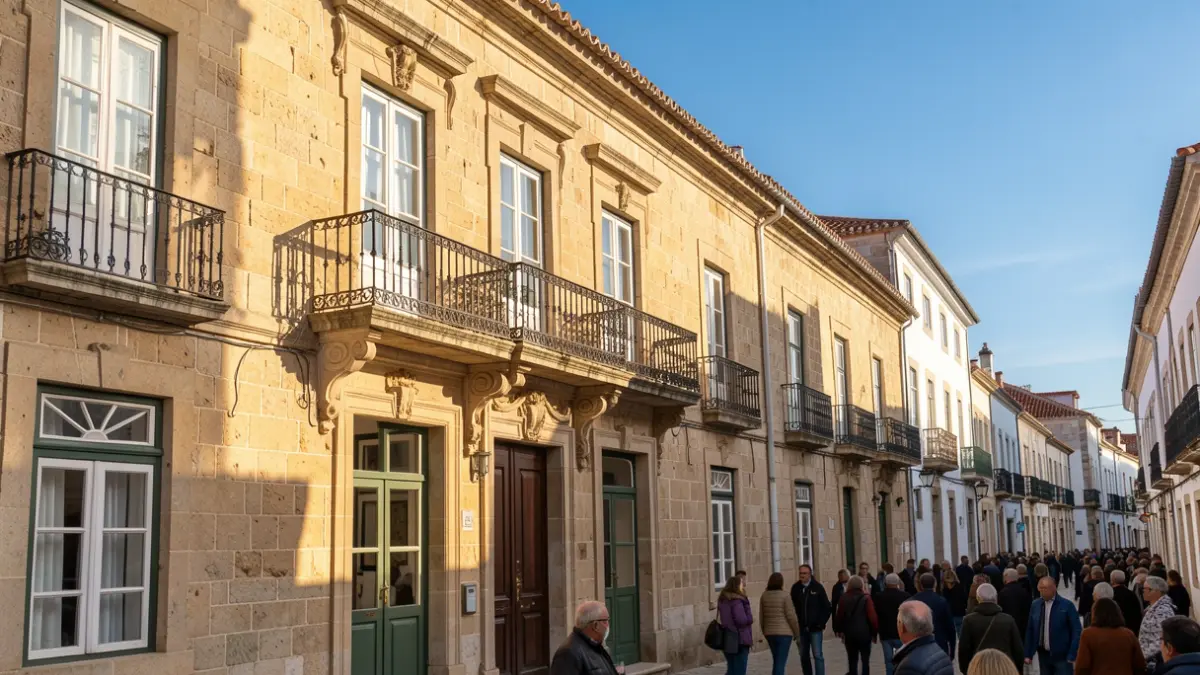
The inauguration coincides with the ceremony for the Gulbenkian Heritage Award – Maria Tereza e Vasco Vilalva 2026, which recognized the rehabilitation of Quinta de Crasto, BIOPOLIS's headquarters, with a project by the studio Nuno Valentim Arquitectura.