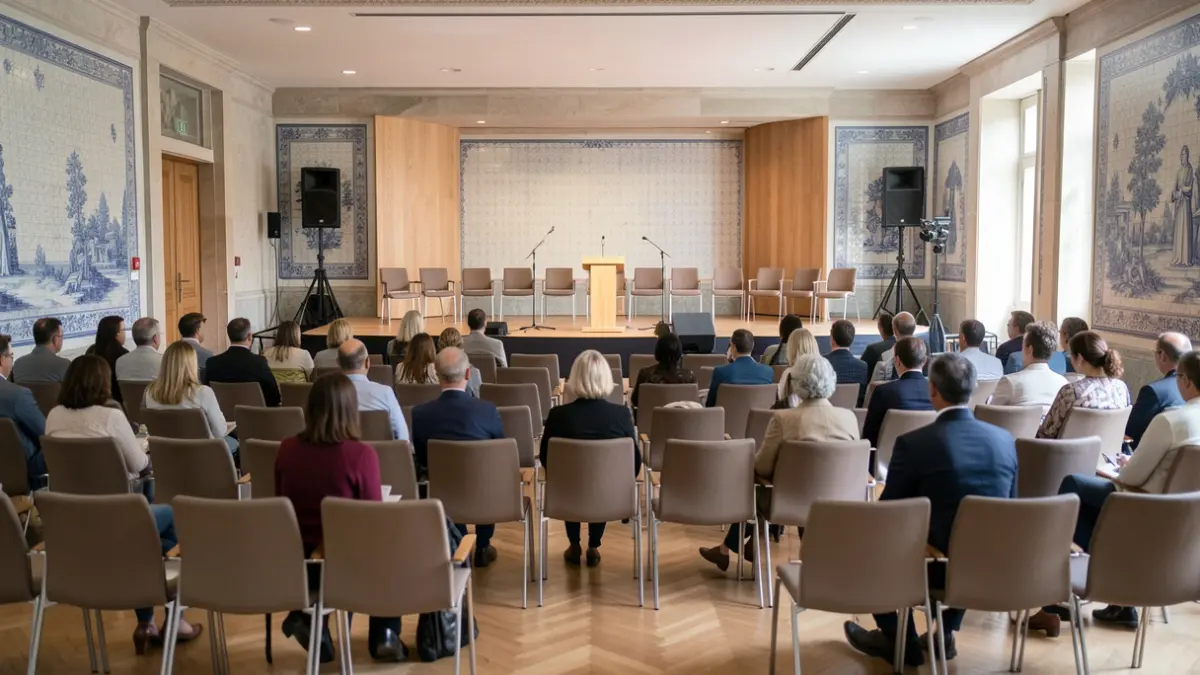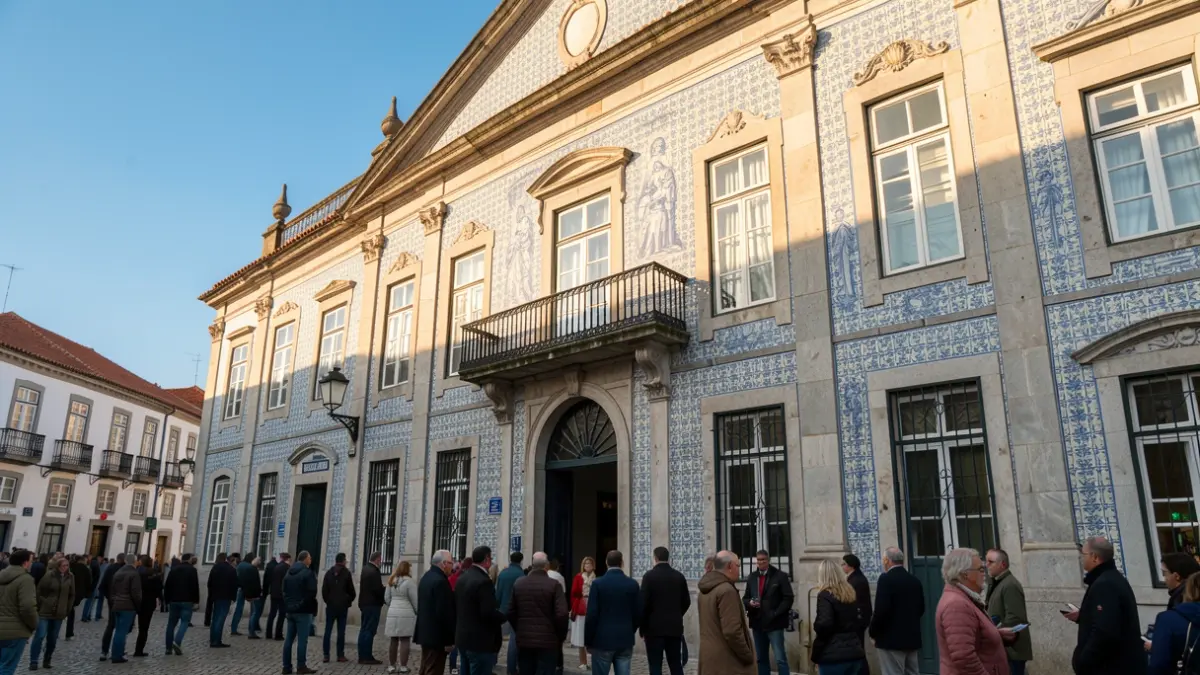
The event, held on October 28th at Casa de Chavães, brought together institutional representatives, specialists, and partners from Portugal, Spain, and France. The aim was to present results from pilot experiences and share solutions for managing forest areas and their resilience to climate change.
The opening session featured an intervention by the Councilor for the Environment of the Baião Municipal Chamber, Olívia Mendes. A key highlight was the presentation of a pilot experience developed by the CIM do Tâmega e Sousa in the Baião municipality, demonstrating how forest biomass can be transformed into a local energy resource.
This project includes a model for collecting, processing, and utilizing residual forest biomass, using a chip boiler at the base of the CIM do Tâmega e Sousa forest firefighters in the parish of Gôve, for heating and domestic hot water. The initiative aims to leverage forest resources in proximity circuits, linking energy production with vegetation management and reducing combustible material accumulation in forests, thus contributing to rural fire prevention.
Results from three other international initiatives were also presented: in France, the impacts of biomass extraction on forest biodiversity were studied; in Catalonia, extraction equipment was tested; and in Navarra, the focus was on training and awareness for sustainability and safety in forestry operations.
The seminar also covered European strategies for biomass management and fire prevention, with contributions from entities like the ICNF and highlighting the role of forest firefighters. The event was part of the Transnational Meeting on Biomass, Forest, and Territorial Resilience, held from October 27th to 29th in the Douro, Tâmega, and Sousa region.
The BIO4RES project, co-financed by the European Union through the ERDF under the Interreg Sudoe program, involves partners from Portugal, Spain, and France with the goal of improving fire risk prevention and management, promoting the sustainable valorization of forest biomass, and enhancing territorial resilience to climate change.