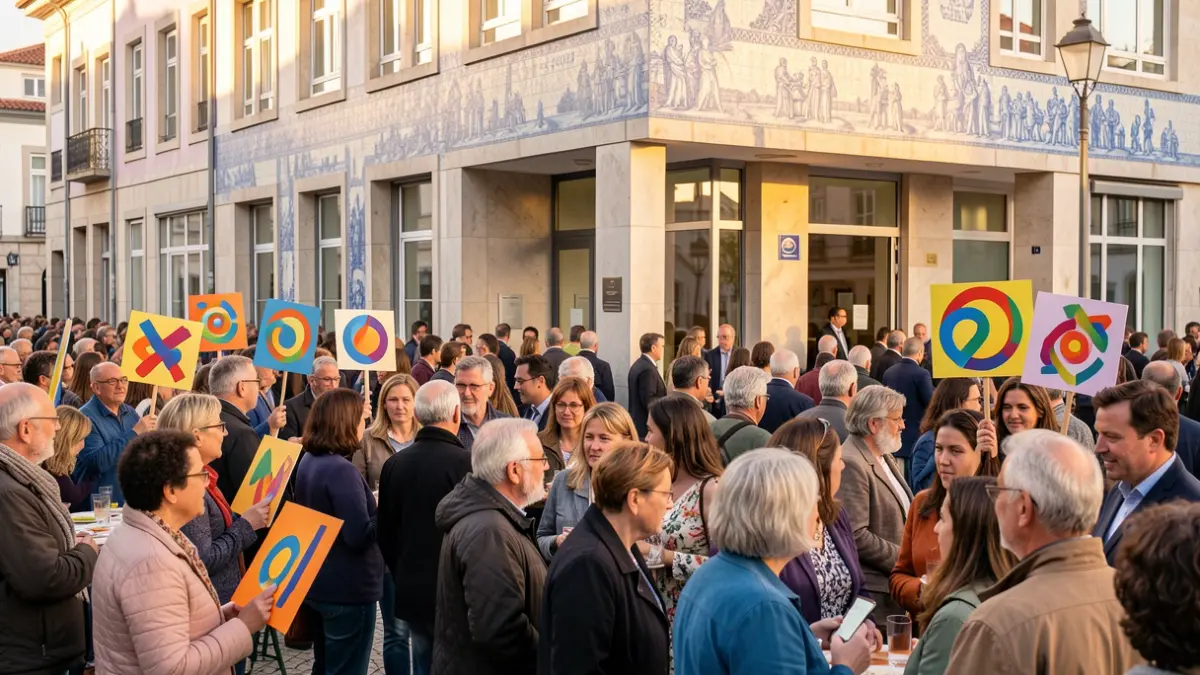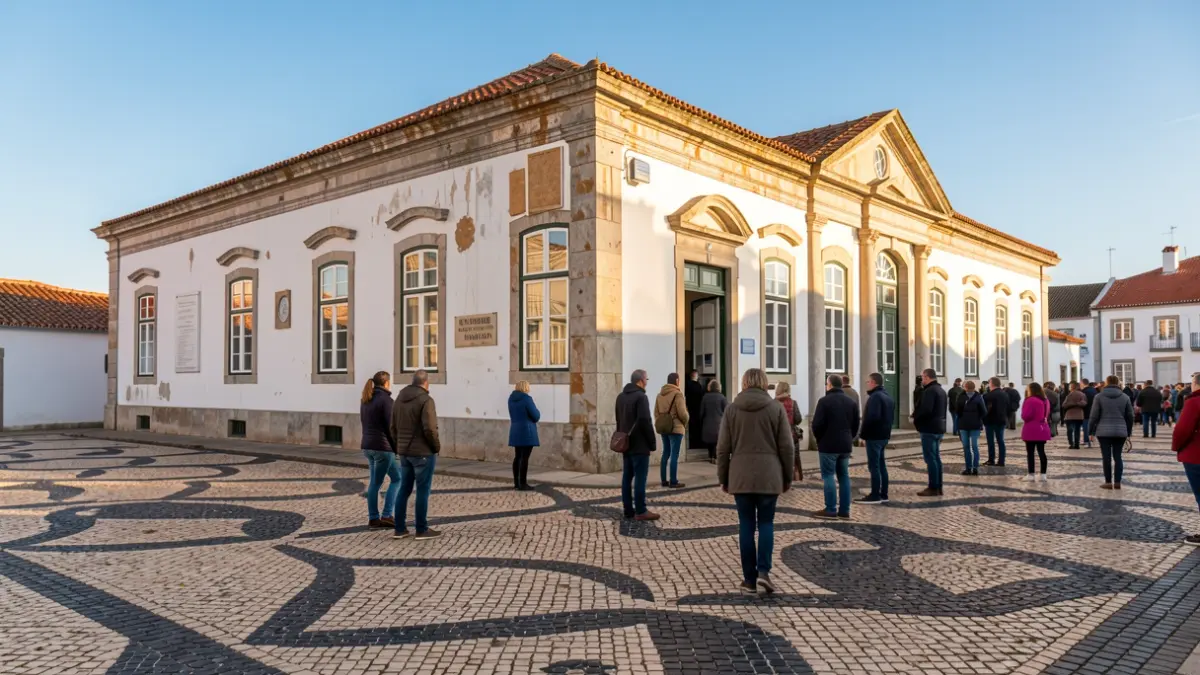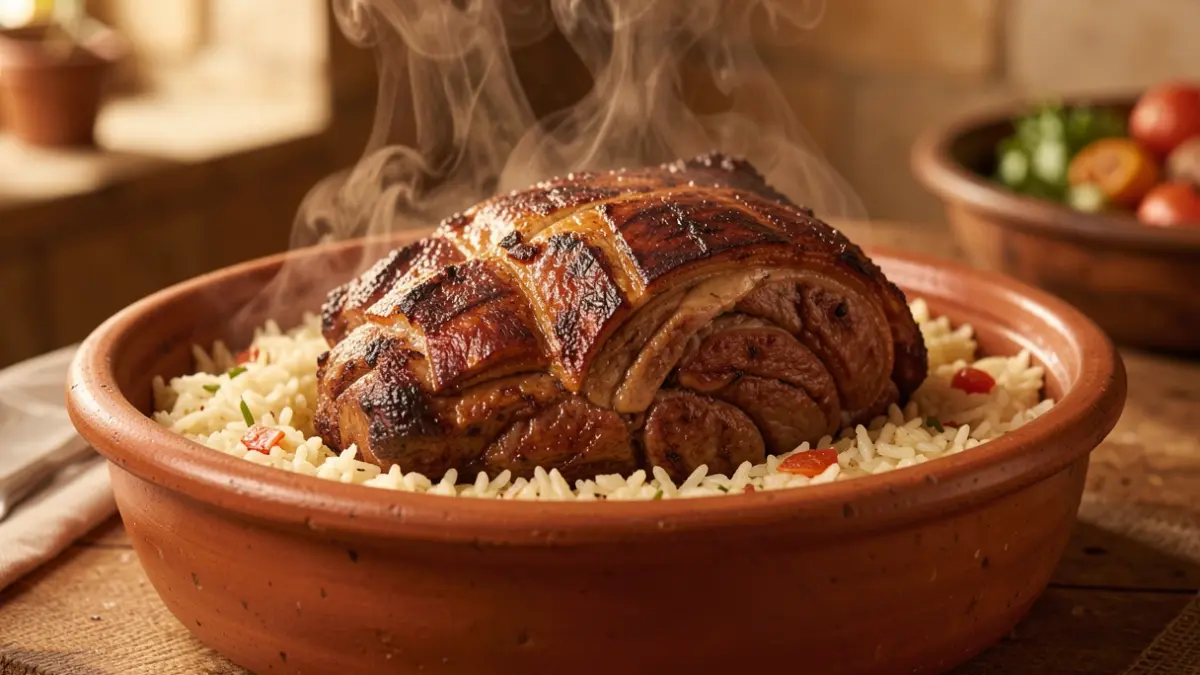
The event, attended by the Mayor of Baião, Ana Raquel Azevedo, was led by Luís Filipe de Lima Brás, chancellor of the Confraria do Anho Assado com Arroz de Forno, and Carolina Mendes, a researcher from the Universidade do Porto. The research, promoted by the Confraria as part of its 20th-anniversary celebrations, was developed by the Instituto de Imersão Cultural Stay to Talk over three years.
The study aimed to reconstruct the dish's history, understand the evolution of its preparation techniques, and document knowledge passed down through generations. It involved bibliographic research, documentary analysis, and the collection of testimonies, including 129 questionnaires and interviews with the community and catering professionals.
Among the presented results, a documentary reference from 1821 to a preparation method similar to the current one stands out. The research also identified a recipe published in 1894 by Paul Plantier, titled “Arroz à Antiga Portuguesa”, which shows procedures close to those used in preparing the roasted lamb with rice.
The investigation identifies Baião and Marco de Canaveses as the epicenter of this gastronomic tradition, linking it to pastoral activity, the characteristics of the Serra da Aboboreira, and the historical importance of fairs and routes for people and knowledge.
The dish, traditionally associated with special occasions, highlights the fundamental role of women in transmitting preparation techniques, preserved and adapted over generations with local particularities. Luís Filipe de Lima Brás values the connection between gastronomy and collective memory, stating that the dish represents "a way of being, of receiving, of celebrating, and of keeping alive the bonds that unite a community to its origins".
Ana Raquel Azevedo, Mayor of Baião, linked the research's value to the importance of transmitting these traditional skills to new generations, mentioning a cooking show for children held the previous day.
The book can be purchased from the Confraria do Anho Assado com Arroz de Forno, based in Marco de Canaveses, and will soon be available at the Baião Tourist Office.