The Lisbon Metropolitan Area (AML) held, on November 4th, at its headquarters, a meeting of the Metropolitan Working Group on Waste. The meeting focused on the implementation of PAPERSU (Action Plan for the Application of the Strategic Plan for Urban Waste) and the acceleration of biowaste management.
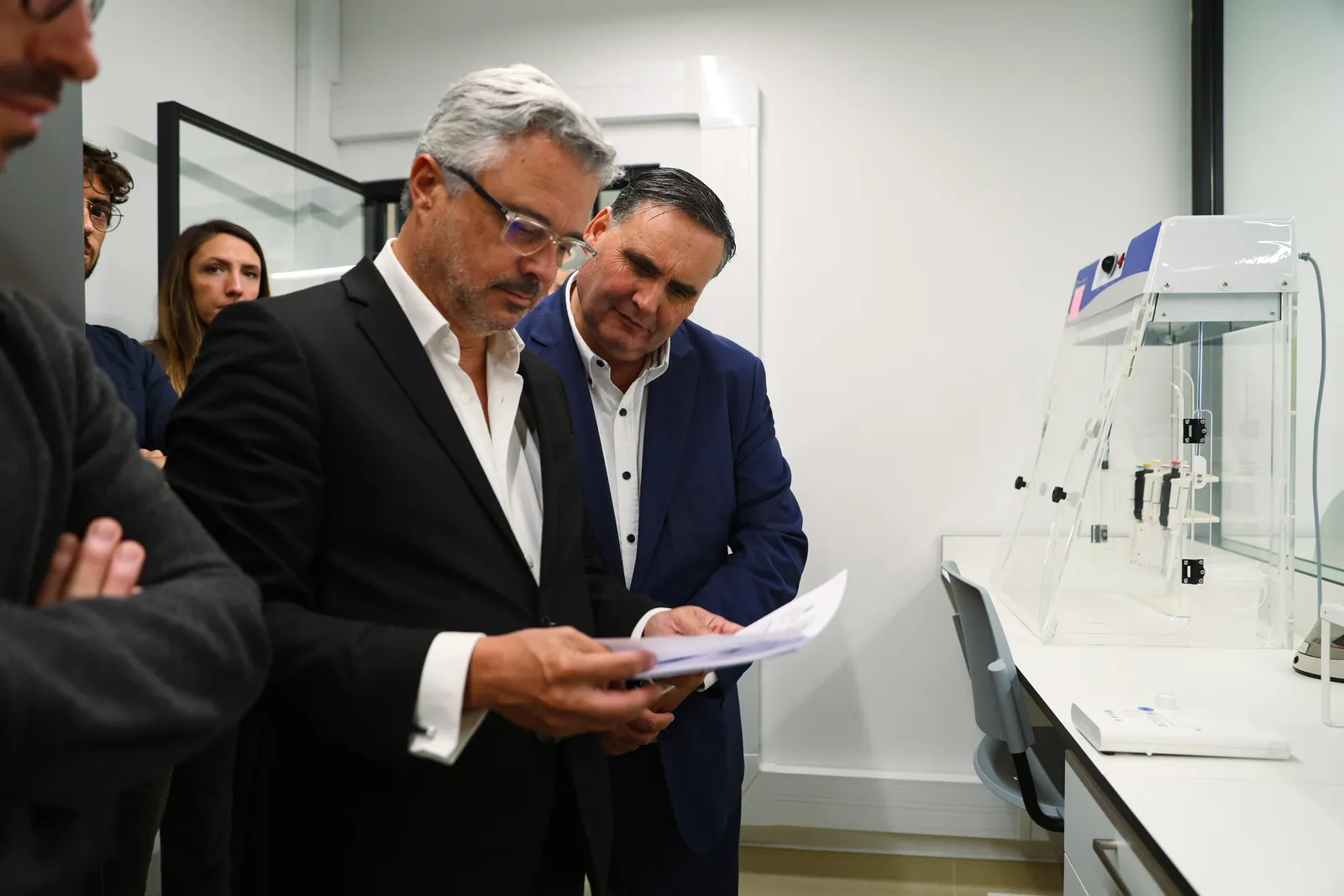
Participants included the Secretary of State for the Environment, João Manuel Esteves, the Vice-president of the CCRLVT, the two vice-presidents of the Metropolitan Council, the first secretary and secretaries of the Executive Commission of AML, representatives from the administrative boards of AmarSul, ValorSul, and TratoLixo, and a member of the Portuguese Environment Agency.
João Manuel Esteves, Secretary of State for the Environment, opened the meeting by addressing the status of PAPERSU and biowaste management, stating that “the project justifies its urgent implementation, as we have a strong environmental awareness, but we also suffer from a certain environmental laziness, which limits our procedures.”
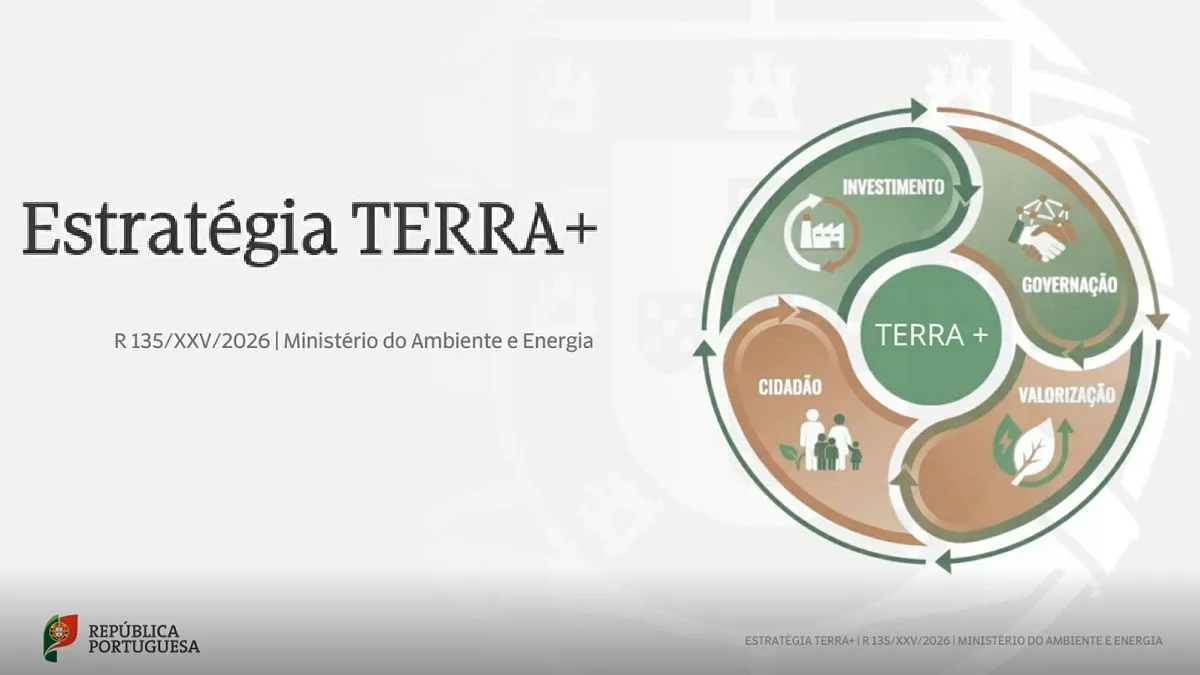
A previous meeting, held in April in Palmela, where the general lines of the national waste strategy – Estratégia Terra + – were presented, was recalled. This strategy aims for a more efficient and proximity-based governance model.
The national biowaste capture rate stands at 15%, far from the 60% target for 2030. Only 22 Portuguese municipalities met their annual PAPERSU target, benefiting from a TGR discount. Within the AML, four municipalities achieved this objective.
The biowaste management acceleration program defined targets for prevention and circular economy, including measures for food waste reduction, national and local awareness campaigns, financial and technical support for municipal projects, and capacity building for municipal services.
The next steps for Estratégia Terra + include a PAPERSU diagnosis, designation of responsible individuals, identification of best practices, preparation with local partners, mobilization of funding, on-site implementation, and public dissemination of results.
Cascais Ambiente presented its successful biowaste management strategy for the municipality.
Fernando Paulo Ferreira, vice-president of the Lisbon Metropolitan Council, stated that the AML is prepared to work with the Ministry of the Environment and emphasized the need for public awareness on recycling, suggesting the creation of a metropolitan waste management company.
Ana Teresa Vicente, vice-president of the Lisbon Metropolitan Council, highlighted the urgent need to find a solution for waste disposal and requested the government's attention to the diverse needs of each AML municipality.