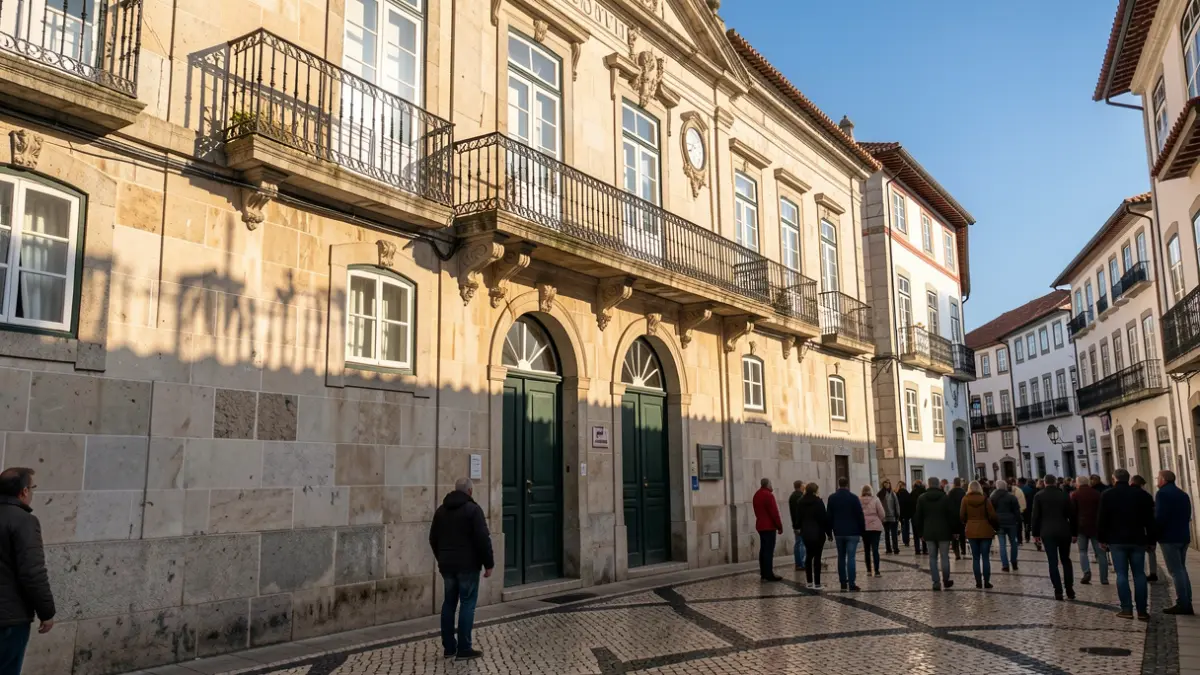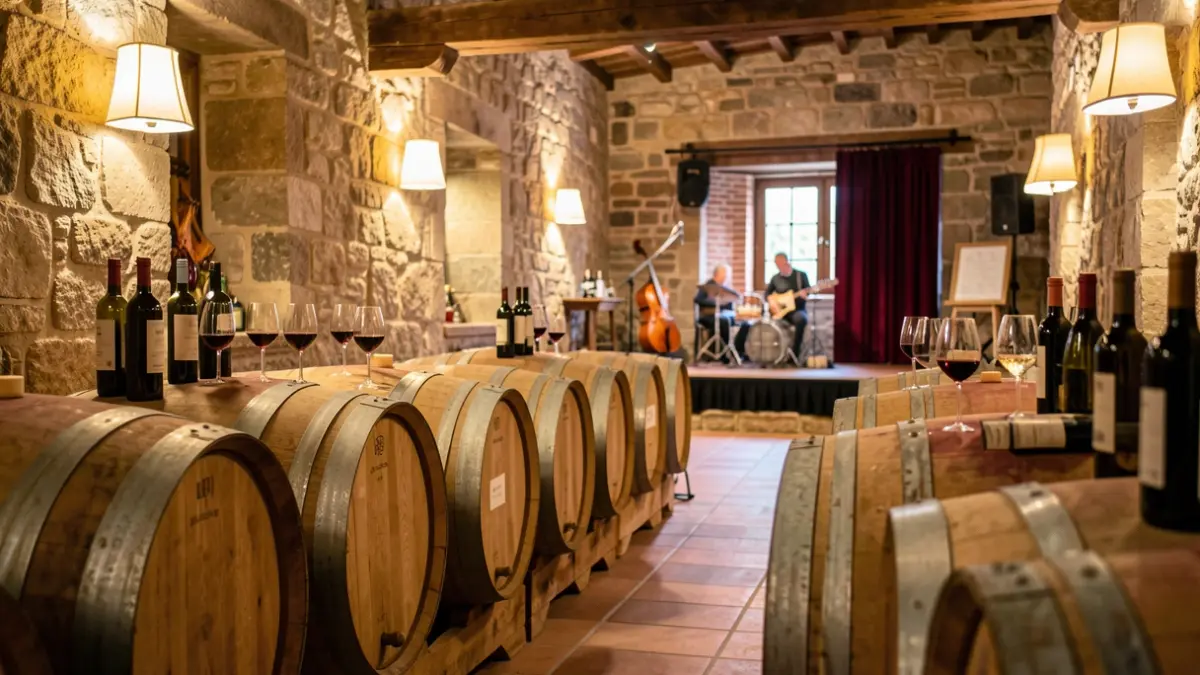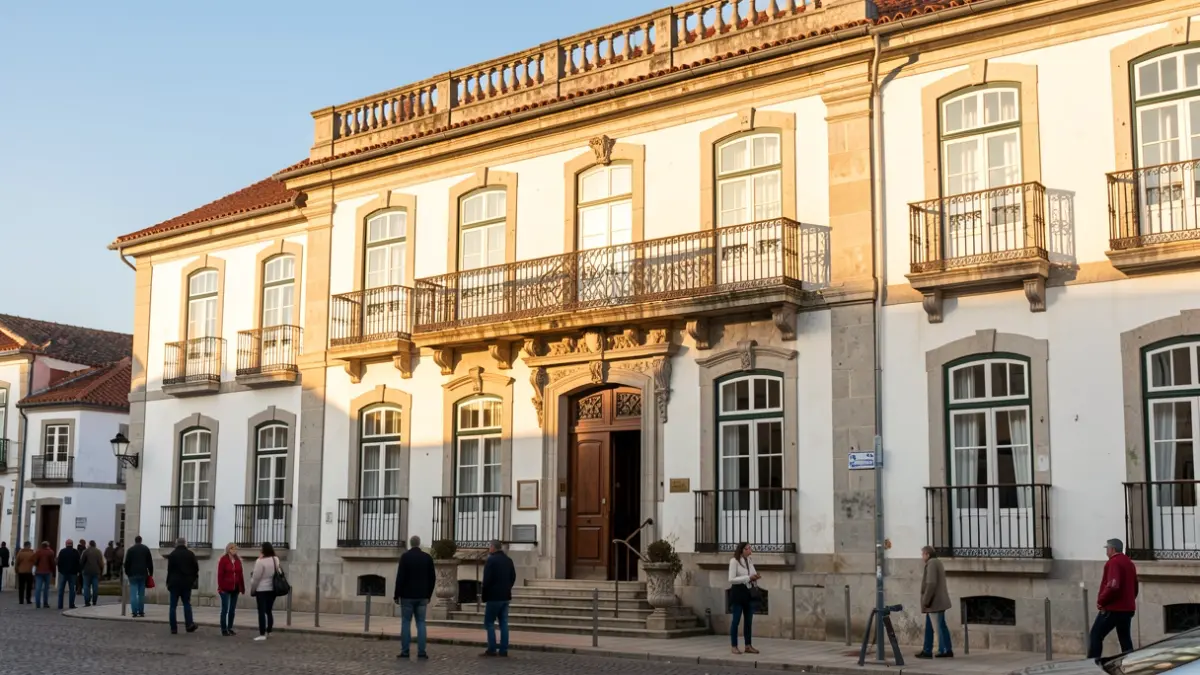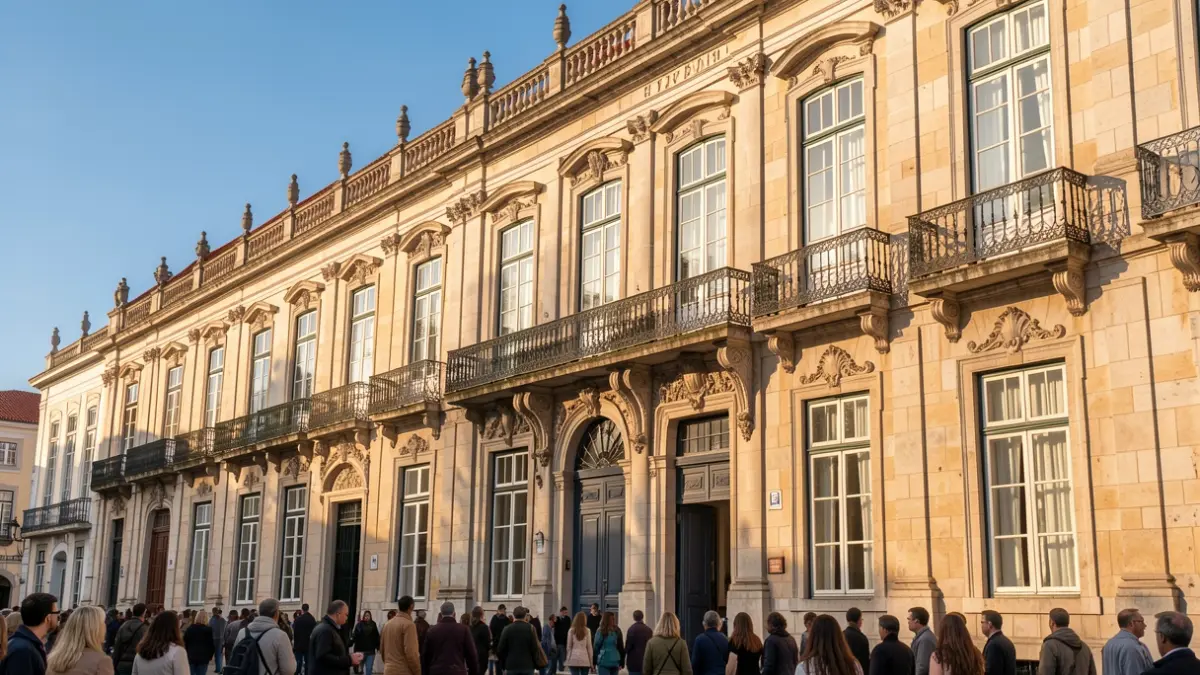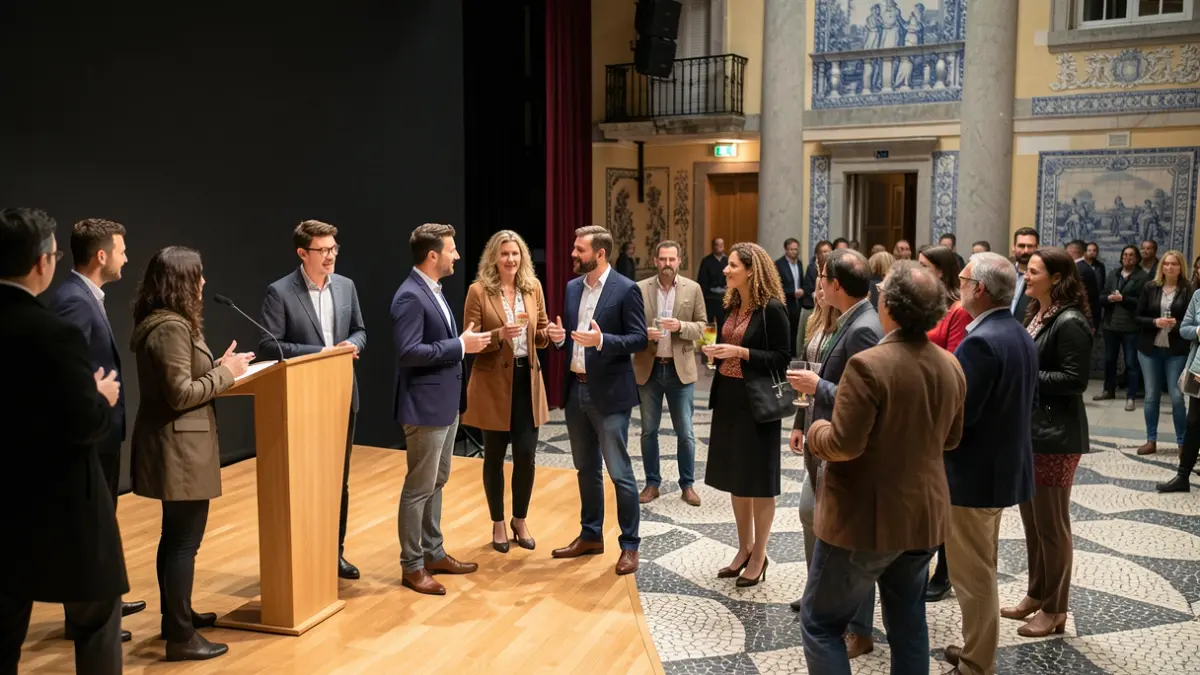
The opening session was attended by the Secretary of State for Culture, Alberto Santos, the vice-president of the Leiria Municipal Chamber and councilor for Culture and Education, Anabela Graça, the commissioner of the National Arts Plan, Paulo Pires do Vale, and the deputy commissioner, Sara Brighenti.
Anabela Graça thanked Leiria for being chosen to host the meeting, highlighting the work done in building new relationships between education, culture, and territories. "In Leiria, we have sought to translate this vision into ongoing projects, based on a conviction: education and culture are inseparable dimensions in human development," she stated. The councilor emphasized the involvement of all schools in the municipality in the National Arts Plan and the National Film Plan, as well as weekly music and dance activities for children in public kindergartens.
The councilor stressed the role of cultural and artistic mediators as "fundamental agents in bringing culture closer to people." "The mediator is a fundamental link. They gather audiences and decode what seems inaccessible, so that critical insight and the pleasure of art are for everyone," she highlighted. Anabela Graça reaffirmed the importance of building a territory where culture is a right for all, allowing not only enjoyment but also participation in its creation.
The Secretary of State for Culture, Alberto Santos, highlighted the work of the National Arts Plan team as an example of network collaboration. "Establishing a network requires special care: to give it form without taking away its freedom," he stated, expressing confidence in the balance participants would find. He recalled the idea of "caring for the common," associating it with the mediators' work in bringing people closer to arts and heritage, and in creating spaces for participation and belonging.
Alberto Santos considered that the M Network could provide greater public recognition for the work of mediators, assuring the Government's commitment to supporting this path. The M Network aims to value and increase the visibility of professionals, strengthen their recognition, and promote their participation in cultural policies.
The creation of the network stems from a consultation process initiated with a national survey on the practices, working conditions, needs, and expectations of professionals. This was followed by a first meeting in April, with 572 participants, which identified five priority areas: training, visibility, recognition and strategic integration, professional practice conditions, and the assertion of a collective voice in cultural policies.
The day's program includes sessions on the survey results, the future of cultural and artistic mediation, and possible formal structuring models for the M Network. In the afternoon, participants will join working groups on network organization, communication, institutional recognition, and continuous training. The proposals should define the next steps for the M Network, integrated into the Strategic Action Plan of the National Arts Plan 2024–2029.