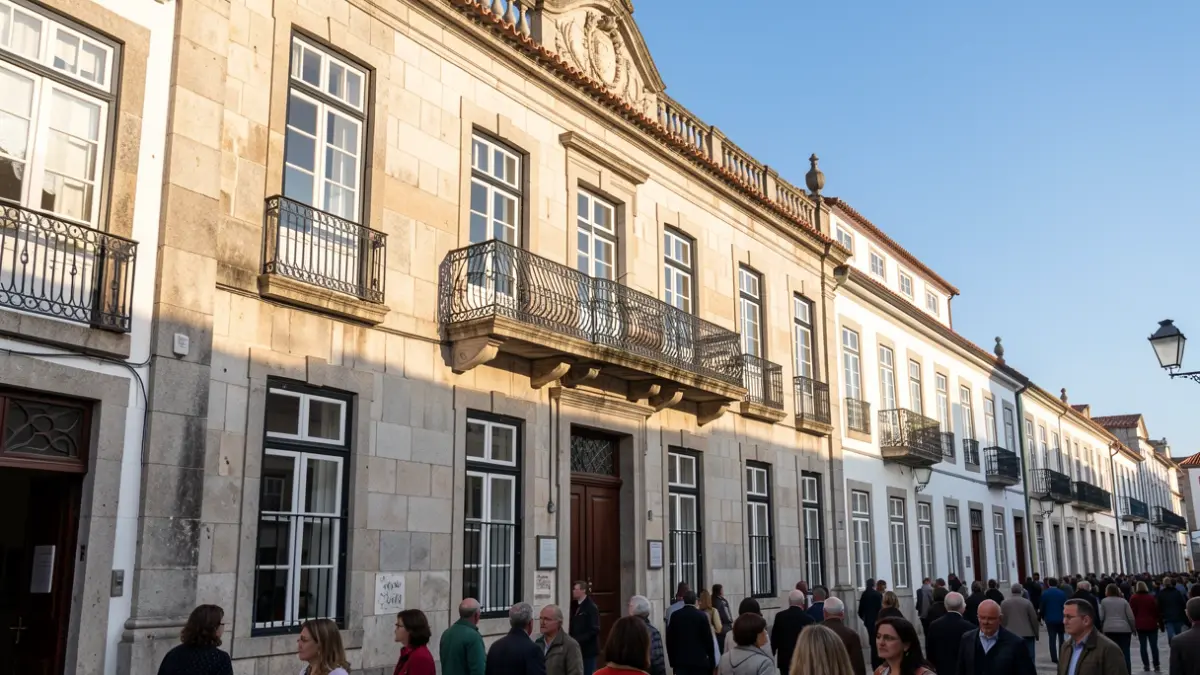
The Polytechnic University of Coimbra (UPCoimbra), through the Casa do Bispo, recently hosted approximately 20 international participants from the FISSH project. The session aimed to present INOPOL and its initiatives for innovation and knowledge transfer within the agri-food sector.
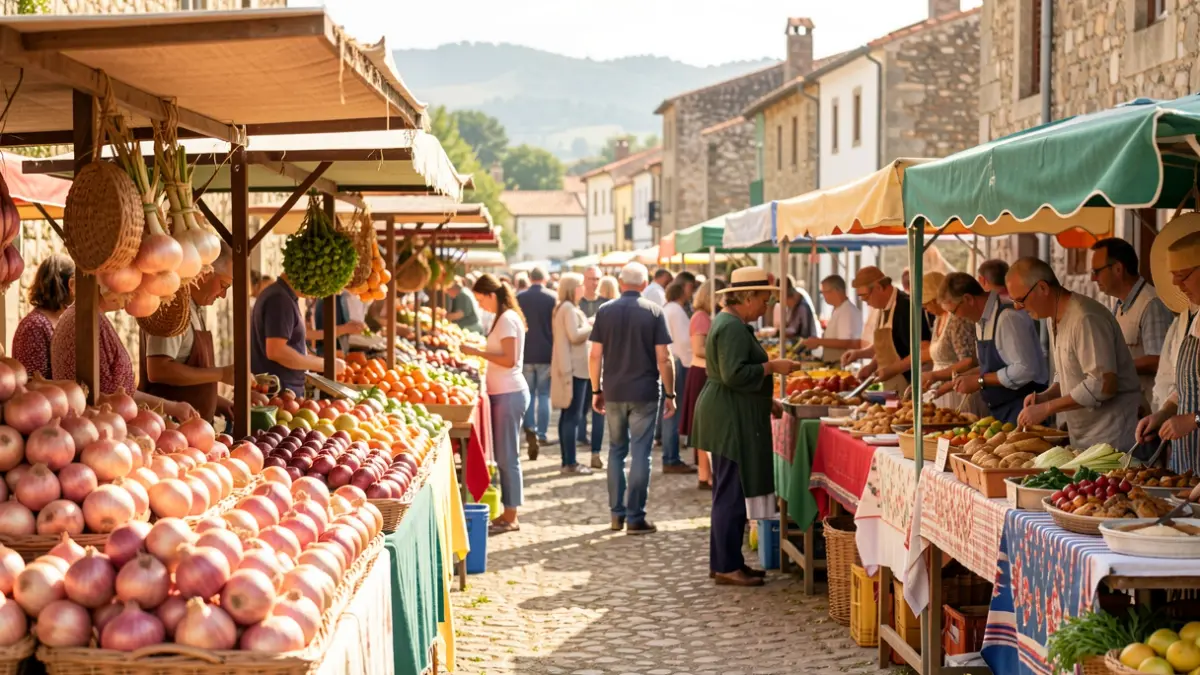
This visit was part of the FISSH project's interregional learning event, organized by CIM Região de Coimbra, a project partner. The event, held on September 23rd and 24th, brought together project partners and stakeholders from Portugal, Greece, Finland, and Poland. The program aimed to showcase best practices developed in the Coimbra Region and promote the exchange of experiences regarding the transition of the food sector towards more sustainable production models.
At the Casa do Bispo, the group learned about INOPOL and the work carried out by the hub in promoting innovation, entrepreneurship, and knowledge transfer. The visit also included a tour of the Escola Superior Agrária de Coimbra (ESAC), where participants explored the facilities and applied research projects, as well as their links to the market and business sector.
The FISSH (Food Industry SMEs’ Sustainability Support and Help) project, funded by the Interreg Europe program, brings together five European regions with the objective of improving regional policies to support small and medium-sized enterprises in the food sector, through the sharing of knowledge, experiences, and best practices among territories.
The project focuses on three main areas: sustainable business models; production processes and value chains; and marketing and consumer perception of sustainable food products, considering the environmental, economic, and social dimensions.