The initiative celebrated the artistic and cultural legacy of Monsenhor Nunes Pereira and his connection to Coja and the region. At the opening session, the vice-president of the Arganil Municipal Council, Paula Dinis, emphasized the importance of preserving and promoting the honoree's work. "More than his work, memories and shared stories, small or large, help us understand our history and cultural heritage," stated Paula Dinis, recalling Monsenhor Nunes Pereira's role in the local community.
Monsenhor Nunes Pereira, a priest, artist, and researcher, maintained a special connection with Coja, where he served as a parish priest between 1935 and 1952. His diverse work reflected an interest in traditions, local identity, and the preservation of memory and heritage.
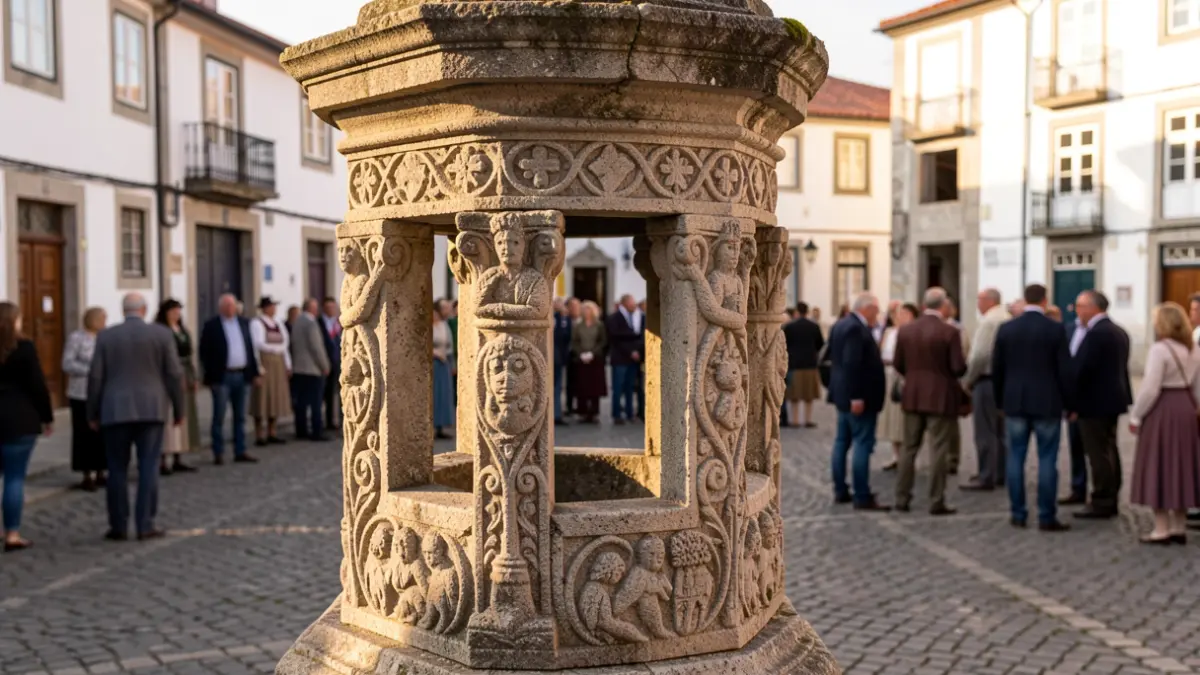
The book 'Pelourinhos: Símbolos de Poder – Desenhos de Nunes Pereira' was presented by the researcher and writer from Coja, Nuno Mata, highlighting drawings dedicated to these important elements of Portuguese heritage. The presentation included historical context from researcher and retired professor Regina Anacleto and a sociological perspective from retired professor Boaventura de Sousa Santos on pillories as symbols of power.
In the book, Regina Anacleto stressed the importance of pillories for collective memory, considering them "often the only link connecting the present with the past" in villages, and advocated for their preservation to "understand the past to know the present and to envision the future".
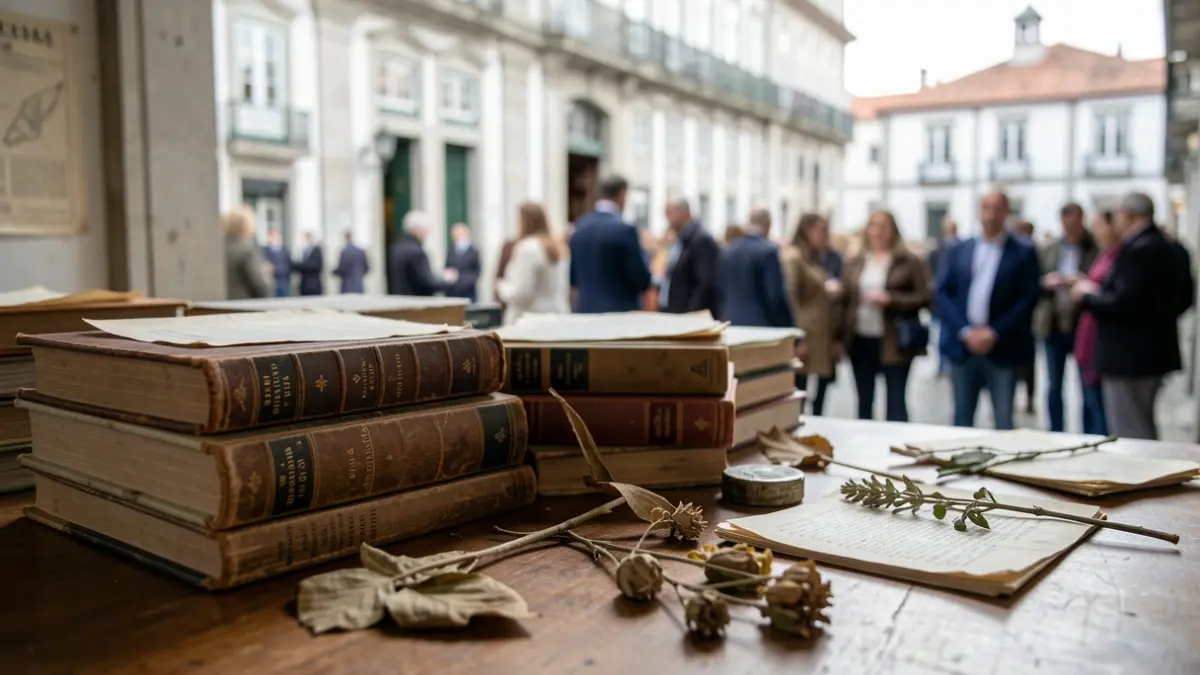
The program also included the exhibition 'Nunes Pereira – A arte de olhar. A palavra de recordar' (Nunes Pereira – The art of looking. The word of remembering), the screening of the documentary 'Monsenhor Nunes Pereira – O que ele viu… por quem ouviu' (Monsenhor Nunes Pereira – What he saw… by those who heard), featuring testimonials from people who knew him closely, and a dramatization of an excerpt from the revue 'Ó Côja do Rio Alva' by the group Gorgulhos / Teatro na Serra.
The event was organized by the Seminário Maior de Coimbra and the Museu Nacional de Machado de Castro, in partnership with the Municipalities of Arganil, Cantanhede, Coimbra, Góis, Lousã, Montemor-o-Velho, and Pampilhosa da Serra, among other entities.