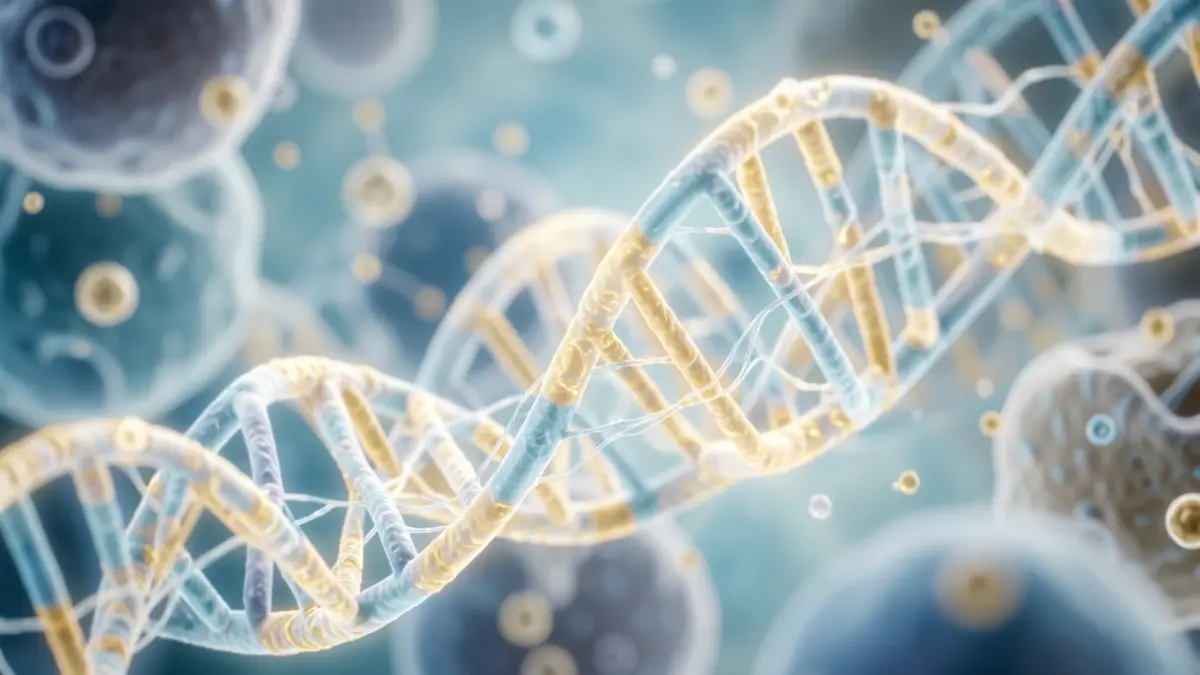
The publication UAciência, from the University of the Azores, marks in its October 18, 2026 edition, two decades of one of the most significant discoveries in modern biology: the creation of induced pluripotent stem cells (iPSCs). The article, authored by Sofia Calado, Assistant Professor at the Faculty of Sciences and Technology of the University of the Azores and researcher at the Algarve Biomedical Center Research Institute (ABC-Ri), explores the impact of this discovery.
Cellular reprogramming has revolutionized biomedical research, opening new avenues for the study of diseases, the development of innovative therapies, and regenerative medicine. The publication details how this technology has transformed the scientific landscape.
UAciência is a bi-weekly publication integrated into the magazine Açores Magazine of the newspaper Açoriano Oriental. It is coordinated by Armindo Rodrigues, Full Professor at the Faculty of Sciences and Technology of the University of the Azores.
For the full article and more information on this discovery and its impact on current science, the document is available here.