In Guimarães, where it is estimated that nine out of ten kilograms of textile waste end up mixed with general waste, Hélder Gonçalves, a former Computer Engineering student, and Flávio Fernandes, a current student in the same course, created Novelo. This technological platform designs selective textile collection networks based on available resources, responding to a challenge launched by Vitrus Ambiente as part of Guimarães's Economy Month 2026.
The collaboration between Hélder (26) and Flávio (24), both originally from Barcelos, began before the competition. Flávio recommended UNIPVC to Hélder, who had already completed his degree at the School of Technology and Management (ESTG-UNIPVC) in 2021. Together, they participated in Hack4Guimarães 2035, focusing on the problem of collecting clothing and other textile waste to prevent waste.
The challenge stemmed from a concrete reality: in 2025, Guimarães produced approximately 51,000 tons of unsorted waste, with about 3,000 tons of textile materials going to landfill, while only 301 tons were collected separately. The Novelo solution aims to recover these materials, which is particularly relevant in a region with a significant textile industry.
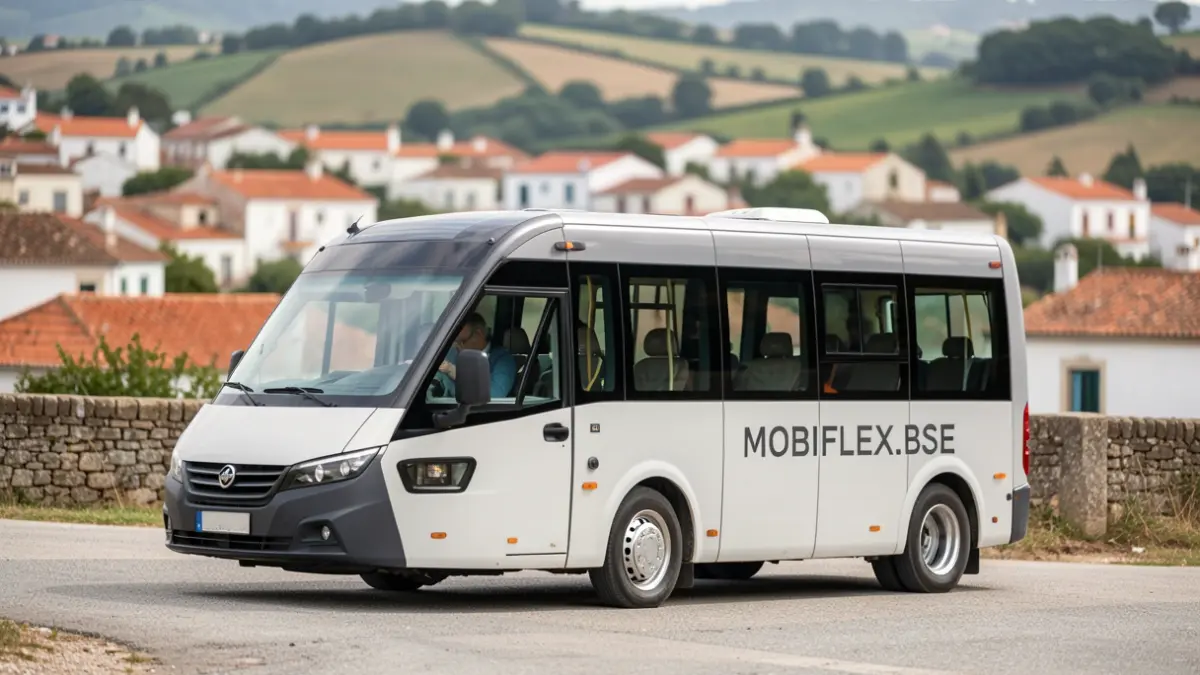
The proposal is not to create new bins, but to optimize existing resources. Novelo suggests a dedicated vehicle for textile collection, with door-to-door bag delivery or stops at locations already used by other vehicles. Schools and parish councils can serve as collection points. The platform allows for scenario simulations based on available investment and waste recovery goals.
In one of the simulated scenarios for Guimarães, with an annual budget of 60,000 euros, the system estimates diverting 446 tons of textile waste from landfill, of which 265 tons would have reuse potential, generating approximately 47,000 euros in avoided treatment costs. The authors note that these are projected figures and depend on on-site validation.
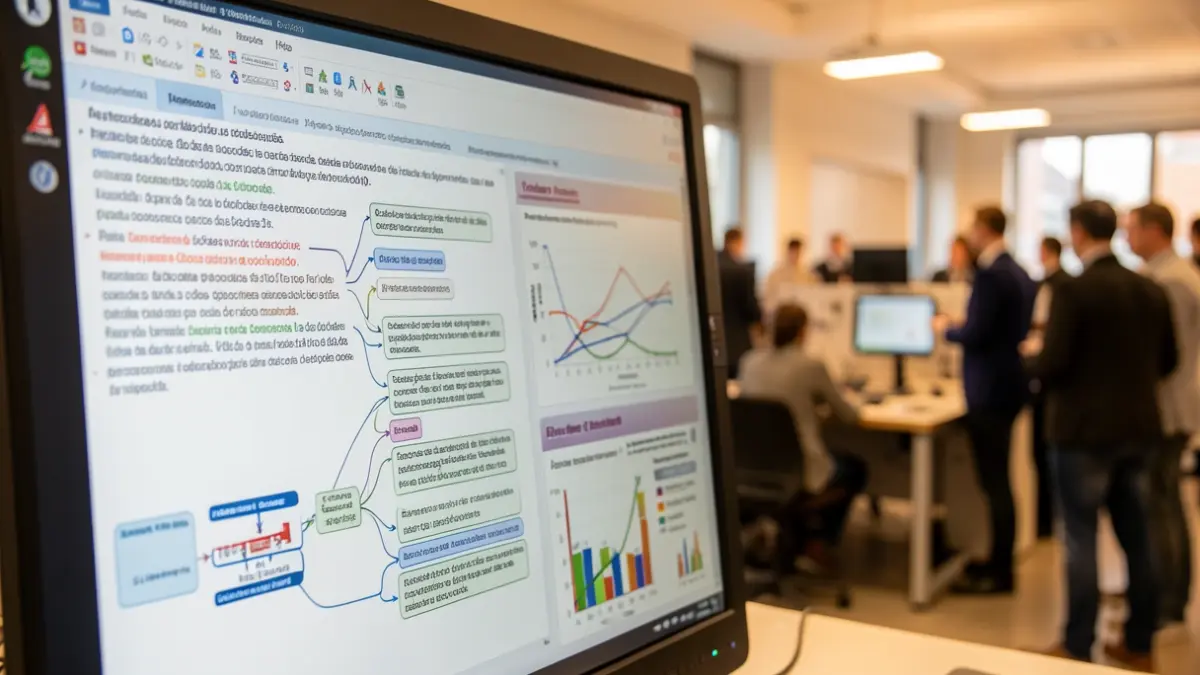
Behind the platform lies a combination of artificial intelligence and optimization algorithms, allowing users to ask questions in Portuguese and explore alternatives. Novelo also includes features for material identification, sorting, and traceability via QR codes.
The victory in Hack4Guimarães 2035 awarded the pair 7,500 euros, plus 1,000 euros from the TexVitrus challenge. Flávio highlights the importance of UNIPVC's practical training for applying knowledge to real-world problems. Hélder, a technology consultant, sees the project as an opportunity to apply AI skills to waste management.
The pair believes Novelo can be adapted to other municipalities. The next step is to conduct a pilot project in two parishes of Guimarães to test collection under real conditions. Hélder plans to use part of the prize money to acquire high-performance equipment for AI processing, enhancing data protection.