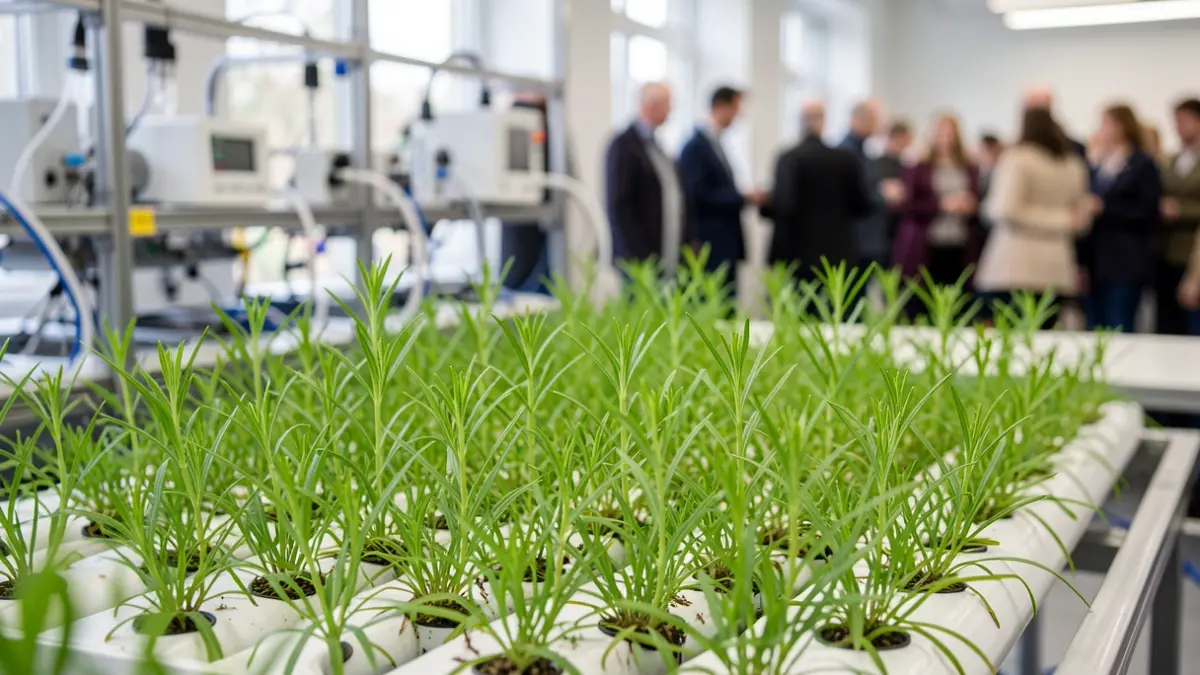
The project, involving the University of the Algarve (UAlg) and the company Agro-On, explores various scientific fields to introduce plants with high gastronomic potential into soilless cultivation systems. The focus species include a new variety of salicornia (Salicornia bigelovii), sea purslane (Atriplex portulacoides), and sea starwort (Tripolium pannonicum).
XtremeGourmet 2.0 continues the work initiated from 2016-2020, which studied other halophytes like salicornia (Salicornia ramosissima), common ice plant (Mesembryanthemum nodiflorum), crystalline ice plant (Mesembryanthemum crystallinum), and Sea Fingers (Disphyma crassifolium). The new project investigates the impact of partial sodium substitution with magnesium on these species.
The main objective is to develop healthier and more sustainable products, strengthening the position of Portuguese halophytes in national and international markets, aligned with healthy eating, sustainability, and quality standards.
In addition to the teams from FFUP, UAlg, and Agro-On, the project includes the participation of chef Leonel Pereira and a team of 11 other chefs and a bartender.