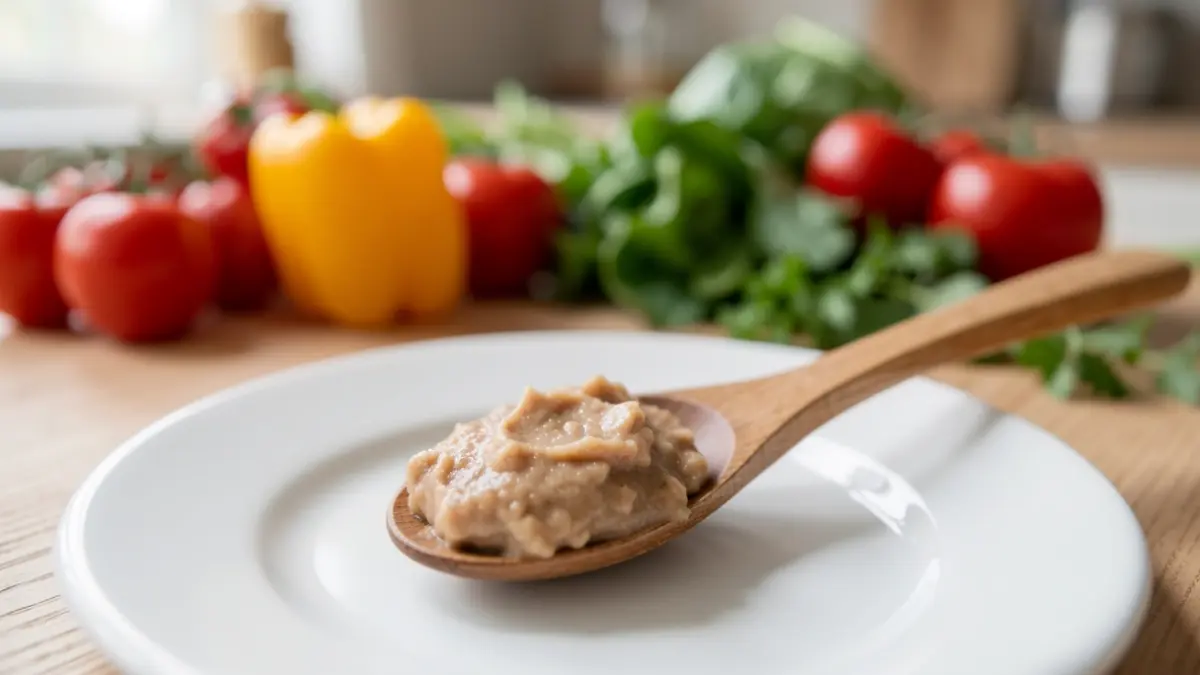
The specialist nurse in Family Health Nursing explained that food introduction should occur between 4 and 12 months, following the Food Wheel as a guide. The process starts with creamy textures and advances to mashed or crushed purees, until the baby is ready for more solid foods. From 7 months, the "second plate" should be introduced.
In daily life, olive oil is the fat of choice, to be added at the end of cooking. Fresh seasonal fruit can be introduced from 6 months, and vegetables, initially in soup, then become part of two daily meals. Water is the most recommended drink. The nurse also warned against foods that should be avoided: processed products, salt, sugar, honey, fruit juices, cow's milk, and plant-based drinks.
A central point of the training was the introduction of allergenic foods, including gluten-containing cereals, fish, egg, cow's milk, crustaceans, soy, peanuts, and tree nuts. Parents were instructed to introduce one new food at a time, waiting a few days before presenting the next one. Warning signs include skin reactions (swelling, hives), respiratory symptoms (cough, wheezing), and gastrointestinal symptoms (vomiting).
The topic of choking was also addressed. The nurse recommended the finger-squishing test: if the food cannot be squished between fingers, it is not ready for the baby. Foods with tight skin (cherry tomatoes, grapes), hard and round foods (popcorn, nuts), projectile foods (blueberries, peas), and sticky foods (nut butters) should be avoided. The training concluded with the gradual integration of the child into the family meal.