The initiative kicks off on November 25, the International Day for the Elimination of Violence against Women, also marking the start of the 16 Days of Activism against Gender Violence, concluding on December 10, Human Rights Day. Catarina Miranda, Councilor for Culture of the Municipality of Braga, highlighted the date's significance: “This date reminds us that violence against women continues to take different forms and cross different societies. Its prevention is a collective responsibility, requiring institutional responses, public policies, and continuous awareness and education work. Culture does not replace these responses. But it can contribute to making experiences visible, questioning representations, and opening spaces for reflection and debate”.
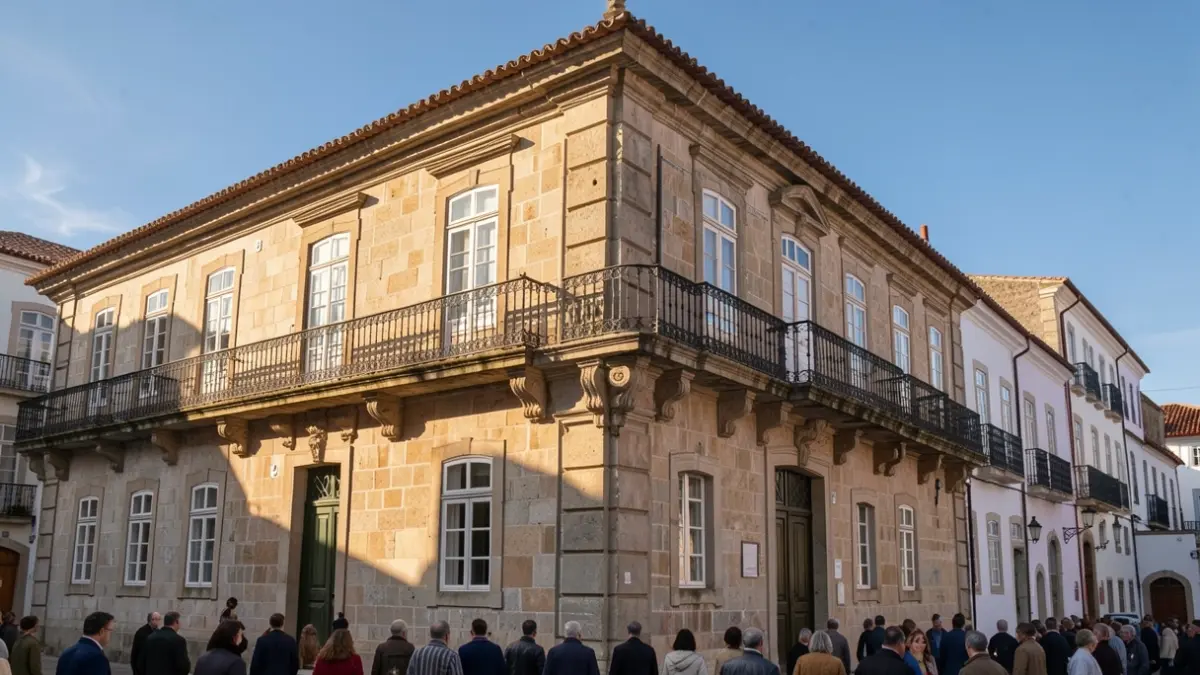
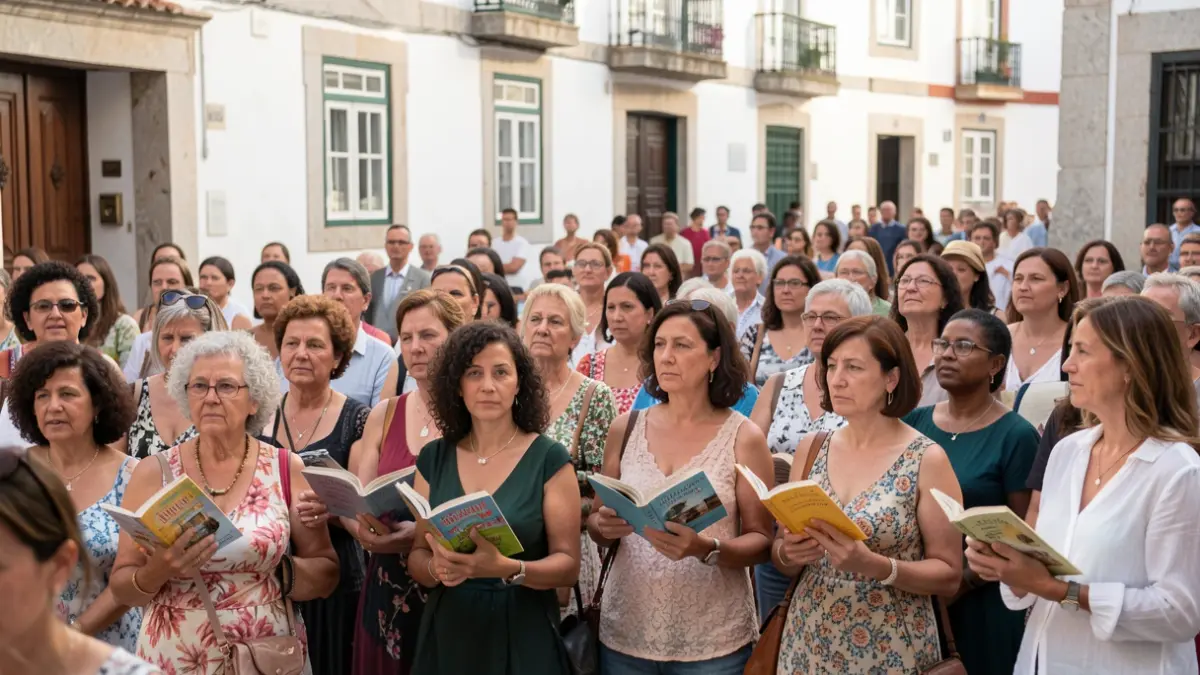
On the 25th, the Casa dos Crivos hosts a shared reading session and conversation based on Maya Angelou's Sei Porque Canta o Pássaro na Gaiola, focusing on reflections on violence, discrimination, identity, and the pursuit of autonomy. On the same day, gnration presents Quando a liberdade se faz ouvir, a discussion on the situation of women in Afghanistan and the role of education and culture, featuring Mariana Quesada Bernardo (ANIMP) and Tatiana Mendes (UMAR), moderated by Jacinta Sampaio.
November 26 features the documentary Donna: Mulheres em Revolta by Yvonne Scholten at the Casa dos Crivos, as part of Braga/Post/Doc, which revisits women's struggles in Italy. That same evening, the Theatro Circo will host the performance Ouvi Cantar, launching the new album by Braga Fora – Coro Comunitário de Mulheres, with guest artists Capicua, Gisela João, Celina da Piedade, and Catarina Carvalho Gomes. Ticket proceeds will go to APAV.
The photographic exhibition Alba, by Mário Ferreira and curated by Nico Guedes, will open on November 28 at the Museu da Imagem. The exhibition explores domestic violence and the social roles assigned to men and women, drawing from the fictional universe of the film O meu nome é Alba.
Councilor Catarina Miranda further added, “Women's rights are not exhausted by their formal recognition. They are also measured by the freedom to exercise them and by how society and institutions respect that exercise, even when it challenges the established order.”