On October 14th, residents of the Social Support Center (CAS) of Runa had the opportunity to explore part of the historical heritage of the Runa Palace. The initiative, led by the Director of CAS Runa, Colonel José Costa Leandro, aimed to provide a journey into the past and reveal lesser-known aspects of the center's history.
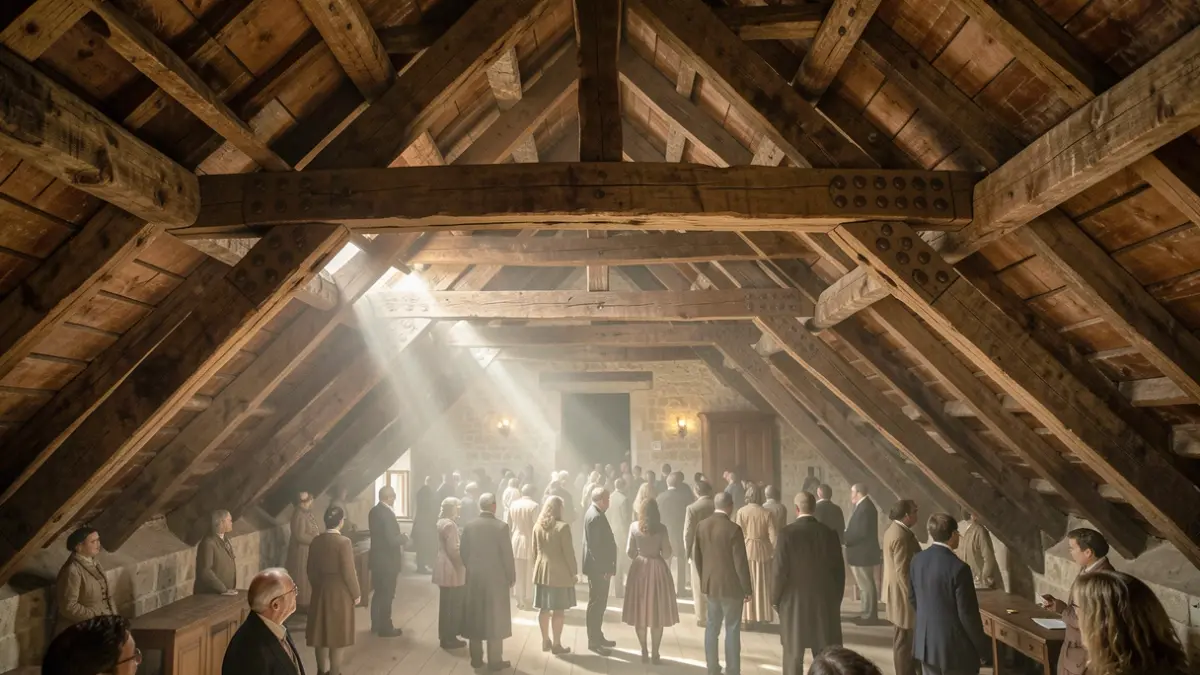
During the visit to the building's attic, residents observed the original wooden beams and carved nails, elements that reflect the palace's heritage richness and are vestiges of the history of a building that marks its 200th anniversary of inauguration next year.
This initiative allowed participants a closer contact with the institution's historical heritage, contributing to the appreciation of its memory and the understanding of architectural characteristics that have spanned generations.
The visit constituted a moment of discovery and sharing, reinforcing residents' connection to the history and identity of CAS Runa and IASFA. The Royal Hospital for Military Invalids, where CAS Runa is now located, was conceived by Princess Maria Francisca Benedita and inaugurated in July 1827.