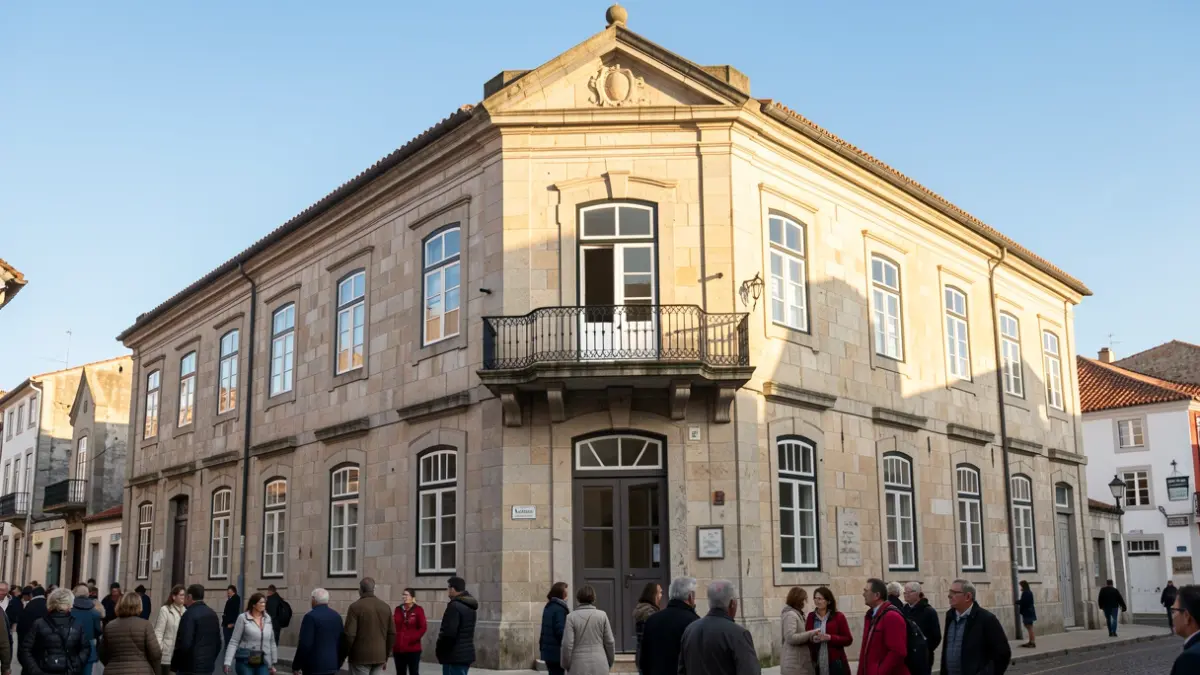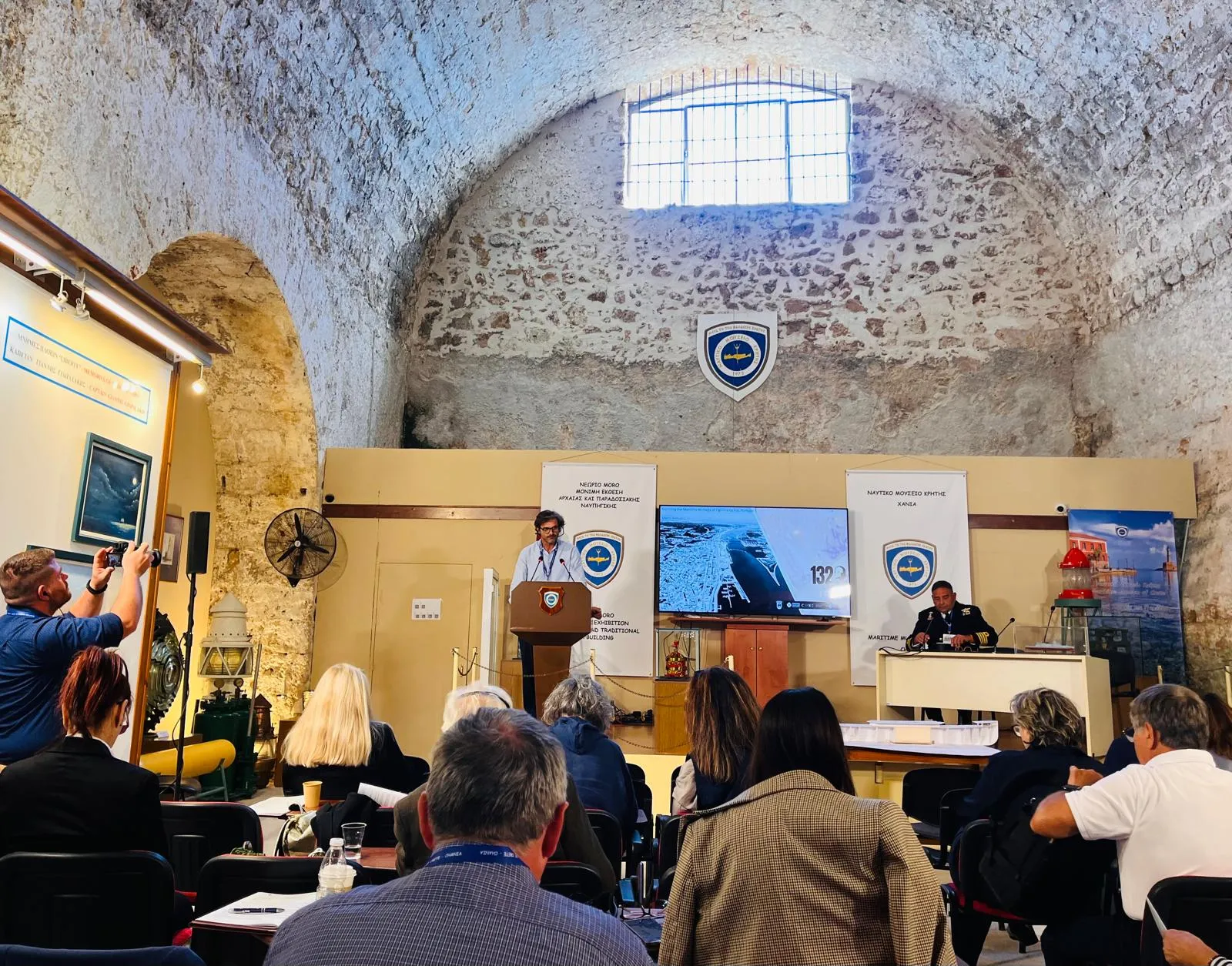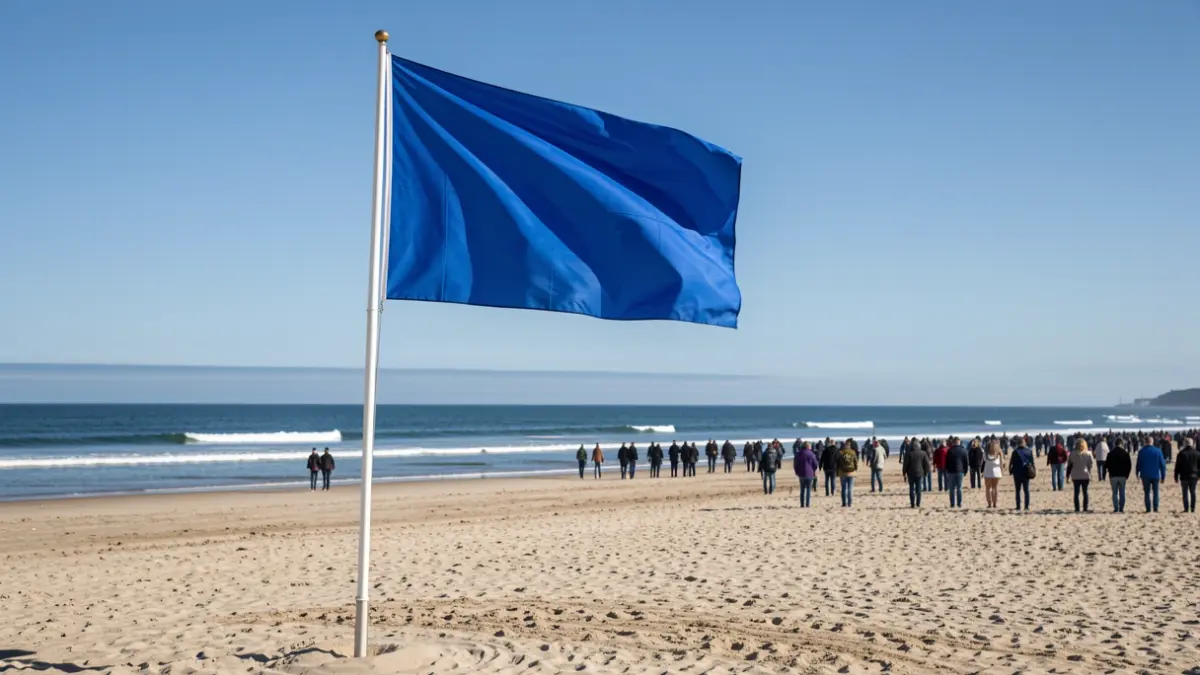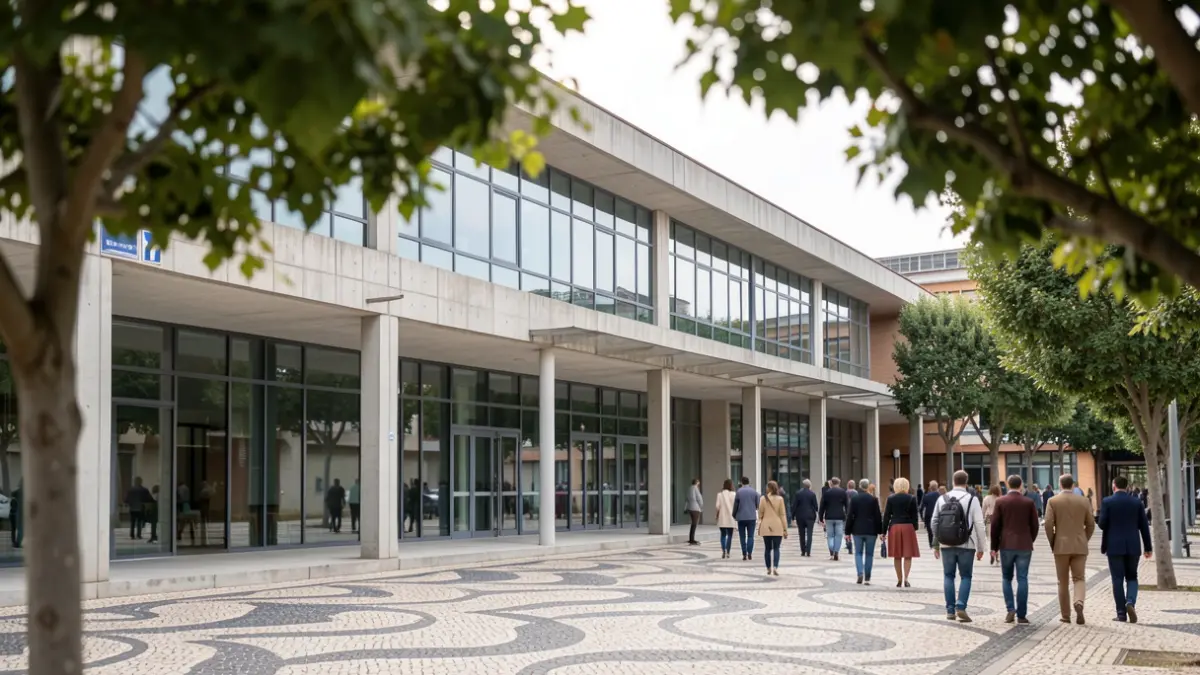
Blue cards raised marked the end of the General Assembly of CESAER (Conference of European Schools for Advanced Engineering Education and Research), held from October 21st to 23rd at the Técnico Innovation Center in Lisbon. The event, hosted by the Instituto Superior Técnico (University of Lisbon), featured workshops, social visits, conferences, and debates on the future of European universities and Europe's role in developing critical technologies.
On the first day, Rogério Colaço, president of Técnico, welcomed CESAER members, highlighting the challenges facing academia in a context of changes in education and research. Zita Martins, Vice-President for International Affairs at Técnico, and Peter Ertl, Vice-Rector of TU Wien, opened the first workshop on the role of higher education institutions in the European space ecosystem.
Cecília Rodrigues, Vice-Rector of the Universidade de Lisboa, spoke at the second workshop, emphasizing the importance of cooperation between universities and arguing that "investing in universities is a strategic choice for Europe," warning about the need for alignment between education, research, and innovation.
The conference "Critical Technologies for European Readiness, Competitiveness and Sovereignty" featured an intervention by Rogério Colaço, who stressed the role of universities in strengthening European technological autonomy. Carlos Moedas, president of the Lisbon Municipal Council, sent a video message, highlighting the importance of bringing science closer to the market and safeguarding European sovereignty and competitiveness.
The session "Europe’s Strategic Direction in Critical Technologies" included video interventions from António Costa, President of the European Council, and Helena Canhão, Secretary of State for Science and Innovation. António Costa identified investment in scientific excellence and the transformation of research into industrial capacity as priorities, stating that "technology is no longer just a driver of growth, it is a pillar of power, resilience, and autonomy."
Helena Canhão highlighted the role of science and technology universities, arguing that "strategic priorities must go hand in hand with scientific freedom." At the close of the second day, Orla Feely, president of CESAER, reflected on the need to pool efforts to achieve better results in European technological leadership.
The final day was marked by the CESAER General Assembly, with the presence of Maria Leptin, president of the European Research Council (ERC), who called for continued European investment in scientific research and against proposed cuts. Zita Martins reinforced the need for a humanist model in education and science, highlighting the diversity of leaders at the event as a demonstration of "Técnico's importance."