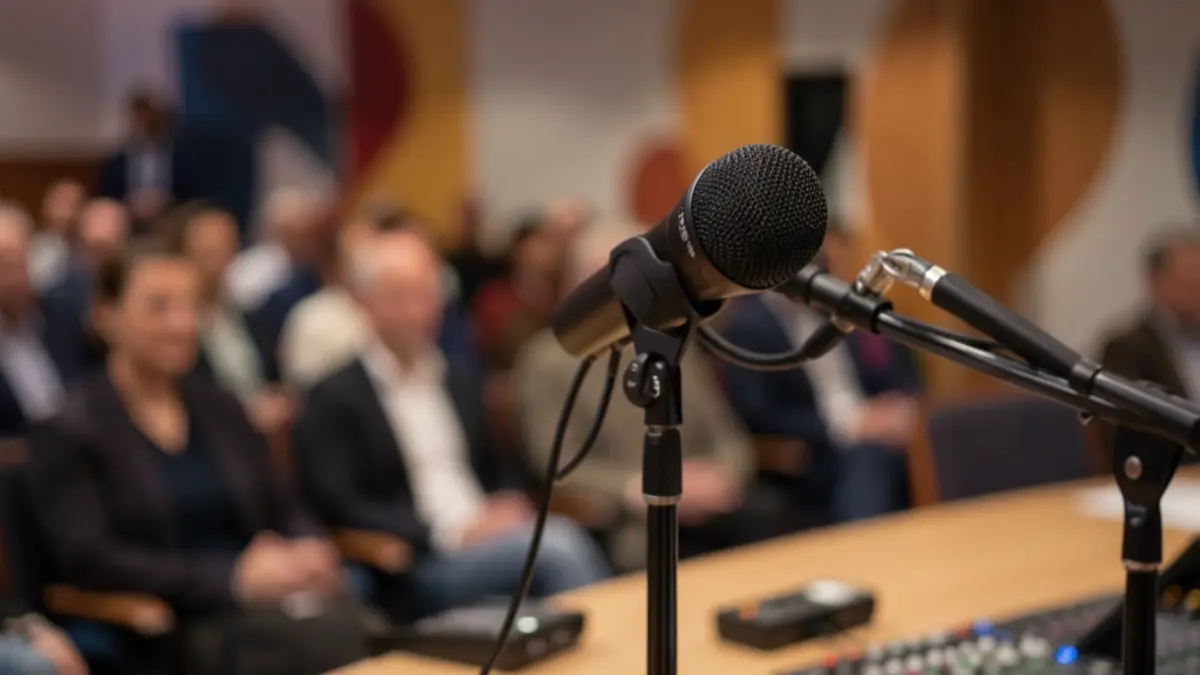
Conceptualized and hosted by Francisco Dias, a former user of the Nossa Senhora dos Anjos Rehabilitation Center, the podcast is part of the Transformar para Incluir (Transform to Include) project and aims to address disability without formalism, prejudice, pity, or heroism.
The goal is to promote more natural and close communication, placing people and their experiences at the center of the conversation. Francisco Dias explains that the idea is to “completely deconstruct the way inclusion and disability are discussed, revolutionizing a bit how communication looks at people with disabilities,” defining the podcast's concept with the keywords: “lightness, lack of complexity, and relaxation”.
Humor plays a central role as a strategy to convey important messages, such as normalizing that people with disabilities can work, study, and socialize autonomously and independently.
The project has a personal connection to its mentor, who was a user of Santa Casa's Nossa Senhora dos Anjos Rehabilitation Center from December 2023 to June 2024. This experience inspired the approach to communicating about disability and inclusion.
The first episode, featuring Fernando Alvim, is now available on the institution's YouTube channel and marks the beginning of conversations that cross different experiences and perspectives, always starting with informality.
Through the podcast, Santa Casa reinforces the objectives of the Transformar para Incluir project, seeking to promote a more inclusive institution through awareness, training, and the transformation of practices and attitudes.