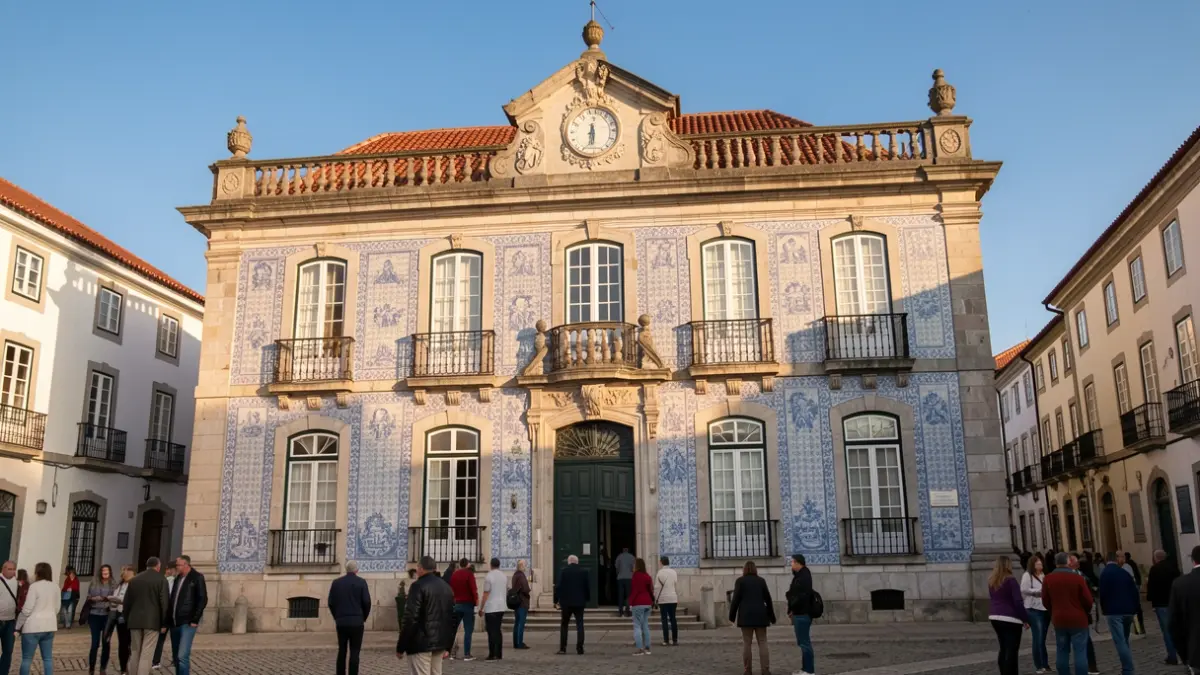
Between July and September 2026, the Municipality of Azambuja implemented extensive interventions with its population, focusing on social action, education, health, employment, and community projects. The initiative prioritized proximity and family support, aiming to improve quality of life and promote social inclusion.
In social action, 30 family units were supported through the Meal Card and 55 Pharmacy Vouchers were issued. The socio-educational team managed 598 family cases, conducting 85 in-person consultations, 48 home visits, and 570 phone contacts and institutional liaisons. Support also extended to migrant families, the Local Volunteer Bank, and participation in the municipal Social Network.
In education, preparation for the 2026/2027 academic year was a key focus. The municipality distributed approximately 1,890 school kits and provided free activity books for 1st-cycle students and beneficiaries of the 2nd-cycle Escalão A, with an investment of €83,935.00. Protocols were also established with school groups, transferring over €205,000 for operational support and material acquisition.
School catering provided 27,197 meals and 10,181 food supplements. School transport services assisted 213 students in the municipal network and 31 students with special needs, also covering transport for study trips and national exams.
In health, the White Coat Project conducted 639 medical and nursing consultations (377 hours of service), enhancing public access to healthcare. Awareness campaigns, mental health initiatives, and preparatory actions for the Emotions Festival were also held, marking World Mental Health Day.
The Professional Insertion Office (GIP) recorded 925 consultations, referred 29 candidates to job openings, and facilitated the employment of eight individuals. Sessions on the rights and duties of the unemployed engaged 77 participants.
Projects such as Azambuja Integra, A.E.I.O.U., and EMIC maintained close support for children, youth, and families. This included 45 psychological support sessions, 16 meetings with parents, and initiatives promoting positive parenting and social inclusion. The 'Brincar Cá Fora' project involved over 80 families, and the BIO Youth Mission engaged five young people in environmental awareness activities.
The University of the Third Age of Azambuja (UTICA) continued its mission of promoting active aging, notably with the UticAventura Week and participation in the Medieval Market. For the 2026/2027 academic year, UTICA registered 149 students enrolled in 35 disciplines.
In summary, the Q3 2026 report highlights the reinforcement of municipal services in social, educational, and health areas, demonstrating the local authority's commitment to close and inclusive intervention.