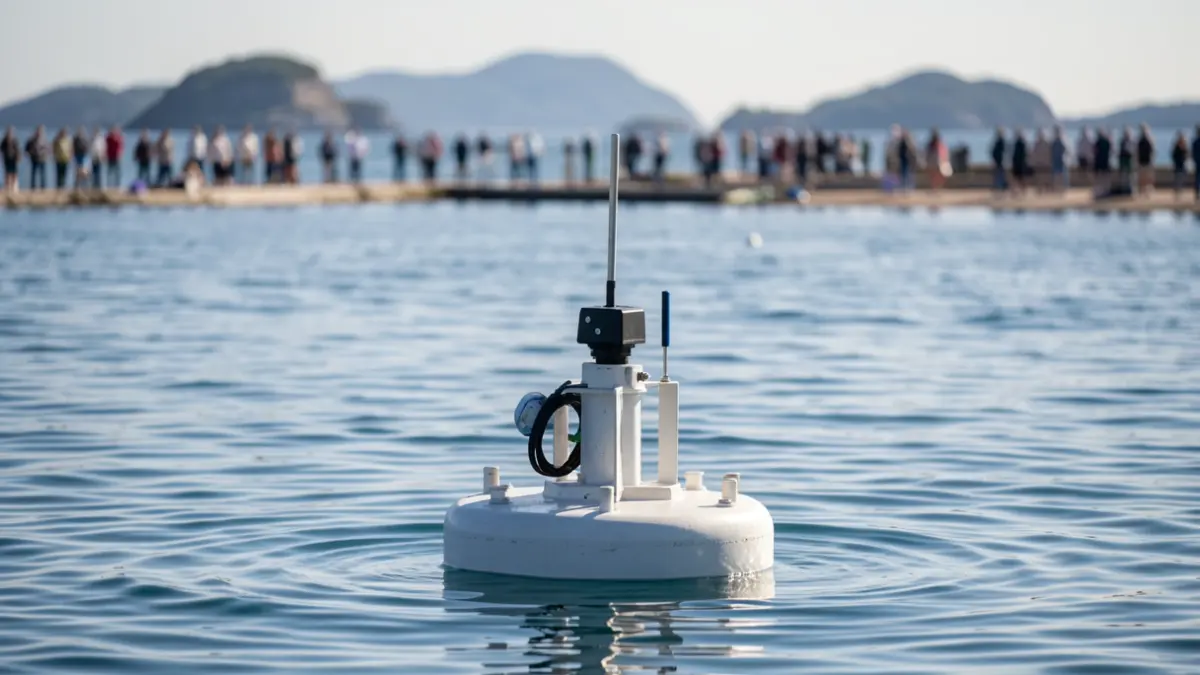
The Center for Marine and Environmental Research (CIMA-ARNET) at the University of Algarve installed this Tuesday, October 20, the SIMONA Environmental Monitoring System at the Faro-Olhão bar, between the Deserta and Culatra islands. The equipment was funded by the EQUIPAR+2 program, within the scope of the Recovery and Resilience Plan (PRR).
The new infrastructure will allow continuous observation of the evolution of this protected lagoon system and the collection of essential information to understand how Ria Formosa is responding to climate change. The buoy will record parameters such as temperature, salinity, pH, and dissolved oxygen in the water. This data will allow for the characterization of circulation and water exchange between the lagoon and the ocean.
The equipment also includes a weather station that records wind intensity and direction, as well as solar radiation. The collected information will have applications beyond scientific research, contributing to the sustainable management of Ria Formosa and supporting various socioeconomic activities, namely fishing, aquaculture, navigation, and tourism. Continuous monitoring will also allow for tracking the environmental quality of the lagoon system, identifying changes in water conditions, and supporting the development of early warning systems for contamination, pollution, or other environmental risks.
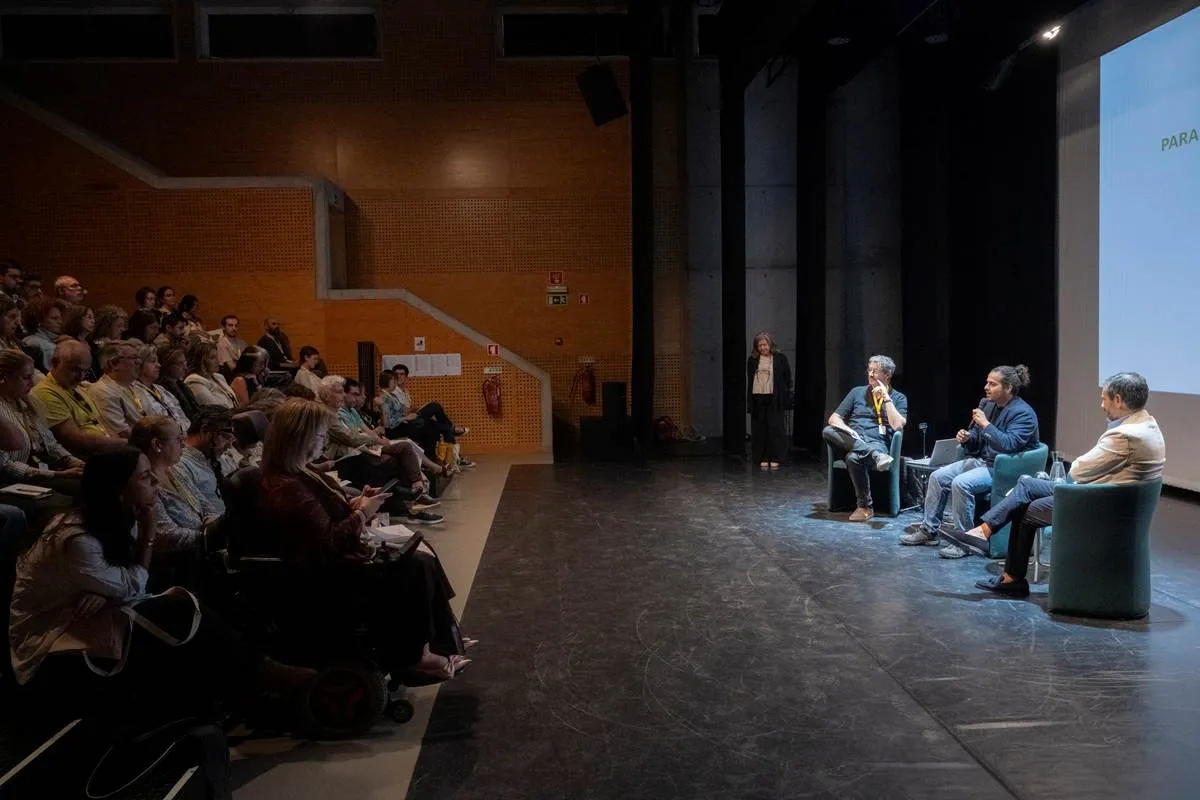
The importance of this infrastructure was highlighted by CIMA researchers in a report by the program Portugal em Rede, from RTP. As explained by Erwan Garel, a CIMA researcher, continuous monitoring is fundamental to understanding the current functioning of Ria Formosa, identifying evolutionary trends, and evaluating, in the long term, the impacts of climate change on this lagoon system.
The new buoy is part of an environmental monitoring network that CIMA is developing in Ria Formosa, aiming to strengthen the continuous observation capacity of this lagoon system. This infrastructure is joined by a station already in operation near Praia dos Cavacos, in Olhão, with a third one planned near the Cais Comercial de Faro. CIMA also intends to extend this monitoring capacity to the Guadiana estuary.
According to André Pacheco, director of CIMA, integrating the data collected by these stations will allow for a better understanding of Ria Formosa's environmental dynamics, feeding and validating numerical models, and developing decision-support tools. This information will be crucial for anticipating the effects of climate change, assessing the impacts of human activities, and supporting the entities responsible for the management and conservation of this territory.
Ria Formosa, one of the few barrier island systems in Europe, is a natural heritage of high ecological, economic, and social value, whose protection requires updated scientific knowledge and continuous environmental monitoring.
The data collected by SIMONA will be made openly available to the public through an online visualization platform. Open access to environmental information aims to support scientific research and contribute to the sustainable management of Ria Formosa.