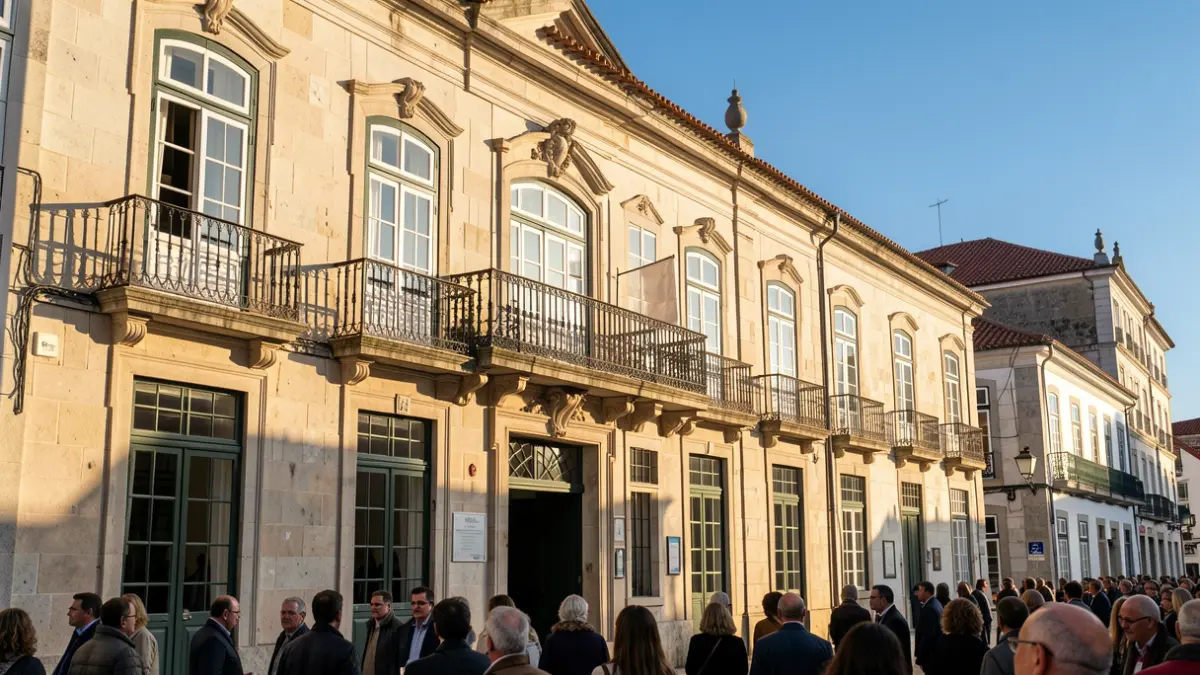
The ceremony, held on October 16th, was attended by various public entities and local authorities, including the president of CCDR Alentejo, Ricardo Pinheiro, the Secretary of State for Planning and Regional Development, Hélder Reis, and the Regional Commander of the National Authority for Emergency and Civil Protection, Rui Conchinha.
The event formalized funding commitments supported by the Regional Program Alentejo 2030, which will mobilize a global investment of approximately 22 million euros. These funds are intended to strengthen the capacity for risk prevention, preparedness, and response, enabling the acquisition of operational vehicles, protection and rescue equipment, and technological surveillance and monitoring systems.
Tiago Teotónio Pereira, Executive Board Member of the Regional Program Alentejo 2030, presented the regional investment in civil protection, framing it within the strategy for climate change adaptation and integrated risk management. He highlighted the modernization of operational resources for firefighters and municipal civil protection services, and the role of technology in preventing rural fires.
This was followed by a panel discussion titled “Building a More Resilient Alentejo: Territorial Cooperation, Civil Protection, and Risk Management,” moderated by Executive Board Member Maria do Carmo Ricardo. It brought together the presidents of the region's Intermunicipal Communities to jointly reflect on the challenges of prevention and risk management in the face of increasing climate change impacts.
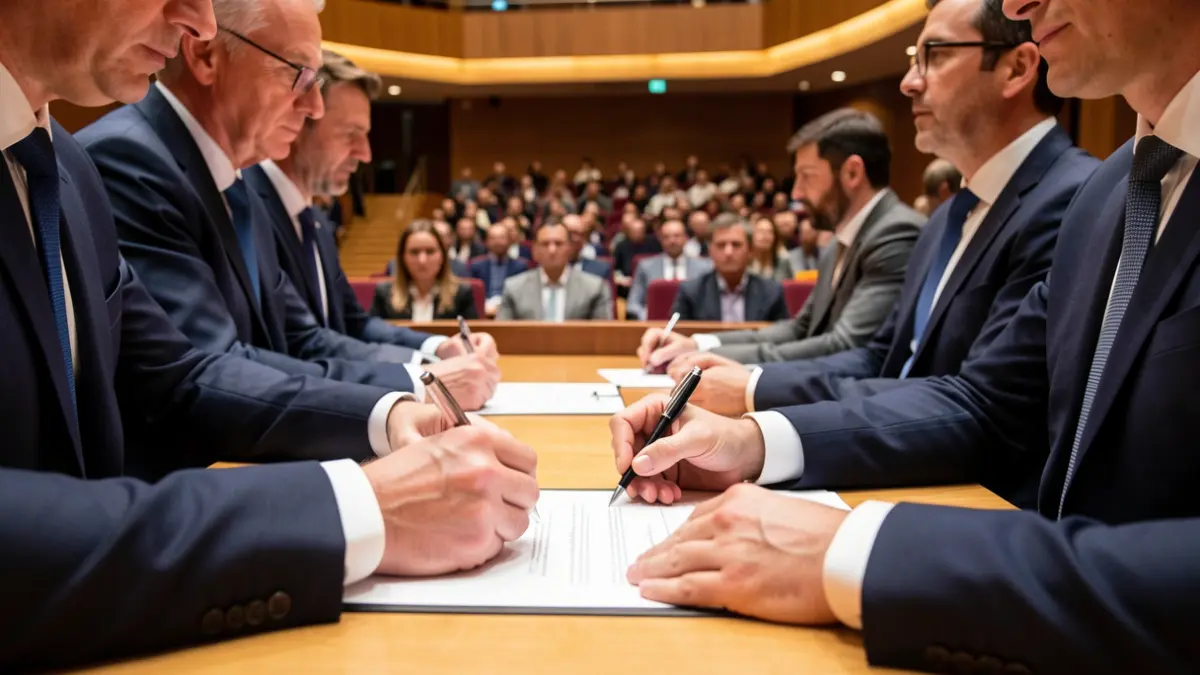
The ceremony culminated with the symbolic signing of funding commitments, which will significantly reinforce the operational resources of the Volunteer Firefighter Humanitarian Associations and the region's municipal civil protection services.
In their closing remarks, Rui Conchinha emphasized the importance of coordination among the various entities within the civil protection system, highlighting the crucial role of firefighters and municipalities. Ricardo Pinheiro stressed the significance of these supports for building a more resilient Alentejo prepared for climate change challenges and advocated for valuing human resources and attracting young people to firefighting. Hélder Reis noted the role of European funds in strengthening territorial cohesion and empowering regions to respond more effectively to climate change-related risks.