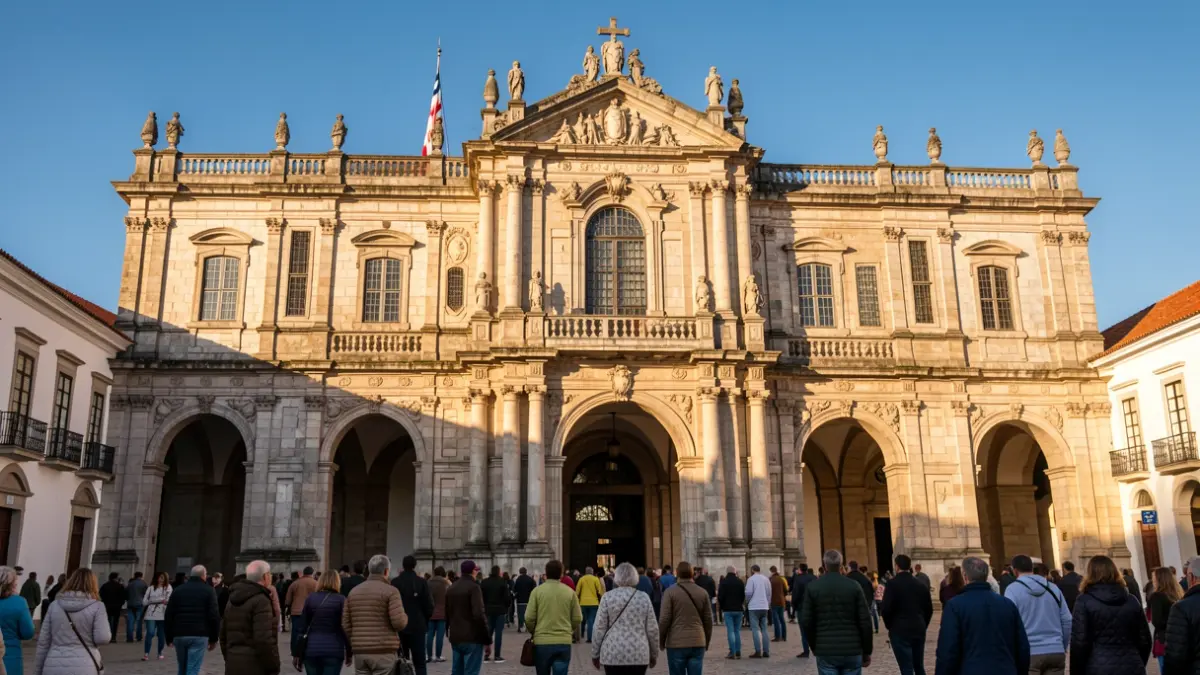
The Antiga Cerâmica de Arganil served as the venue for the 9th Annual National Architecture and Landscape Policy Conference (PNAP), themed «Architecture and Landscape, Memory, Identity and Resilience». The event, held on October 2nd, brought together over 100 participants, including specialists, academics, and professionals from the fields of architecture, landscape, heritage, and spatial planning.
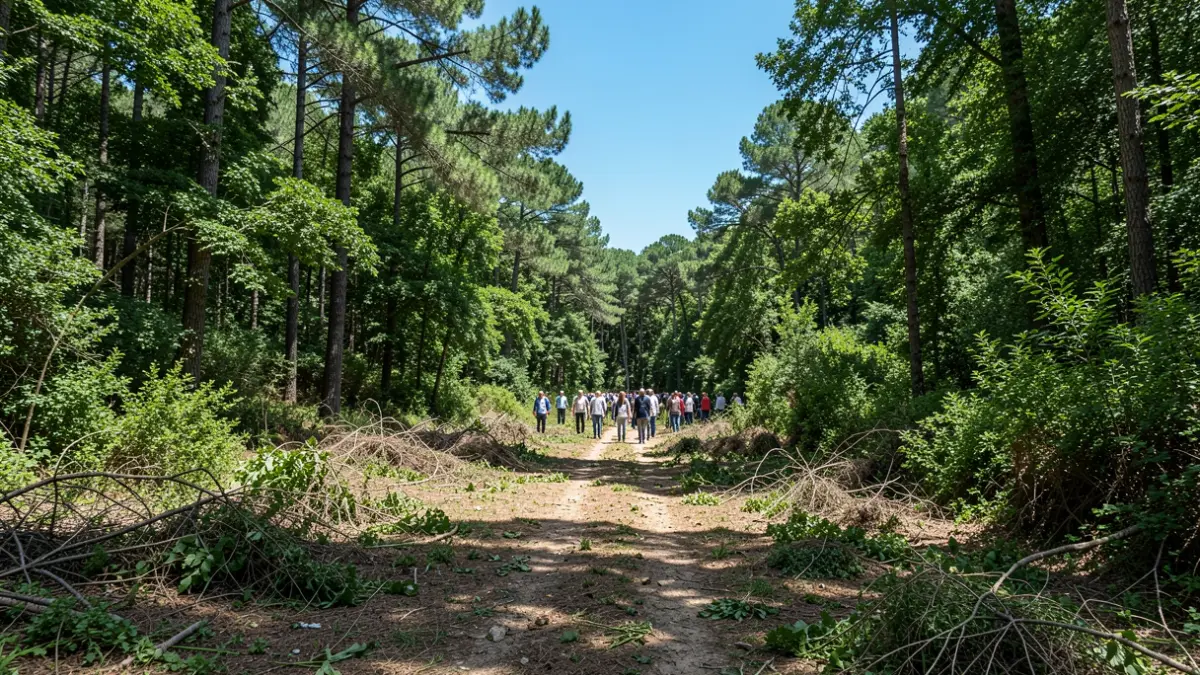
A highlight of the conference was an immersive visit to the Floresta da Serra do Açor (Serra do Açor Forest), the recipient of the 6th National Landscape Award 2025. Participants had the opportunity to see firsthand the landscape recovery and regeneration work underway in the municipality. The activity included a practical session on controlling invasive woody species, such as acacias, using the debarking technique, where attendees could experience the process.
At the opening session, the Mayor of Arganil, Luís Paulo Costa, the Director-General of Territory, Fernanda do Carmo, and the Vice-President of the CCDR Centro, Nuno Nascimento, emphasized the importance of placing landscape and resilience at the core of territorial development policies. Luís Paulo Costa highlighted the significance of Arganil hosting the conference, viewing the Floresta da Serra do Açor project as a national example of integrated landscape management and how crises can drive transformation and hope.
Fernanda do Carmo underscored the value of the immersive experience in Arganil, a municipality with concrete experience in landscape intervention. Nuno Nascimento praised Arganil's suitability for discussing memory, identity, and resilience, acknowledging the project's future vision and the municipal team's ability to position the town at the forefront of this national discussion.
The program also featured presentations of other projects, such as Guardiãs da Água (Guardians of Water), focused on revitalizing the Cepos Washhouses and awarded the European New Bauhaus Prize 2025, and the TERRES project – Territorialization of Resilience. The rehabilitation of the Casa Aristides de Sousa Mendes, initiatives supporting Traditional Architecture, and the PAISACTIVO project were also discussed.
The conference explored the European dimension of territorial resilience challenges, aligning with the ESPON Programme, and debated how memory and identity can strengthen the resilience of territories facing global crises.