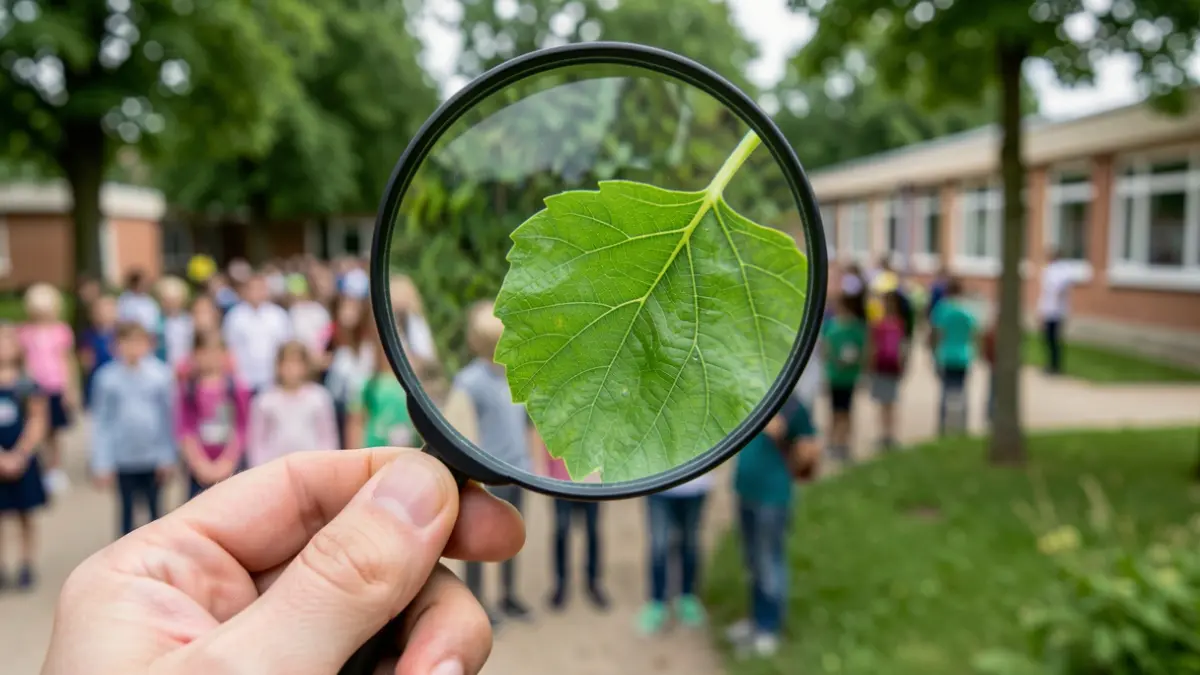
Throughout the sessions, held in eight educational establishments, students explored the functioning of ecosystems and the challenges of their preservation, with particular emphasis on the active participation of students according to the monitoring report. The content was adapted for students in the 2nd and 3rd cycles and vocational training.
Integrated into the council's Eco-Escolas program, the activities covered topics such as wetlands, invasive species, and pollinators. Wetlands were the most sought-after theme, with three sessions, followed by invasive species in two actions. Other sessions focused on soils, pollinators, and the impact of popular myths on ecosystem preservation.
“"We want students to understand how ecosystems work and recognize that their choices have consequences. Environmental policy is also built in the classroom, with the involvement of schools and the Eco-Escolas coordinating teachers."
The Vice-President of the Municipal Chamber of Braga, Altino Bessa, highlighted the fundamental role of environmental education in shaping new generations and the importance of collaboration with the Centro Ciência Viva de Braga. According to Bessa, this partnership brings scientific knowledge closer to school communities and fosters critical thinking among students.