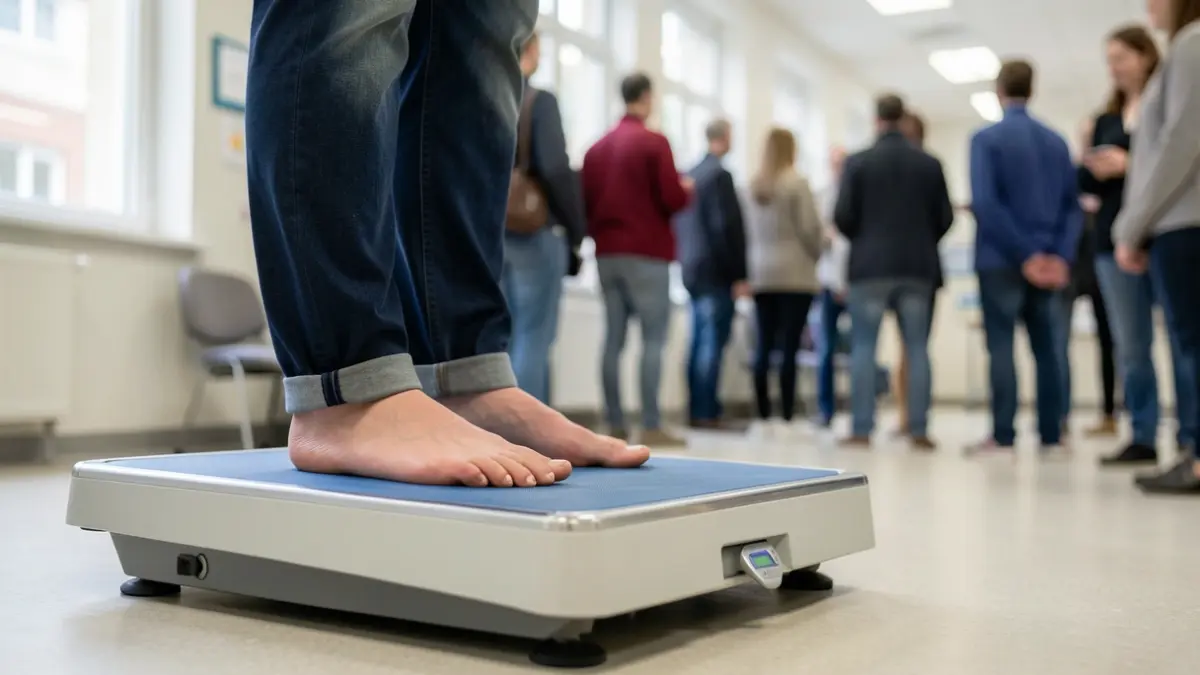
The team, comprising professionals from various specialties such as General and Family Medicine, Internal Medicine, Pediatrics, General Surgery, Nutrition, Nursing, and Public Health, held training sessions on October 14 and 16 for Primary Healthcare professionals at ULSBE. These sessions addressed obesity as a chronic disease, its determinants, weight-associated stigma, care pathways, and medical and surgical treatment options, aiming to prepare professionals for an integrated approach.
The EMO is finalizing two crucial documents: the Local Obesity Prevention and Management Program (PLPGO), which will define the strategy for preventing and managing overweight, including obesity, throughout the life cycle in coordination with local partners, and the Integrated Care Pathway for People with Obesity (PCIPO), which will organize the stages of identification, assessment, treatment, and follow-up, establishing the link between primary healthcare and the future Multidisciplinary Obesity Clinic.
Local data reveal the scale of the challenge: in 2025, 34.75% of users registered with ULSBE were overweight or pre-obese, and 18.01% were obese. In childhood, a study estimated that in 2024, 26.57% of five-year-old children were overweight or obese.
“"Obesity is a chronic disease with roots in the territory. The response must be from the entire territory: health centers, hospital, municipalities, schools, and community."
The establishment of the team, the training of professionals, and the definition of care pathways are fundamental steps for a response that involves different levels of care and local partners, with attention to the needs of each person and family.