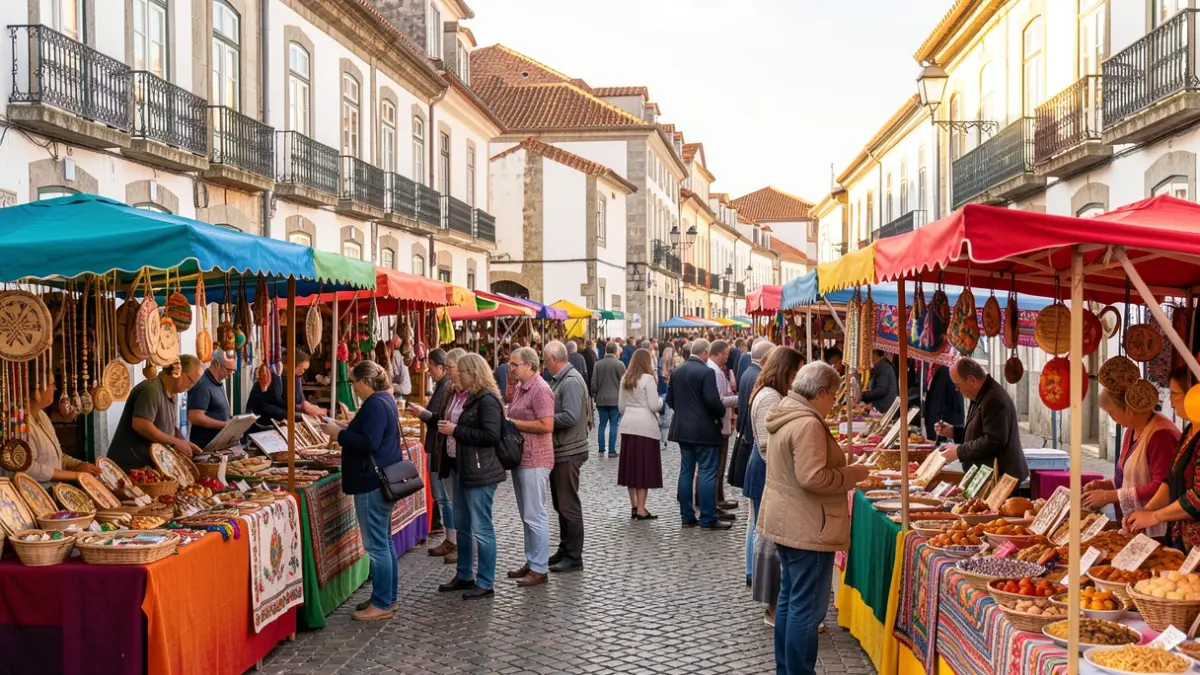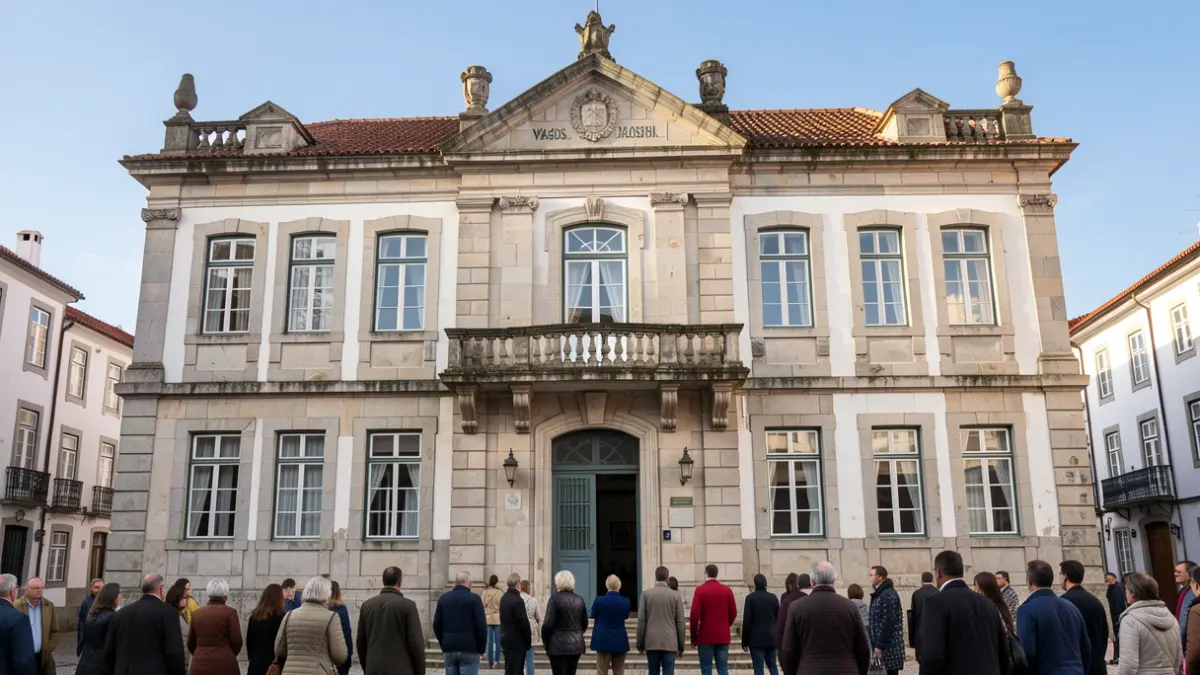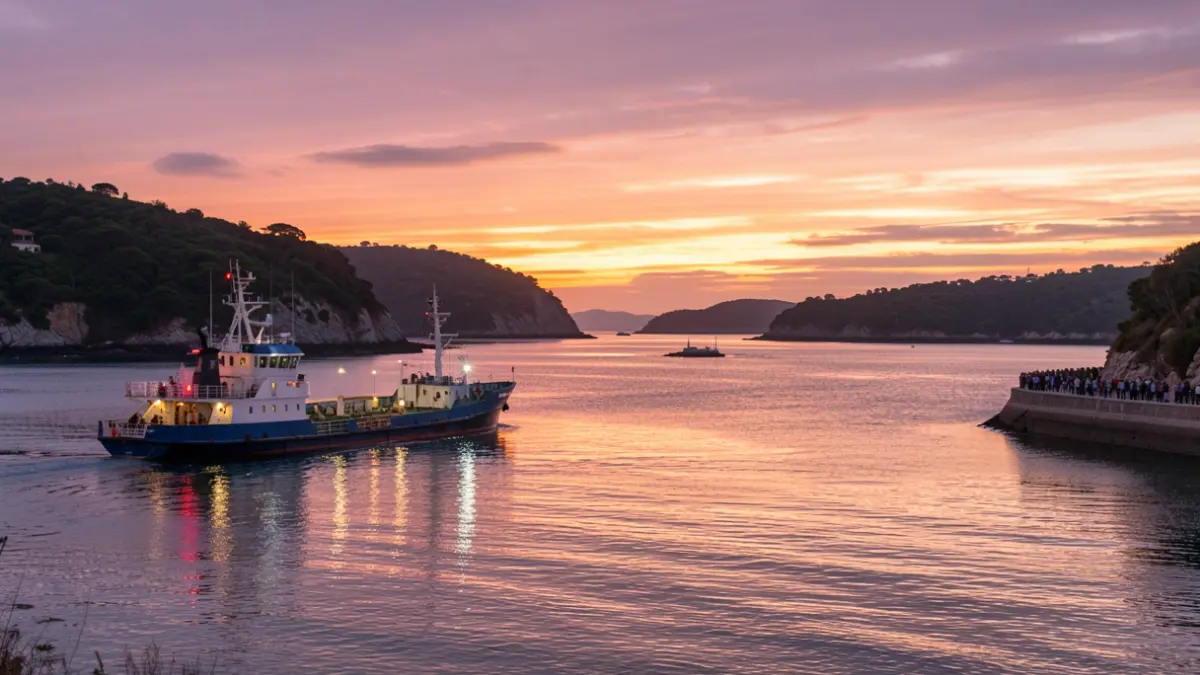
The Polytechnic University of Setúbal (UNIPS) hosted the annual meeting of MARE – Centre for Marine and Environmental Sciences on October 8th and 9th. This marked the first time the university hosted this national gathering of one of the country's largest scientific research structures in the marine field. The event served to strengthen UNIPS's participation in the MARE network, promote new collaborations, and enhance the region's scientific potential, with a particular focus on the Sado estuary and the surrounding coastal area.
Ricardo Salgado, coordinator of the regional unit MARE-UNIPS, emphasized the importance of hosting the event, highlighting the opportunities for scientific cooperation and advanced training that the meeting provided for the university's researchers and the other teams within the center. "UNIPS joined the consortium recently, this is the first time we host a national meeting of MARE, and as such, it is an important moment for the University's affirmation within this scientific network," he stated, also pointing out the region's privileged conditions for studying aquatic ecosystems.
The Sado estuary and the surrounding coastal zone were described as a significant research laboratory for the various regional units of MARE, fostering new scientific collaborations. Approximately 180 researchers, from a community of about 700 members across eight regional units, participated in working meetings, thematic sessions, and discussions about the center's future.
The program also included a session dedicated to the specific characteristics of the Sado estuary, with participation from the Institute for Nature Conservation and Forests (ICNF), and a panel discussion on the National Nature Restoration Plan and the implementation of targets for freshwater and marine ecosystems. Bringing researchers and geographically dispersed regional units closer together, including Madeira, was a central objective of the meeting, according to Pedro Raposo de Almeida, director of MARE.
Pedro Raposo de Almeida also highlighted the need to define research and investment priorities, identifying aquaculture, the development of accessible technologies, and scientific advice for fisheries management as strategic areas. He recalled that MARE is one of the largest research centers nationally and the only one covering all aquatic dimensions, from freshwater to the deep ocean, contributing scientifically to the National Nature Restoration Plan and the definition of public policies.
Public funding for research was another central theme. Pedro Raposo de Almeida expressed significant concern regarding 2027, anticipating an uncertain year for funding calls and calendars. However, he expressed confidence in MARE's capacity to survive, emphasizing the need to strengthen resource mobilization through other avenues, particularly by providing services to the business sector.