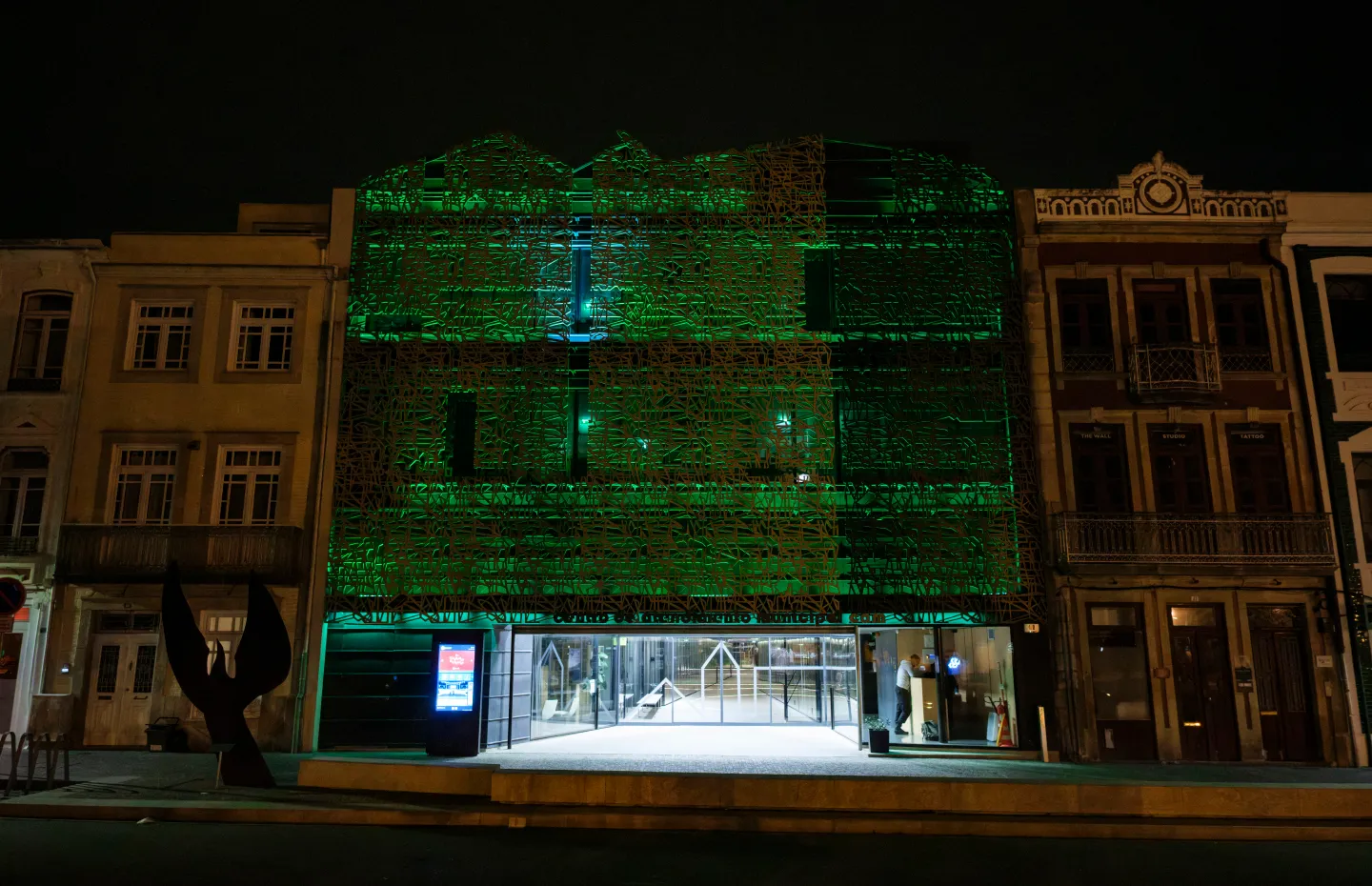
The building's green illumination aimed to raise awareness within the Póvoa community about this rare genetic condition, which affects the SHANK3 gene and is one of the most recognized genetic causes of autism associated with intellectual and developmental difficulties.
In Portugal, it is estimated that over 700 families remain undiagnosed, despite only 50 having a confirmed diagnosis. Individuals with this condition face significant challenges, including intellectual disabilities, absence or loss of speech, epilepsy, low muscle tone, high pain tolerance, sleep disturbances, and perspiration difficulties.
Timely diagnosis, made through specific genetic tests such as chromosomal microarray or SHANK3 gene sequencing, is crucial. Although there is no specific cure, multidisciplinary support, including speech therapy, physiotherapy, occupational therapy, and behavioral interventions like ABA, is vital for improving the autonomy and quality of life for affected individuals.
“"For more information, consult the official portal of the Phelan-McDermid Association."