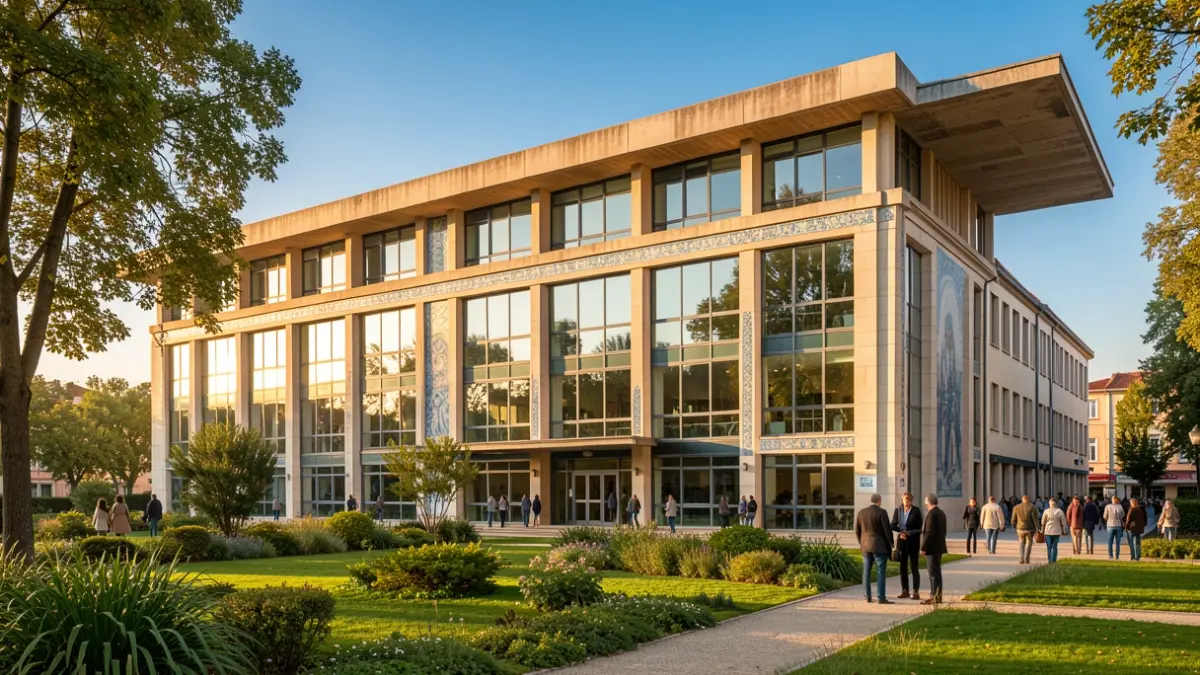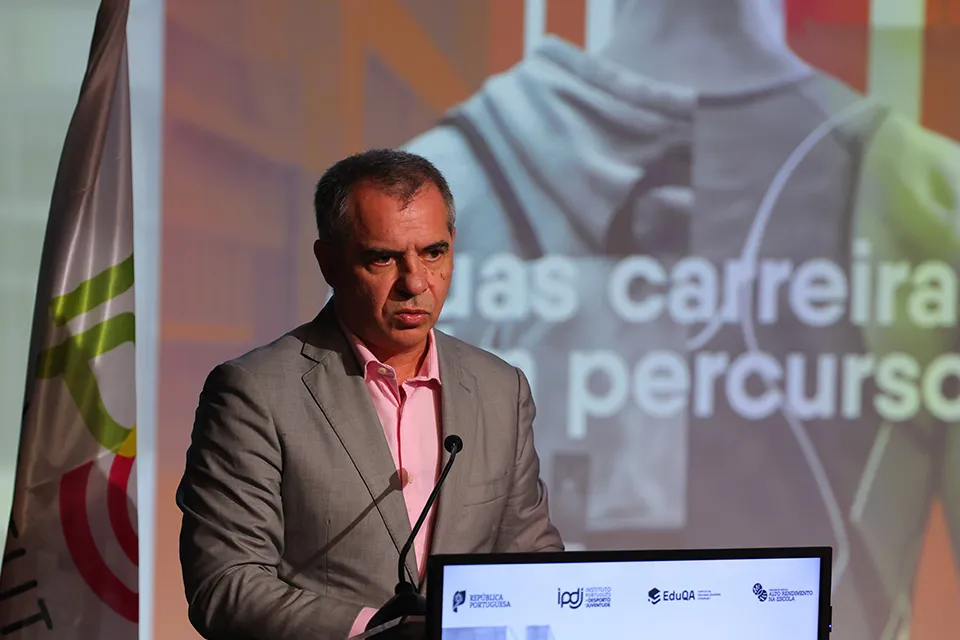
The event, organized by the Porto Biomechanics Laboratory (LABIOMEP), gathered researchers, faculty, students, and sports professionals, promoting knowledge sharing and bridging the gap between scientific research and sports practice. This initiative continued FADEUP's commitment to disseminating biomechanics research.
The scientific program covered various aquatic disciplines, including swimming, rowing, canoeing, and aquatic physical exercise. Topics such as biomechanical movement analysis, sports performance evaluation, physiological monitoring, artificial intelligence, and new motion capture and analysis technologies were extensively discussed.
Renowned researchers, including Raúl Arellano (University of Granada), Beatriz Gomes (University of Coimbra), and Rodrigo Zacca and J. Paulo Vilas-Boas (FADEUP), participated in the scientific sessions. The event also featured scientific communications, poster sessions, and presentations on technological innovation applied to sports.
“"The laboratory was recognized as an Excellence Research Centre by European Aquatics and as a Qualisys Reference Site, distinctions that reinforce the recognition of its scientific and technological competence, particularly in biomechanical research in aquatic environments and three-dimensional motion analysis."
LABIOMEP received dual international recognition, being named an Excellence Research Centre by European Aquatics and a Qualisys Reference Site. These accolades underscore its scientific and technological expertise in aquatic biomechanics and 3D motion analysis.
The Track2Sea project, funded by the Portuguese Olympic Committee, was also presented, aiming to develop new biomechanical and physiological evaluation methodologies for track and sea rowing.
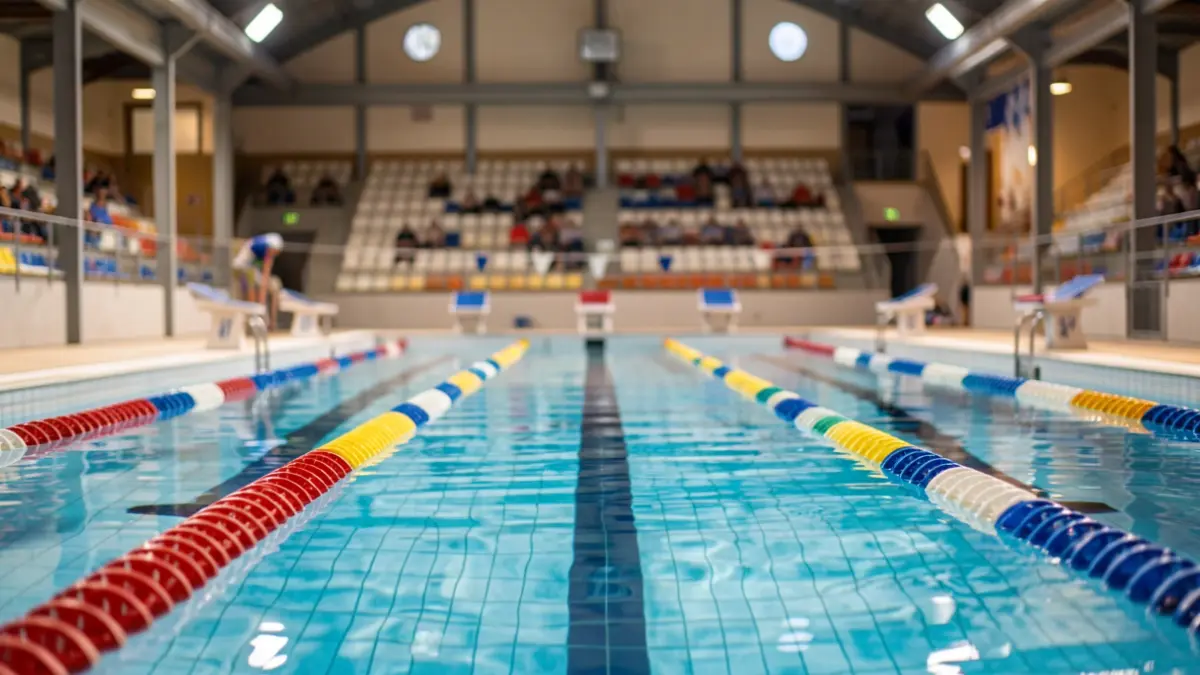
The practical component included workshops at LABIOMEP and the FADEUP swimming pool, where participants experienced performance evaluation and monitoring technologies, such as aquatic motion capture systems, force assessment, muscular and physiological monitoring, and isoinertial training.