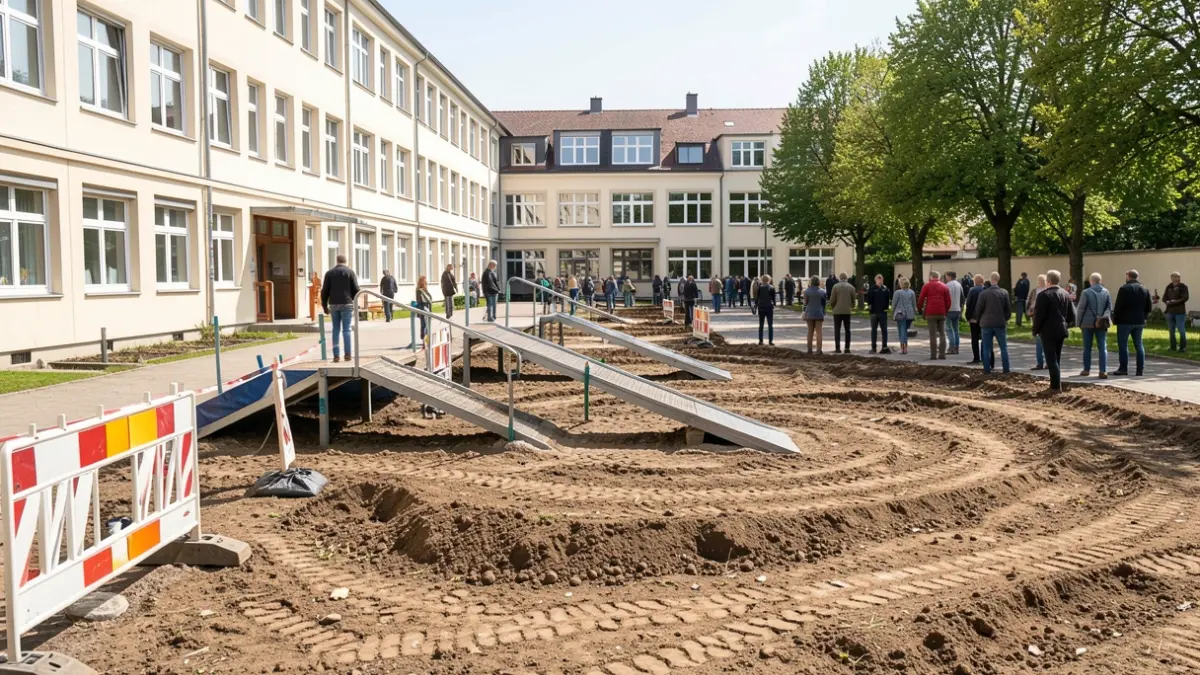
The Mayor of Baião Municipal Chamber, Ana Raquel Azevedo, met this week with the Chairman of the Board of Directors of Águas do Norte, António Cardoso. The meeting, requested by the mayor, aimed to express her deep concern about the delays in the completion of interventions carried out by the company in the municipality, particularly in the restoration of trenches and the final paving of the affected roads.
Ana Raquel Azevedo conveyed to the management of Águas do Norte the discontent of many residents regarding the delay in these works, which have caused significant traffic disruptions and numerous complaints. While acknowledging the importance of the interventions for expanding water supply and sanitation networks, the Mayor believes that the execution should be accompanied by a swift and adequate restoration of traffic conditions.
The municipal executive's concern is heightened with the approach of the rainy season, warning that the presence of unrepaired trenches and unfinished paving could worsen traffic conditions. The mayor therefore advocated for Águas do Norte to accelerate the completion of ongoing interventions and ensure the final restoration of pavements with the necessary quality and speed.
Other issues were also discussed, such as the insufficient investment in expanding water supply and sanitation networks, which affects a significant part of Baião's territory. Ana Raquel Azevedo also expressed opposition to any potential new tariff increases, advocating for greater fairness and tariff convergence.
The Mayor highlighted the challenging role of the Municipal Chamber, which often receives residents' complaints, even though the resolution depends on decisions beyond its direct control. These concerns were also communicated to the Minister of Environment and Energy, Maria da Graça Carvalho, on October 7th.
Eight municipalities, including Baião, sent a joint communication to the Minister, requesting an urgent meeting and state intervention to resolve the financial and structural problems of the Water Partnership. They highlight the need for 220 million euros in investment and argue that financial sustainability should not come at the expense of successive increases in household bills.