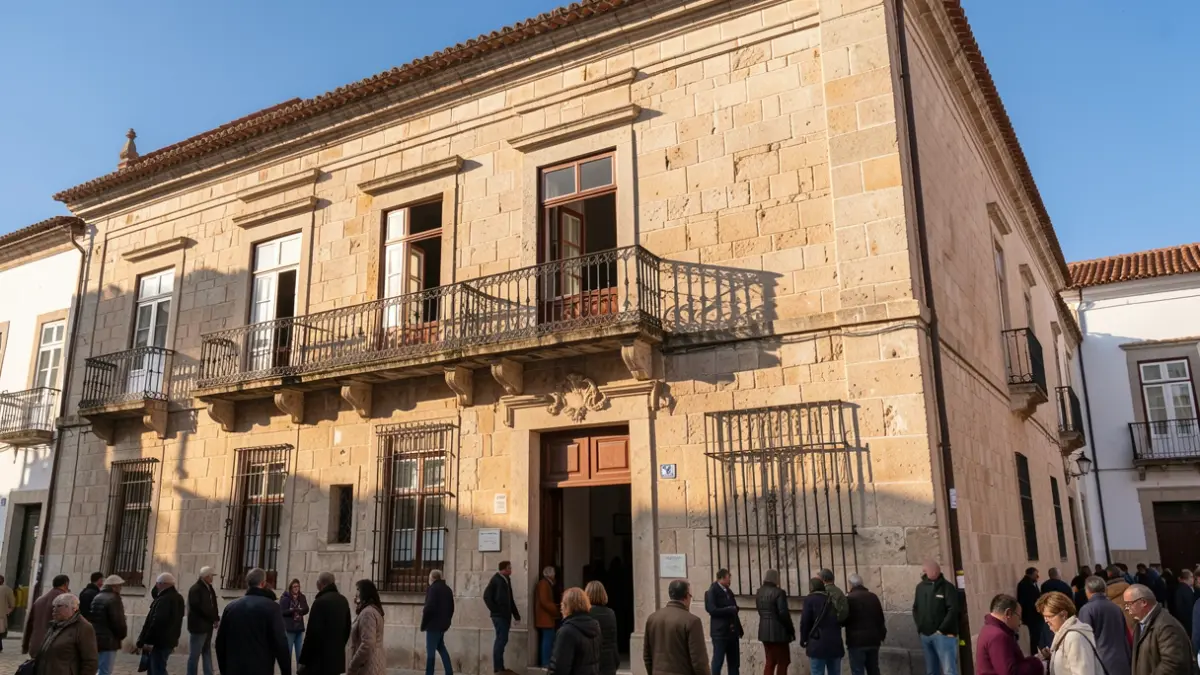
TML – Transportes Metropolitanos de Lisboa attended the 2nd Conference «Cybersecurity – Challenges for Transport Operators», organized by AMOLIS, on October 14th, at the Auditório do Alto dos Moinhos in Lisbon. The event gathered experts and operators to discuss the challenges of protecting critical infrastructure.
Pedro Pinto de Jesus, Board Member of TML, participated in a panel discussion on the NIS2 Directive and cybersecurity challenges in the transport sector. He emphasized the need for cooperation between entities, top management involvement, and the protection of systems ensuring the continuity and reliability of transport services. TML, responsible for managing the navegante® ticketing system and coordinating operators in the Metropolitan Area of Lisbon, plays a central role in integrating the metropolitan ecosystem, reinforcing the importance of a coordinated approach to cybersecurity.
At the opening session, Secretary of State for Mobility, Cristina Pinto Dias, stressed that transport constitutes a critical state infrastructure, essential for passenger data security and system trust. She stated that digitalization, while progress, must be reliable and secure, and that cybersecurity should not be seen as an obstacle to innovation but as an increasingly comprehensive responsibility, with fundamental principles of 'prepare, protect, and recover'.
The conference also featured contributions from Sónia Páscoa (President of the AMOLIS Board), Nuno Brás Fernandes (Cybersecurity and Information Security Consultant), and Nuno Medeiros (CISO and e-Redes). Nuno Brás Fernandes highlighted the transport sector's exposure to cyber threats, identifying it as the third most targeted sector in Europe, with rail transport being the most affected.
During the panel moderated by Inês Antas de Barros, Pedro Pinto de Jesus described the adaptation to the NIS2 Directive as a paradigm shift, requiring effective involvement from organizational management and continued commitment to implementing necessary measures. TML faces the challenge of ensuring security keeps pace with the integration of the metropolitan transport system, with coordination mechanisms, response procedures, and communication channels to prevent risks and minimize incident impact.
The TML representative emphasized that the strong interconnection among transport agents increases risk exposure, making a collective approach indispensable. 'Resilience only works if it is collective,' he stated, advocating for investment in specialized tools and professionals, sharing experiences, and maintaining active communication channels. Pedro Pinto de Jesus also highlighted the importance of raising awareness among decision-making bodies and the role of artificial intelligence, which can both amplify attacks and strengthen defense capabilities.
The debate also included perspectives from Cristina Agreira (Metro do Mondego), Júlio César (National Cybersecurity Center), and Gonçalo (Security Information Service). Identified challenges included prevention, understanding systems and vulnerabilities, inter-organizational learning, mindset change, and the growing diversity of threats. Pedro Pinto de Jesus reinforced the need for clear commitment from top management and transversal cooperation across the entire system to strengthen prevention, response, and recovery capabilities.