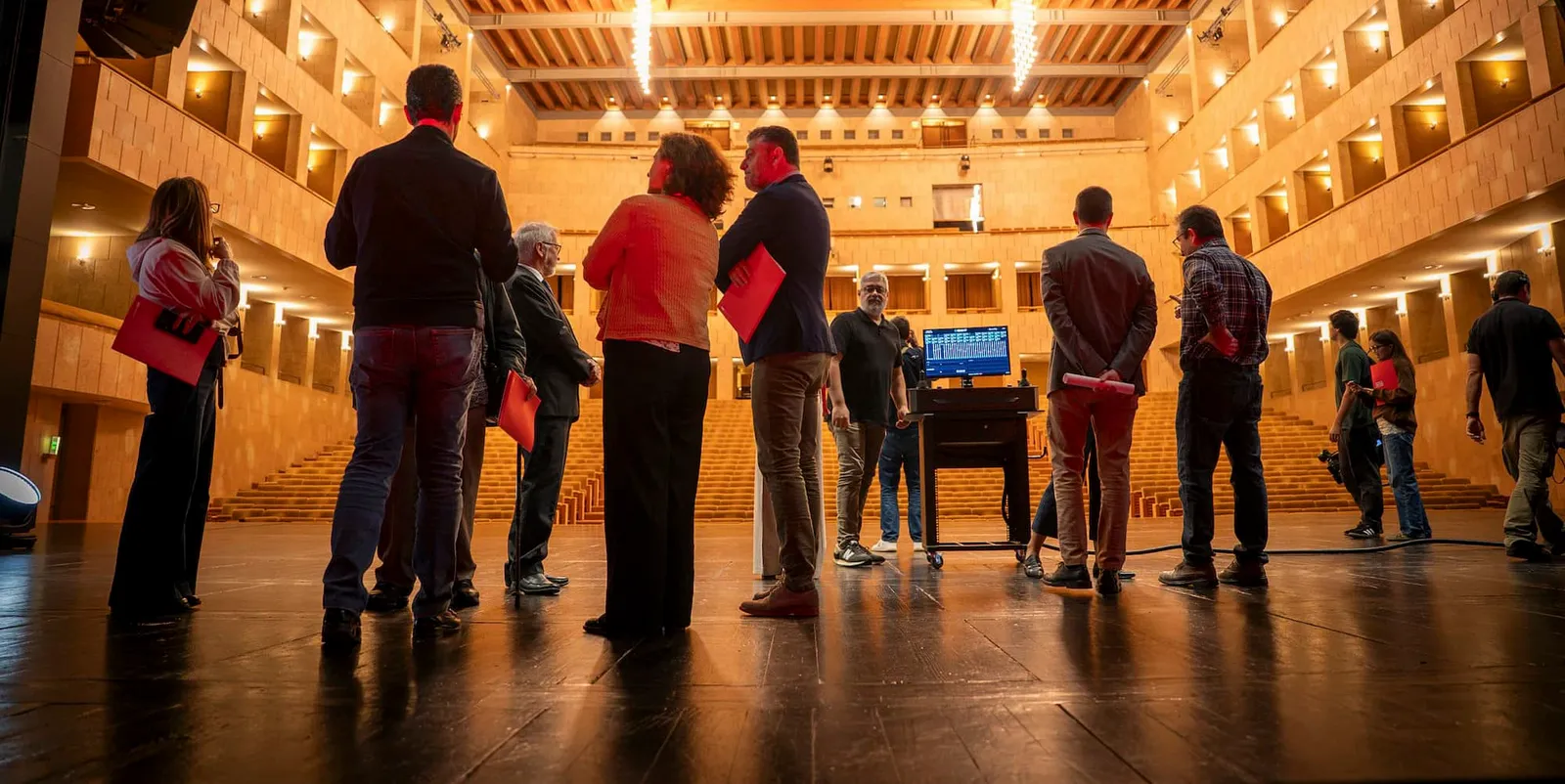
FLASH radiotherapy, an emerging area, has received recognition for the relevance of solving the beam monitoring problem, which gives confidence in the work developed. The closing ceremony of the 17th Fraunhofer Portugal Challenge took place on October 29th at the Fraunhofer Portugal AICOS facilities in Porto.
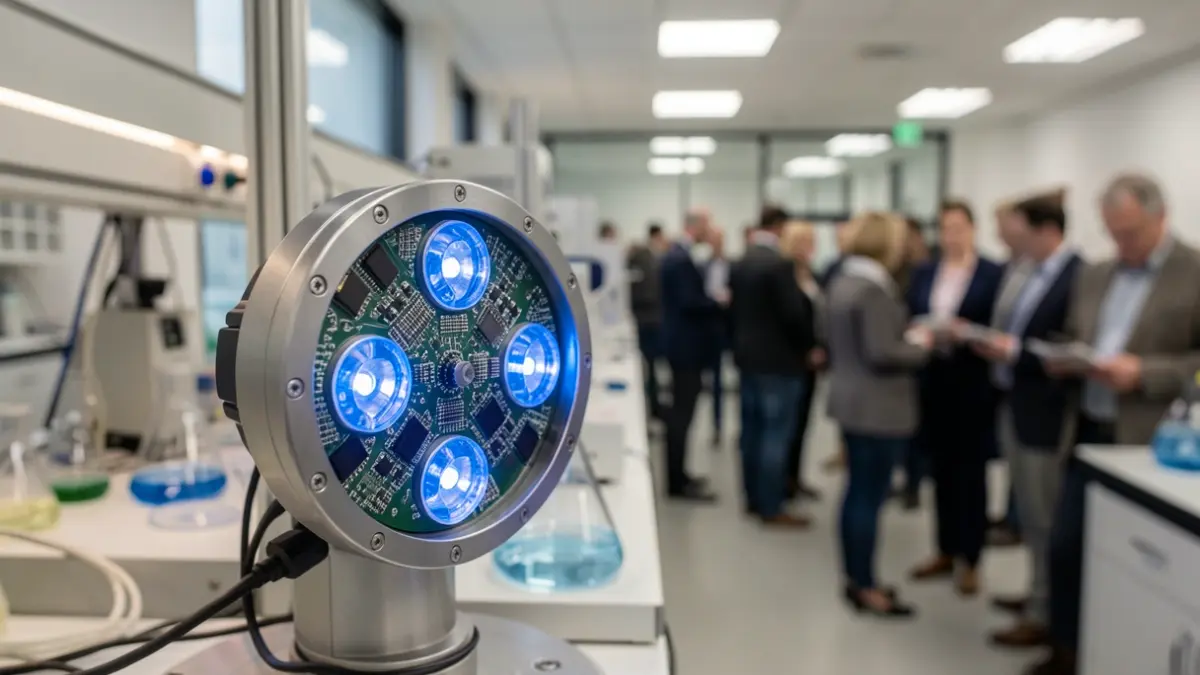
The FLASHGuard project, developed at Técnico and the Instrumentation and Experimental Particle Physics Laboratory (LIP), under the guidance of Pedro Assis and Patrícia Gonçalves, consists of a monitoring device designed to meet the demanding requirements of FLASH radiotherapy, bringing this technique closer to clinical application.
In his master's thesis, Gonçalo Ribeiro sought to address one of FLASH radiotherapy's limitations: delivering the dose in fractions of a second, which can reduce damage to healthy tissues. Conventional beam monitoring systems were not designed for such short times and high doses. "Without a reliable way to measure what is being delivered to the patient, it is difficult to bring this technique to the clinic," explains the student.
An important step was the validation of the device in a hospital setting at Hospital de Santa Maria, using FLASHKNiFE, a unique accelerator worldwide. The results confirmed the device's ability to monitor the beam with the necessary reliability, a decisive factor for the thesis's recognition and for bringing the project closer to routine clinical use.
Currently pursuing his PhD at LIP, Gonçalo Ribeiro intends to continue developing the work, leveraging the laboratory's expertise in creating high-performance detectors. Collaboration with the radiotherapy team at Hospital de Santa Maria and access to FLASHKNiFE will remain important for testing improvements under real conditions and receiving direct feedback.
Organized since 2010, the Fraunhofer Portugal Challenge encourages students to transform scientific knowledge into technological solutions. For Gonçalo Ribeiro, the distinction represents "a very important validation," particularly because it "comes from a jury that brings together research, academia, and industry and evaluates the real application potential of solutions".
The project stood out "for combining a very specific clinical problem with a very solid scientific basis." Gonçalo Ribeiro highlighted the contribution of everyone involved: "This award is not just mine. I owe it to my supervisors, Pedro Assis and Patrícia Gonçalves, and to LIP, which has been the home of this project. I also owe it to the team that has been joining, Gonçalo Roriz, Manuel Ratola, and Miguel Ferreira." He also thanked the radiotherapy team at Hospital de Santa Maria.
The FLASHGuard team had previously represented Portugal in the international final of the MIT $100K Entrepreneurship Competition 2026 and, the previous year, the project was recognized for its innovative nature in the European Youth Start-Up Competition and the 9th edition of the Lab2Market program at Técnico.