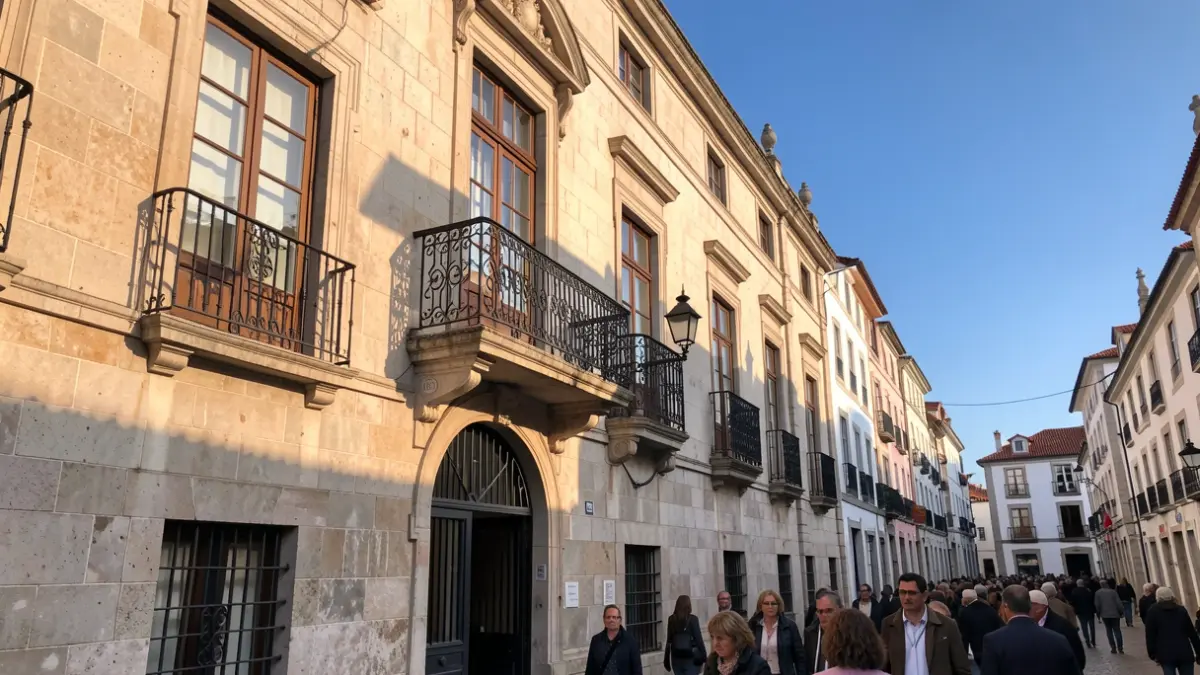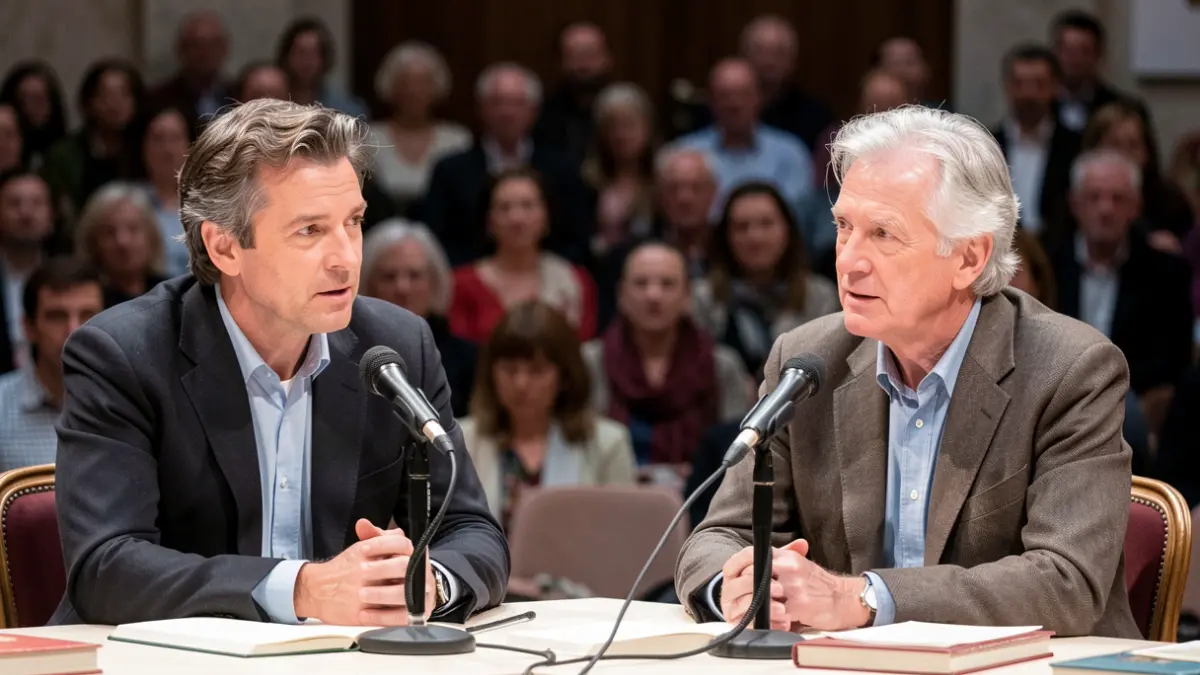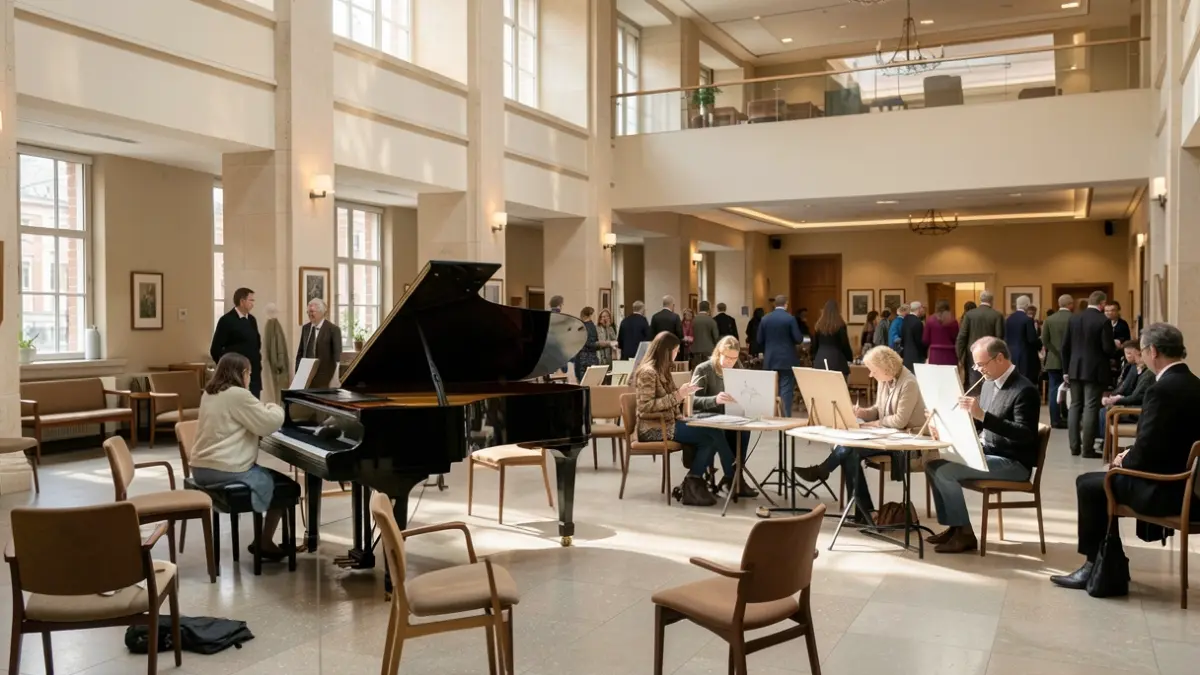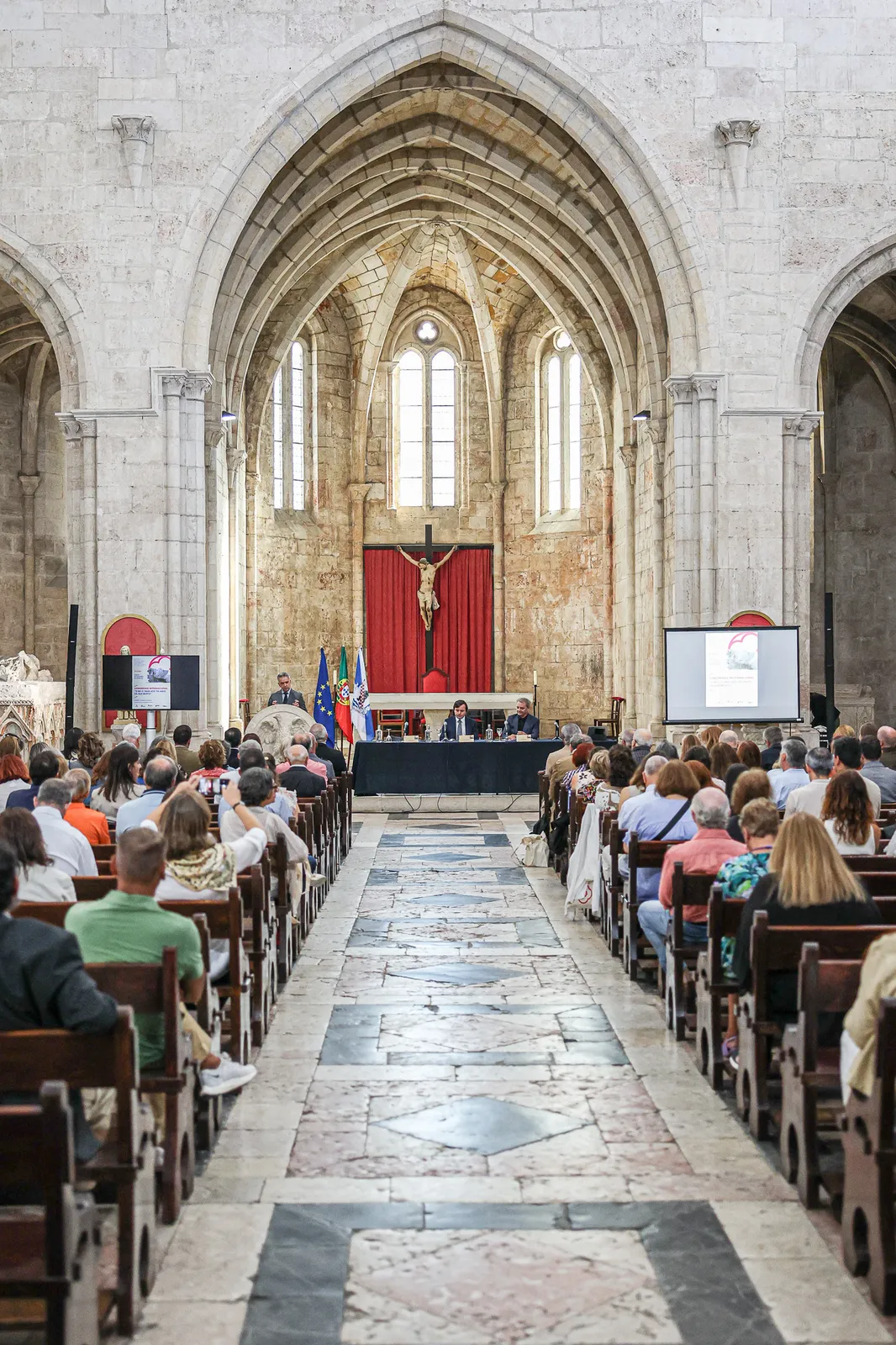
For two days, in the Church of the Monastery of Odivelas, specialists in Archaeology, History, Anthropology, Art History, Conservation, and Restoration shared insights on King D. Dinis, his tomb, and the exhumed funerary elements, such as his vestments, sword, coffin wood, and skeletal remains.
The interdisciplinary research work, conducted over recent years as part of a collaborative project between Património Cultural, Instituto Público, the Odivelas Municipal Council, and Museus e Monumentos de Portugal, EPE, has opened new avenues for understanding the monarch.
The opening session was attended by prominent figures including João Soalheiro, President of the Board of Directors of Património Cultural, I.P., Hugo Martins, Mayor of Odivelas, and Alexandre Pais, President of Museus e Monumentos de Portugal, EPE.
Among the specialists, Maria Antónia Amaral, Head of the Division of Cadastre, Inventory, and Classification at Património Cultural, I.P., presented the findings from the archaeological work on the tombs of D. Dinis and his grandson, the Infante. Notable presentations included “Archaeological approach to King D. Dinis's coffin: funerary architecture, wood construction techniques, and the contribution of specialized design,” co-authored with Guida Casella, and “The Sword of King D. Dinis: From Material Vestige to the Problematic of Historical Interpretation.”
At the closing session, Ana Catarina Sousa, Vice-President of the Board of Directors of Património Cultural, I.P., was present, representing the institution.