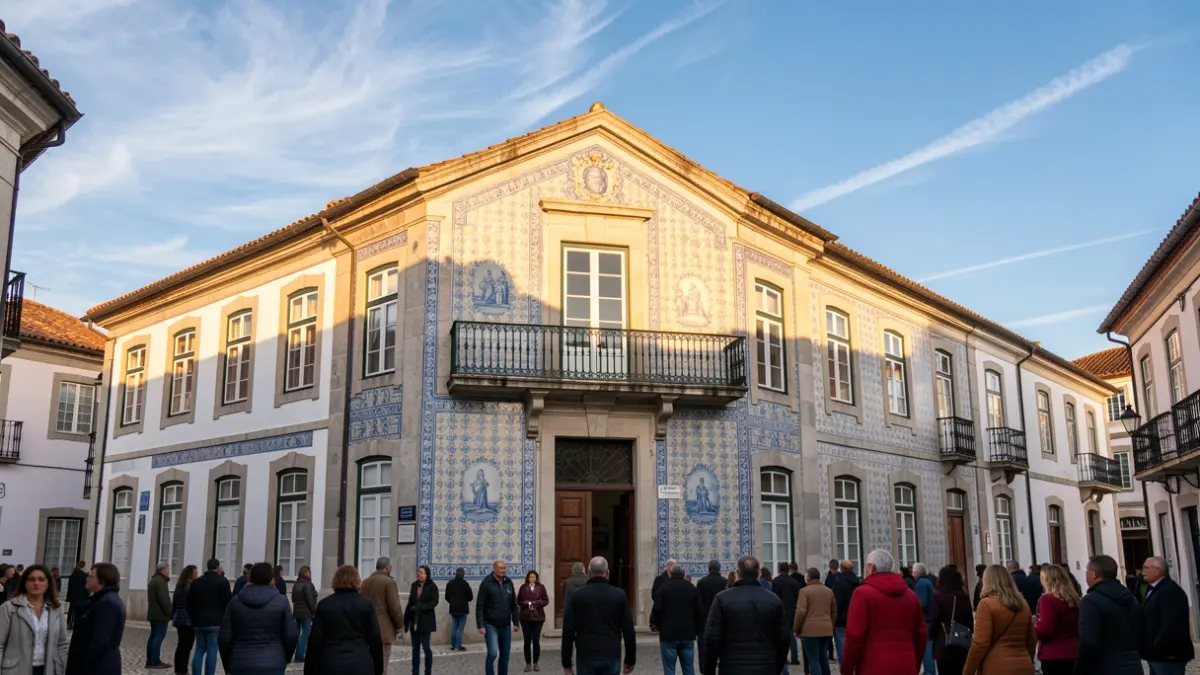
Jorge Sequeira, from LNEG, presented the city's geological history and its relationship with water, geological resources, and the evolution of the urban landscape during the training session “Paths of Water: Nature and Heritage Routes in Lisbon”. The initiative, promoted by the Nature Protection League (LPN) in partnership with EPAL – Portuguese Company of Free Waters, brought together teachers, students, researchers, associates, and citizens interested in Lisbon's natural and cultural heritage.
Led by trainers Rui Queirós (biodiversity) and Jorge Sequeira (geodiversity), the session covered the Tapada das Necessidades and the Geomonument of Avenida Infante Santo. The route offered an integrated reading of the city, addressing the relationships between landscape, geology, biodiversity, water, and human occupation.
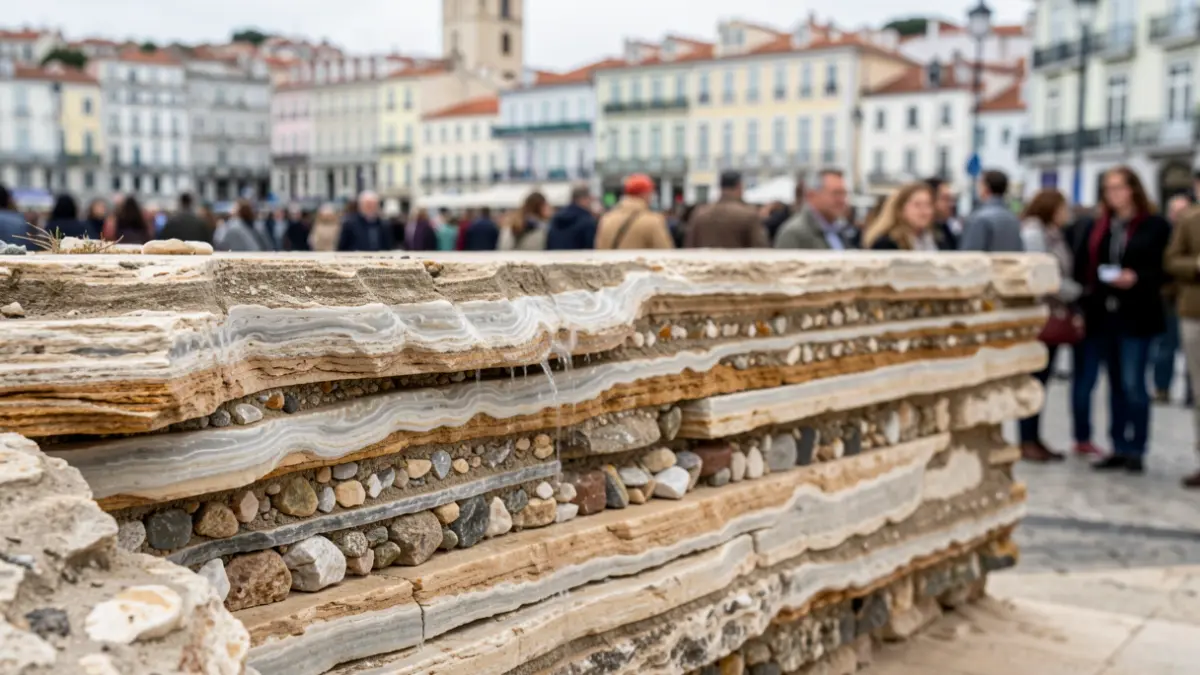
With water as the guiding element, Jorge Sequeira detailed Lisbon's Geology and its connection to the city's development. At the Geomonument of Avenida Infante Santo, the observation of the Bica Formation, composed of Upper Cretaceous limestones, allowed for the interpretation of past marine environments and the presence of flint, establishing a link between geological history and the use of resources by human populations.
The exploration of limestone quarries and lime production were used to highlight the role of geological resources in the construction and transformation of Lisbon's urban landscape. LNEG's participation aims to disseminate geoscientific knowledge and promote the value of geodiversity and geological heritage, bringing science closer to citizens.