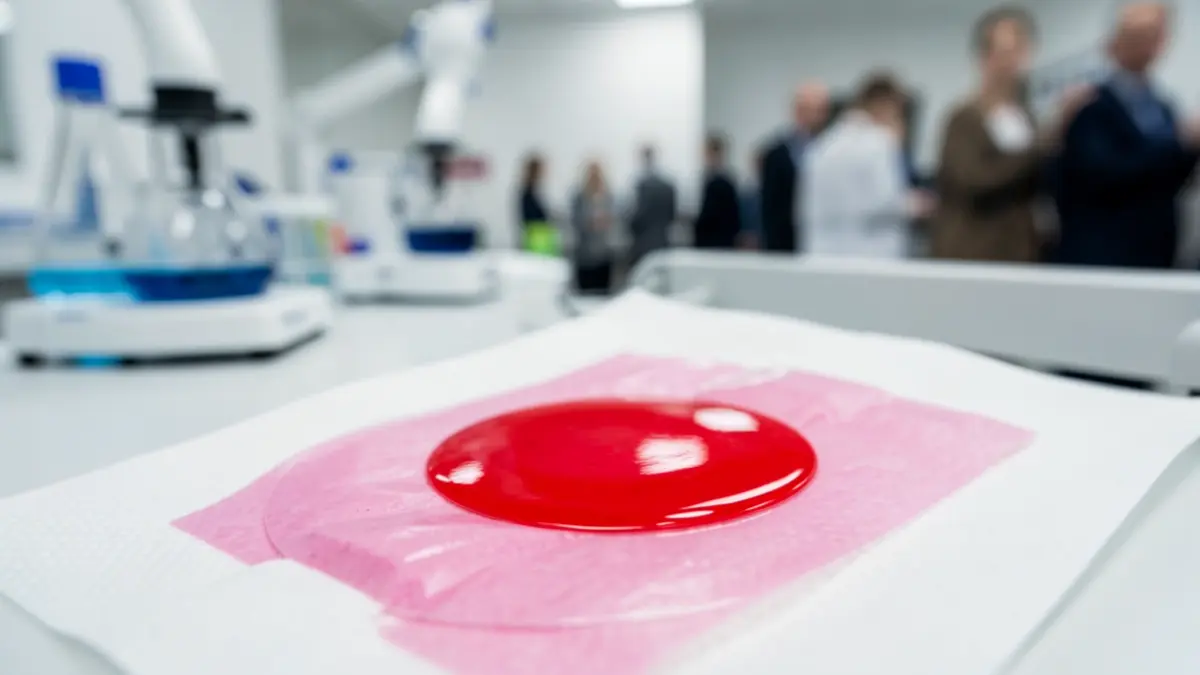
The two inventions were developed by UPG and presented by four researchers at the annual event for the biotechnology and life sciences sector, held on September 23rd and 24th at TagusPark. The "smart" dressings, created with "Colorwound" technology, incorporate a pH sensor in an adhesive film that changes color to indicate the wound's condition and healing progress, assisting healthcare professionals in monitoring chronic wounds, which pose a significant challenge due to the risk of infection and persistent inflammation.
The second patent, a gel for oral administration, uses microalgae biomass (such as Chlorella sorokiniana) to adsorb drugs in the gastrointestinal tract, making it suitable for treating intoxications in both humans and animals. This formulation has potential applications in the pharmaceutical, medical, and veterinary fields.
Biomeet 2026, organized by P-BIO – Portuguese Association of Bioindustry, brought together hundreds of professionals and investors. UPG's projects were developed by the BRIDGES Research Unit and the Technology Transfer and Knowledge Valorization Office.
Joaquim Brigas, rector of UPG, highlighted the importance of these meetings to "showcase excellent research work" and strengthen the link between academia and the business community, considering innovation a strategic pillar.
Sónia Miguel, coordinator of the "Colorwound" project, explained that the "smart" dressing not only protects and treats but also monitors the wound, indicating infection foci and healing progress through color changes. The dressing, originally red, turns pink in case of infection (pH > 7) and gradually to yellow as the wound heals (pH < 7).
UPG's participation in the event, as part of the INOVC+ project, aimed to "reinforce the link between research and innovation" and develop solutions with an impact on health and biotechnology.