The decision is based on a rigorous assessment of the elements presented within the Environmental Impact Assessment procedure, considering not only the individual characteristics of the development but also the cumulative effects of the growing concentration of renewable energy production infrastructure in the territory.
Although the Municipal Chamber acknowledges that the project's reformulation represents a positive evolution, with a reduction in the implantation area, exclusion of sensitive areas, and decreased soil impermeabilization, these changes do not resolve the central issue of the scale of territorial occupation and its cumulative impacts.
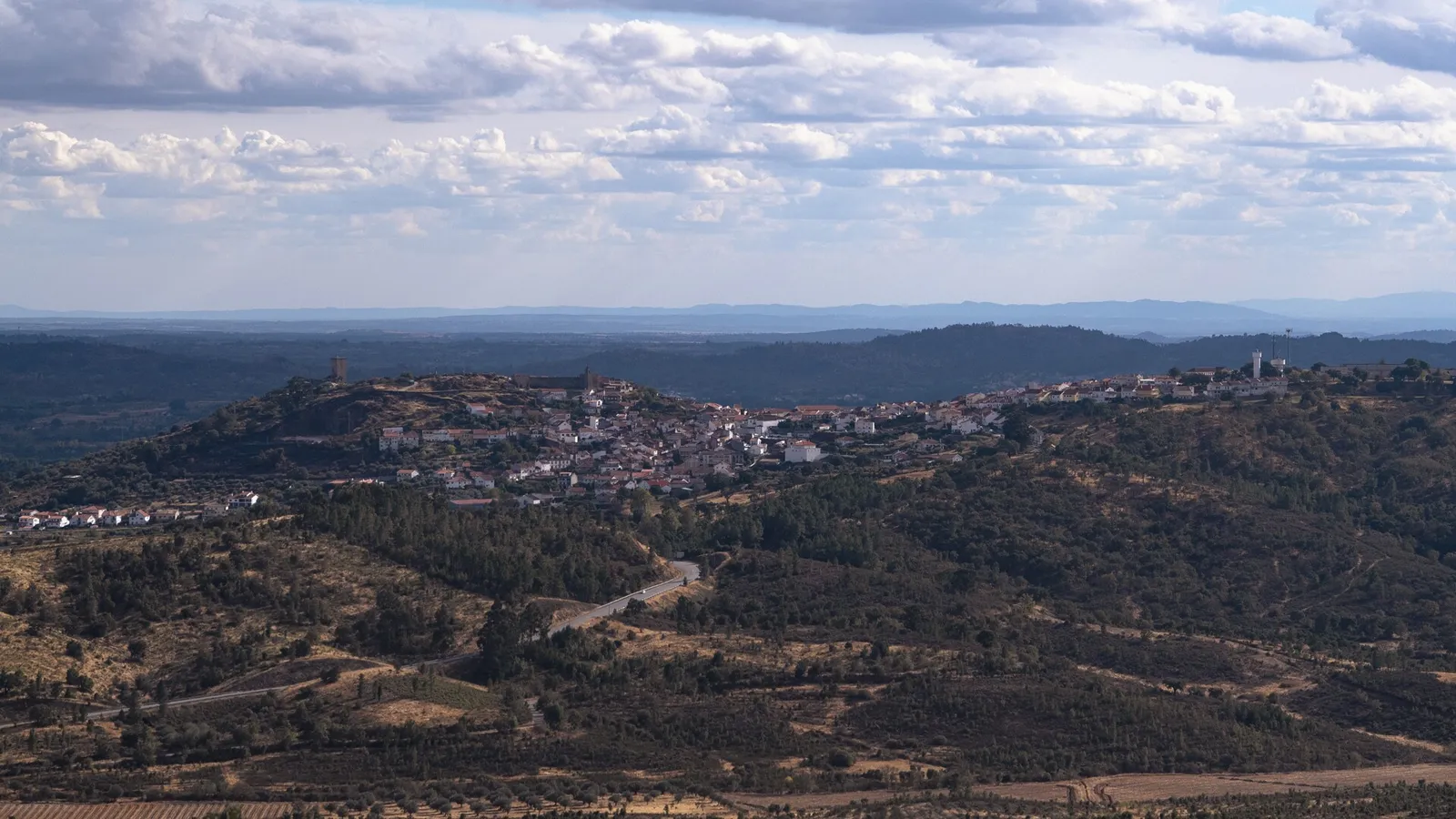
Currently, approximately 553.89 hectares of the municipality are already committed to projects of this nature. With the Sophia Solar Park proposal, which adds about 624.54 hectares, the total area allocated to renewable energy production infrastructure rises to over 1,178 hectares.
Faced with this significant territorial pressure, the Municipality reaffirms the need to establish a maximum occupation limit of 2% of the municipality's total area for solar parks and similar energy infrastructures. This benchmark aims to ensure a balanced territorial distribution, reconciling national decarbonization goals with the preservation of natural resources and landscape identity.
The Municipality further considers that the assessment of new developments must be integrated, taking into account existing projects and their cumulative effects, to prevent the progressive artificialization of extensive areas of the municipality.
Another determining factor is the insufficiency of the foreseen counterparties and compensations. The Municipal Chamber believes that the presented measures do not proportionally reflect the scale of the investment, the occupied area, and the constraints imposed on the municipality's future development.
Projects of this nature should represent concrete development opportunities for the territories, with structuring and lasting benefits. For the Municipality of Penamacor, it is essential that the environmental, landscape, and territorial burdens are accompanied by fair counterparties that contribute to the local economy's dynamism and population retention.
Reservations also remain regarding the effectiveness of landscape integration measures, the assessment of ecological effects, and the guarantees for the decommissioning of infrastructures and environmental recovery of the intervened areas.
The Municipality of Penamacor reaffirms its commitment to sustainability and renewable energies, but advocates for a transition that is environmentally responsible, territorially balanced, and socially just, without compromising the future of the territories.