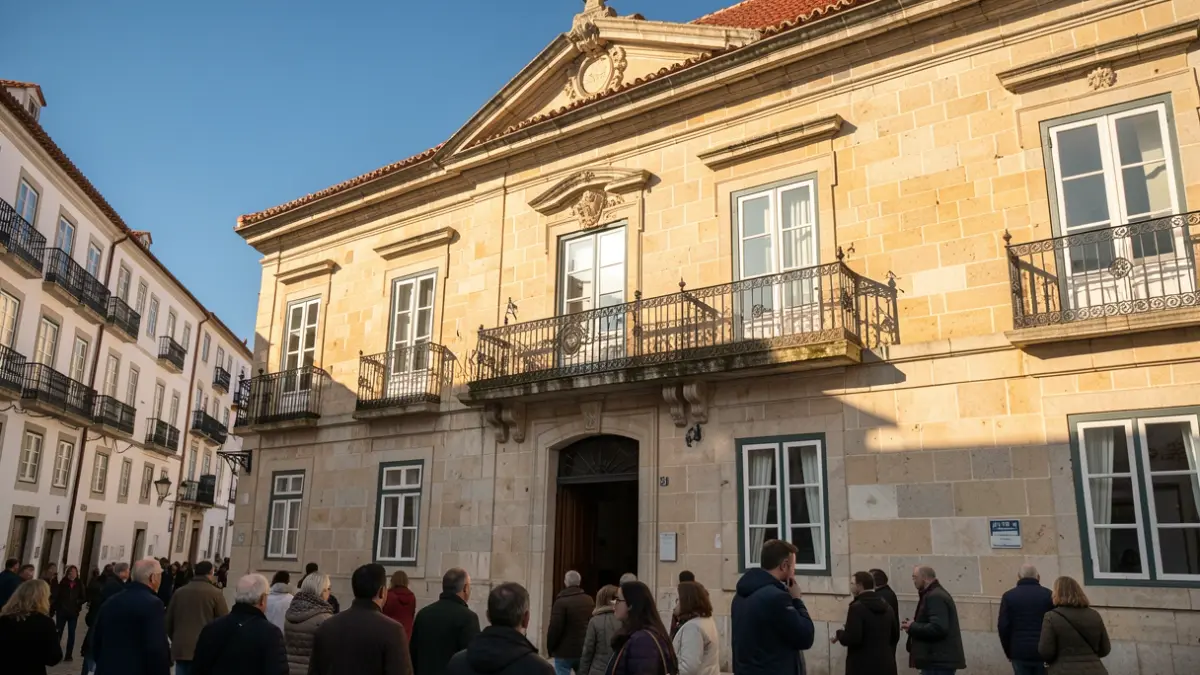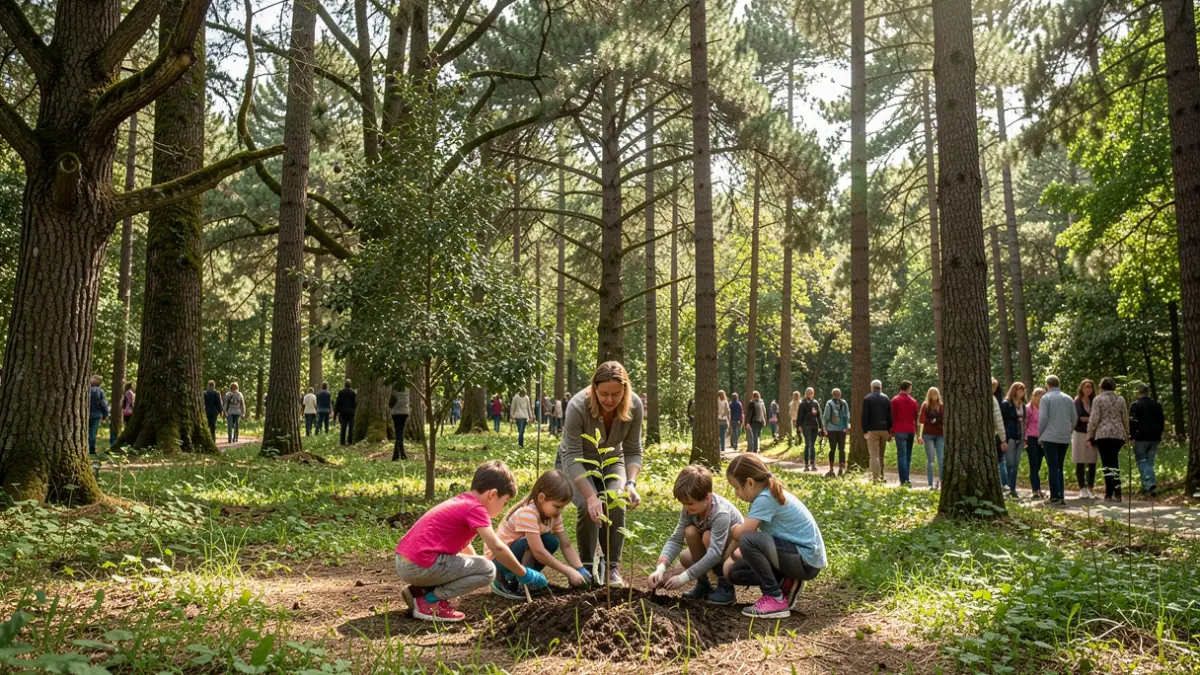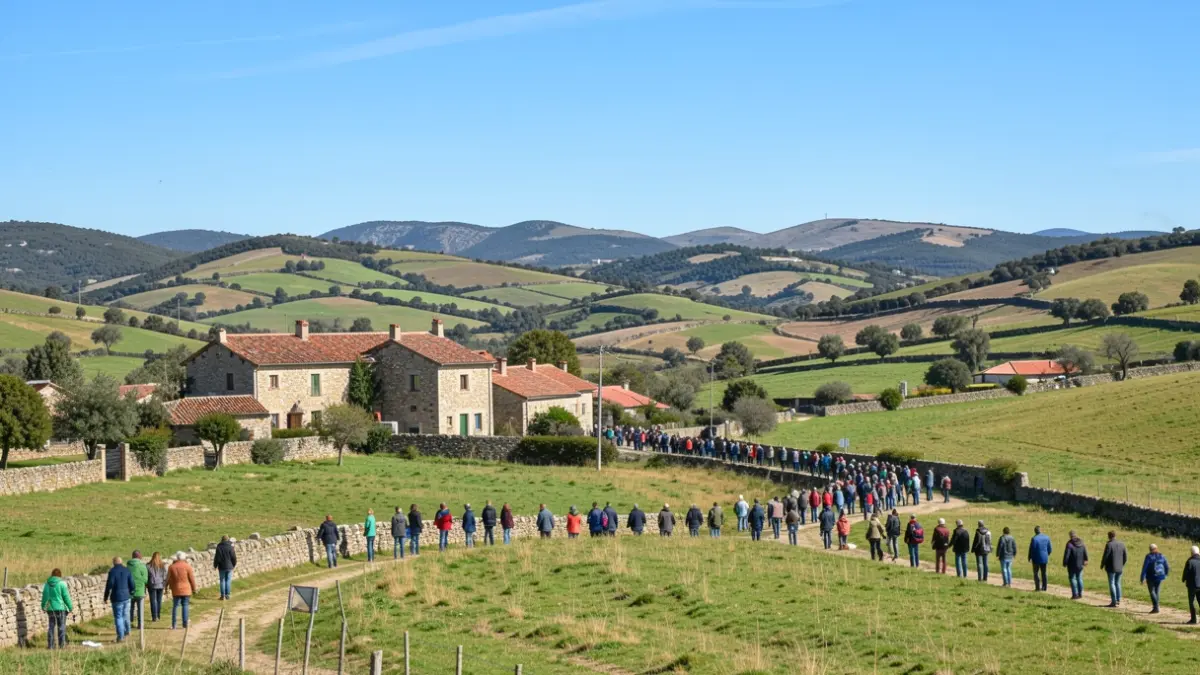
The project, running until September 2028, brings together public, academic, and social entities from Castile and León and the Portuguese region of Trás-os-Montes. The goal is to address challenges such as population loss, demographic aging, difficulties in accessing employment, and barriers affecting people with disabilities and other groups at risk of social exclusion.
Key planned actions include improving the accessibility of the Valdelosa cork oak forest walking trail by creating inclusive routes, and rehabilitating the Valdelosa Cork Oak Interpretation Centre (CIVAL) with upgrades to its facilities and energy efficiency.
The Rural Innovation and Inclusion Centre (CIIR) La Besana will also be developed, offering training programs, professional guidance, and inclusive employment opportunities. This centre will promote skills development in ecotourism, environmental conservation, and the green economy, particularly for people with disabilities and at-risk groups.
TRANSTOURSOCIAL also includes environmental education and sustainable management actions for the cork oak forest, focusing on conservation and responsible valorization of cork. The University of Salamanca will develop an artistic research pilot laboratory to explore new applications of cork in art and design, with dissemination activities in Spain and Portugal.
Cooperation among participating entities will facilitate the sharing of experiences, knowledge, and best practices in inclusion, accessibility, sustainability, and economic development, aiming to foster initiatives that can serve as benchmarks for other rural territories.
Led by the Ayuntamiento de Valdelosa, the project involves ASPAR La Besana, the University of Salamanca, the Intermunicipal Community of Terras de Trás-os-Montes, and the Management of Social Services of Castile and León, with collaboration from the Diputación de Salamanca, SEILA, and CORANE.
With a total budget of 1.17 million euros, the project is co-financed by the European Union through the Interreg VI-A Spain-Portugal (POCTEP) 2021-2027 Programme. The initiative aims to contribute to a rural development model that combines job creation, social inclusion, natural heritage protection, and cross-border cooperation.