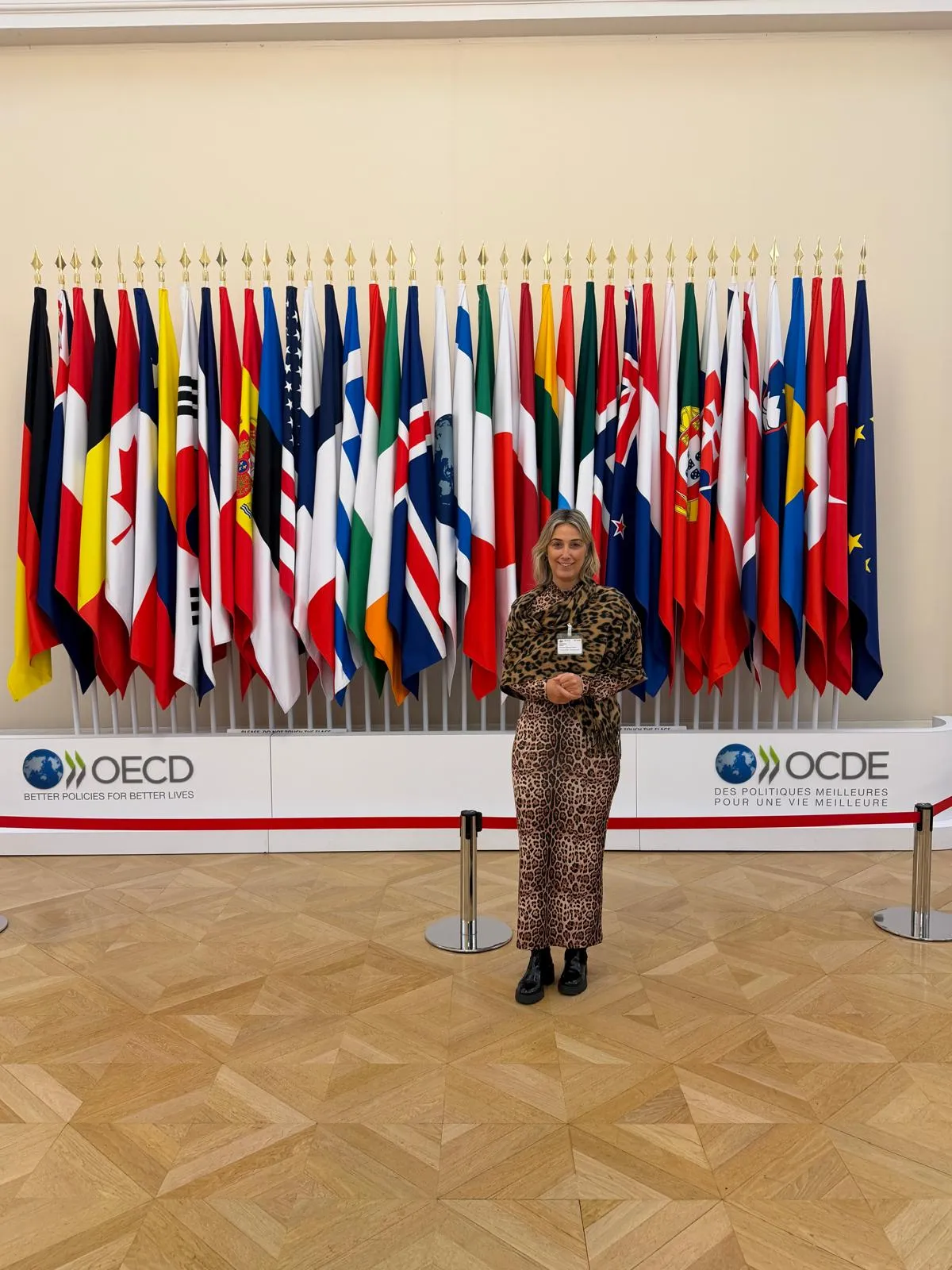
The meeting, held at the OECD headquarters, brings together 30 pilot regions to discuss cross-border strategies. The Municipality of Braganza leads a partnership between Portugal and Spain aiming to develop a joint strategy to combat depopulation and promote the economic and social development of border territories, integrated into the North Iberian Connection project.
The program includes plenary sessions and joint working exercises, where each region will present a challenge related to the development of its respective community-based local development strategy, to share experiences and identify possible solutions.
Funded by the European Commission, through DG REGIO, and developed in cooperation with the OECD, the IMPACT initiative runs between 2026 and 2027. It aims to support cross-border territories in defining joint strategies, strengthening institutional cooperation and public participation.
Through the LOW-DENSITY project, the partnership brings together entities from Northern Portugal and Castilla y León (Spain), aiming to find common responses to demographic challenges such as population aging, loss of inhabitants, and difficulties in accessing services and employment opportunities.
The partnership includes, on the Portuguese side, the Municipality of Braganza, CORANE, and the Association for the Development of the Douro Superior. On the Spanish side, participants include ADISAC-La Voz, ADATA, the Local Action Group of the Montaña de Riaño, and PRINCAL.
Braganza will present how to involve local agents and communities beyond the partner entities, leveraging the networks and knowledge of local action groups on both sides of the border, considering their limited human resources and dependence on funding.
Within the project, working sessions and thematic workshops are planned in the territories covered, with the participation of municipalities, universities, and associations, to identify needs and prepare joint projects. There will also be exchange meetings with other European regions and a final conference.
Among the proposed interventions are solutions for rural housing and on-demand transport, joint forest management, valorization of natural and tourist resources, and professional training projects, including a Cross-border Rural Campus and a Cross-border School of Care.
The joint strategy's priorities include population retention and attraction, youth entrepreneurship, green and bioeconomy-related employment, social innovation, and the development of proximity services.
The project is supported by OECD technical and strategic experts, enabling the preparation of a joint development strategy for the period 2028-2034 and the identification of priority projects for mobilizing future European funding, particularly through the Interreg programs.
Through this participation, the Municipality of Braganza is preparing cooperation with neighboring Spanish territories for the next Interreg program, seeking joint responses to common problems and creating new opportunities in border regions.