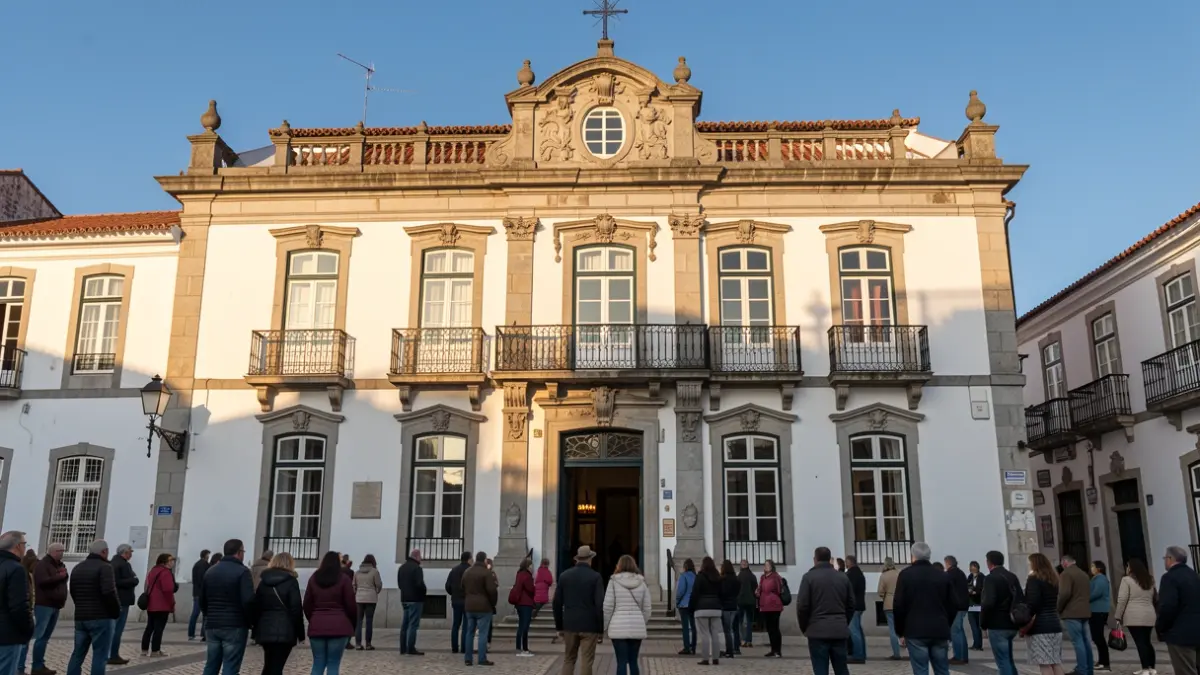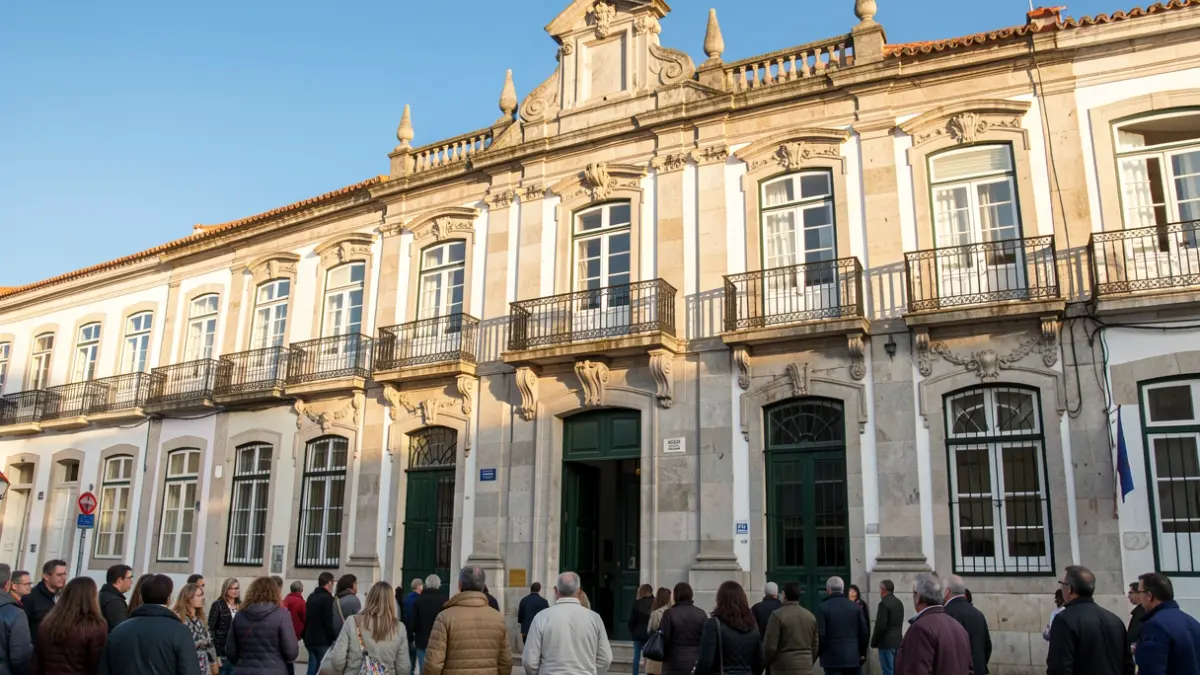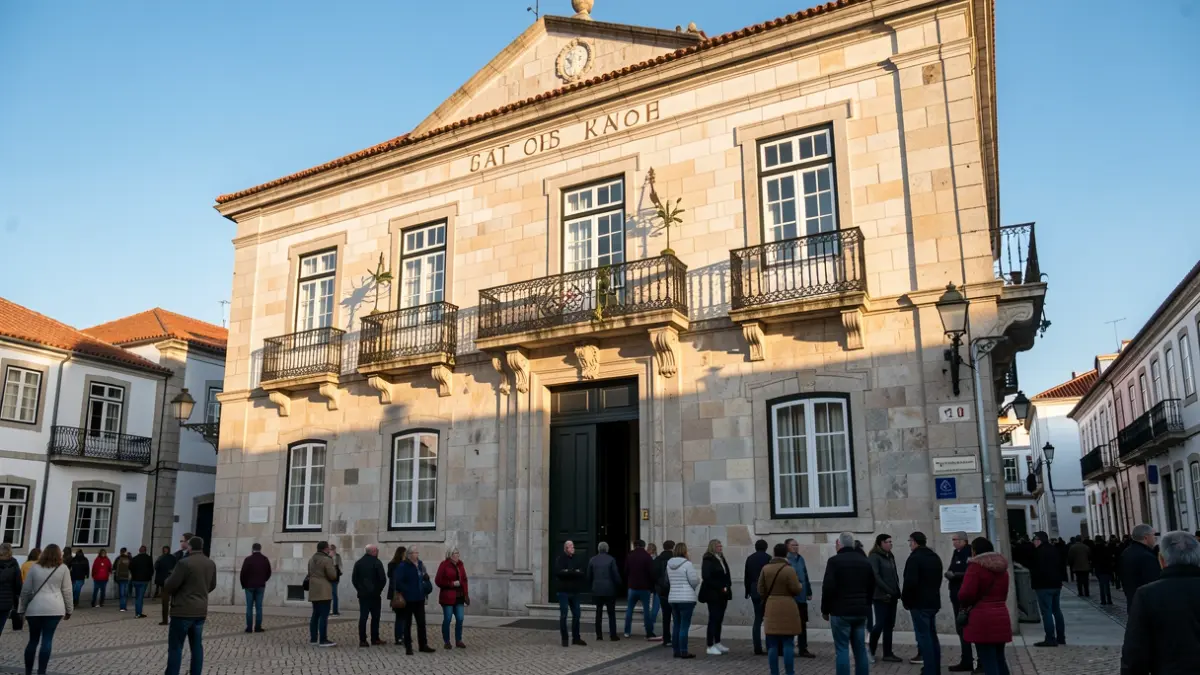
The event, aimed at reflecting on Portuguese history and cultural heritage, gains special institutional prominence with the distinction granted by the President of the Republic, recognizing its national, historical, and scientific scope.
The Maria da Fonte Revolution, which occurred in 1846 and began in Póvoa de Lanhoso, was a landmark in Portuguese History, led by women who fought for dignity and justice. The historical figure was later immortalized in the novel A Maria da Fonte by Camilo Castelo Branco, published in 1885.
After a period of lesser visibility, the figure of Maria da Fonte was recovered after 1974, transforming Póvoa de Lanhoso into a "territory of memory, freedom, and culture". The congress proposes a revisit to the social, political, and educational meanings of this legacy.
The congress will adopt a hybrid format (in-person and online) and will be structured around three fundamental axes: Historical, reinterpreting the events and the role of women; Literary, analyzing the work of Camilo Castelo Branco; and Education, focusing on the approach of Maria da Fonte in curricular programs and the transmission of values of citizenship and equality.
Thirty years after a significant congress on the revolt, Póvoa de Lanhoso is once again opening its doors to debate. The event involves the Maria da Fonte Interpretive Centre, the Institute of Education of the University of Minho, and the Camilian Studies Centre.