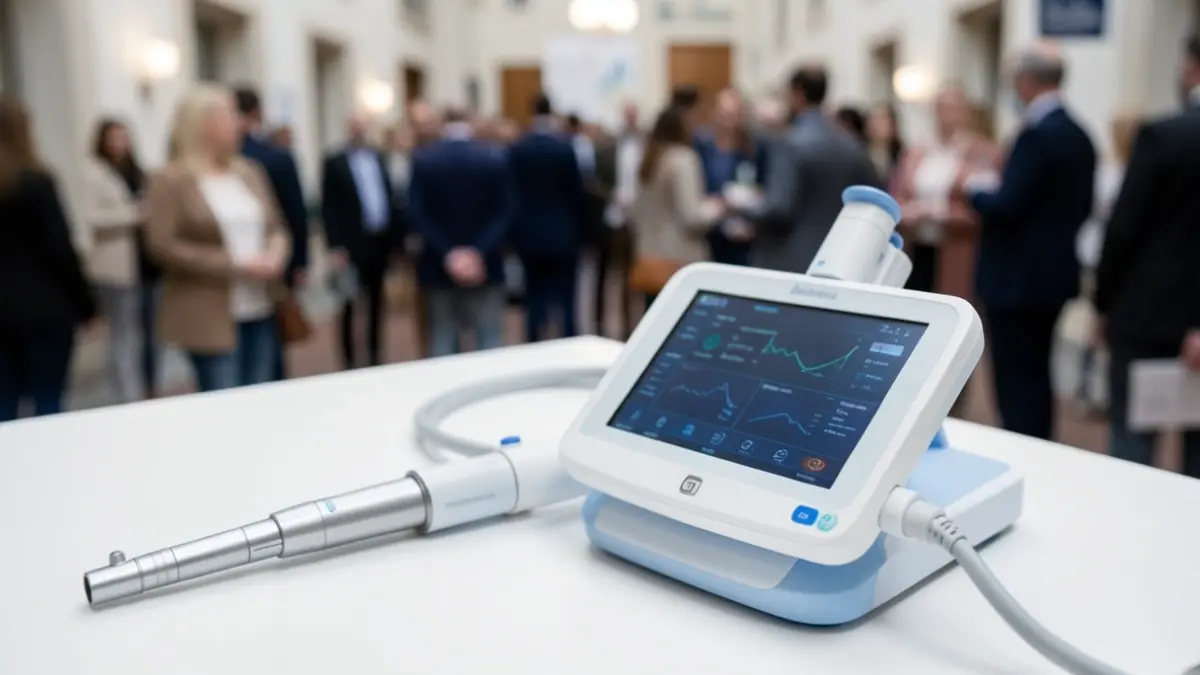
The system was developed to guide healthcare professionals during bronchial biopsies, facilitating access to lesions located in peripheral and hard-to-reach areas of the lung. The technology represents an advance in the precision of bronchoscopy procedures and could contribute to increasing the capacity for early lung cancer diagnosis.
One of the main advantages of this solution lies in the possibility of obtaining tissue samples with greater precision, increasing diagnostic yield and reducing the need to resort to more invasive alternative techniques. This approach could translate into benefits for patient safety, comfort, and recovery.
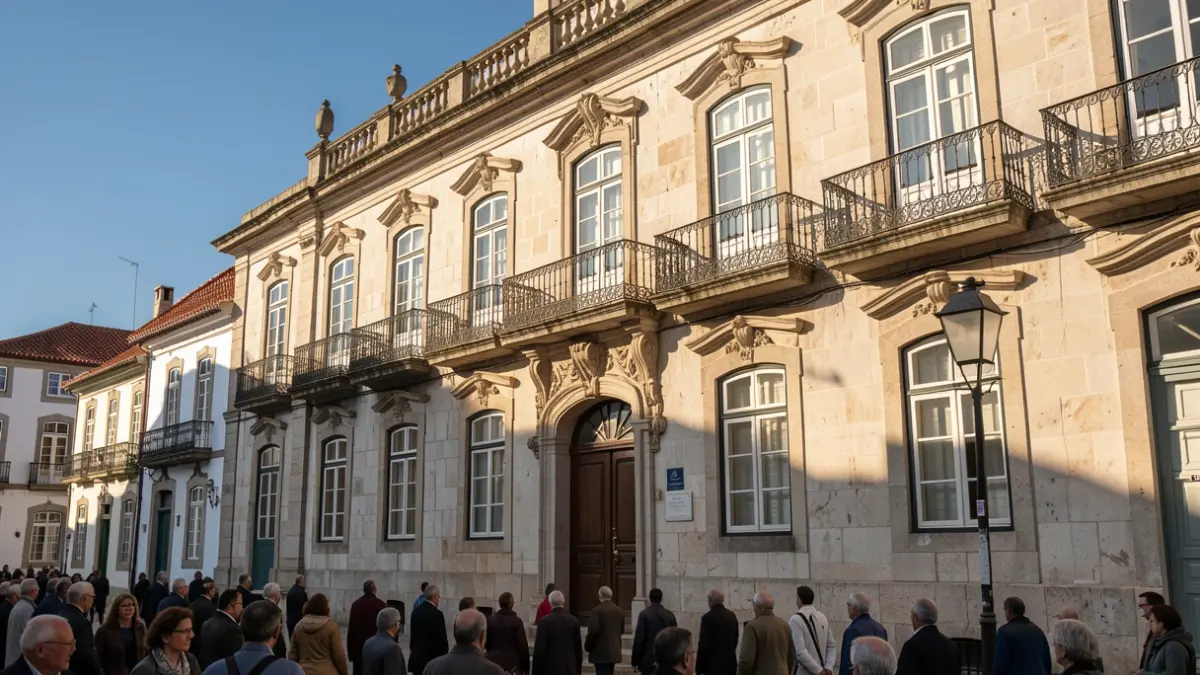
The trial conducted at ULS Alto Ave also allowed for the evaluation of the system's integration with equipment and technical means commonly used in hospital clinical practice, with specialized technical support. The procedure involved a multidisciplinary team from the Pneumology, Radiology, and Anesthesiology services, whose collaboration was essential to ensure the necessary clinical and safety conditions.