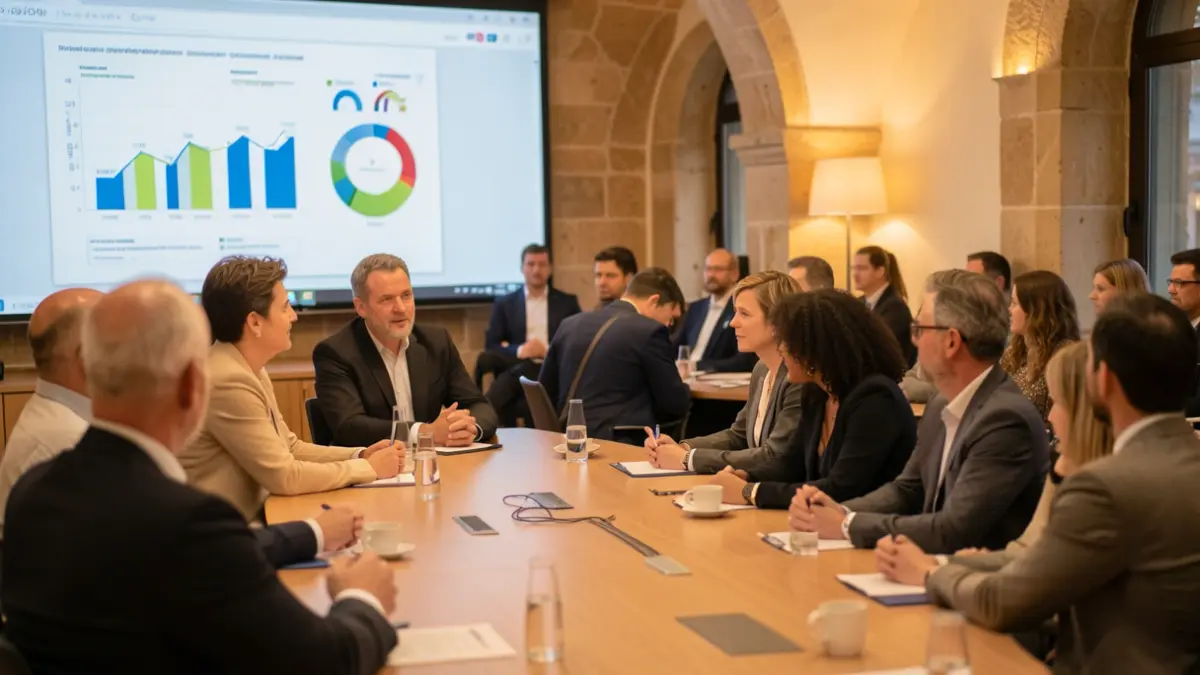
The meeting generated significant interest due to its relevance in safeguarding collections, from a perspective of prevention and planning, bringing together members of the Lower Alentejo Museums Network and other institutions.
The morning panel, "Safeguarding and protection of memory and identity", featured anthropologist Carlos Pedro with the communication "A rural world without rural people: some questions about Rural Heritage", and researcher Florência Cacete, with "From physical risk to digital risk: challenges of the digital transition in the safeguarding and management of rural/local museological heritage". Topics covered included the current rural world, museums related to rurality, and the challenges of digital transition applied to intangible heritage.
In the afternoon, the panel "Risk prevention in museums: how to protect collections" presented the case of Alcácer do Sal, with the communication "Between water and memory: the floods in Alcácer do Sal and their impact on Archaeological Heritage", by Rita Balona. Diana Carvalho, from the Portuguese Museums Network, and Mário Ferreira, Deputy Chief of the Lisbon Fire Brigade Regiment, presented "training to protect: from diagnosis to safeguarding", highlighting the importance of training and developing risk and management plans for the preservation of collections.
The debate raised questions related to the importance of diagnosis, knowledge of territories, buildings, and collections, the challenges posed by environmental issues and climate change, as well as those related to societal changes and technological advancements. The Meeting served as an important moment for sharing and exchanging ideas and experiences, consolidating knowledge and valuing network work.