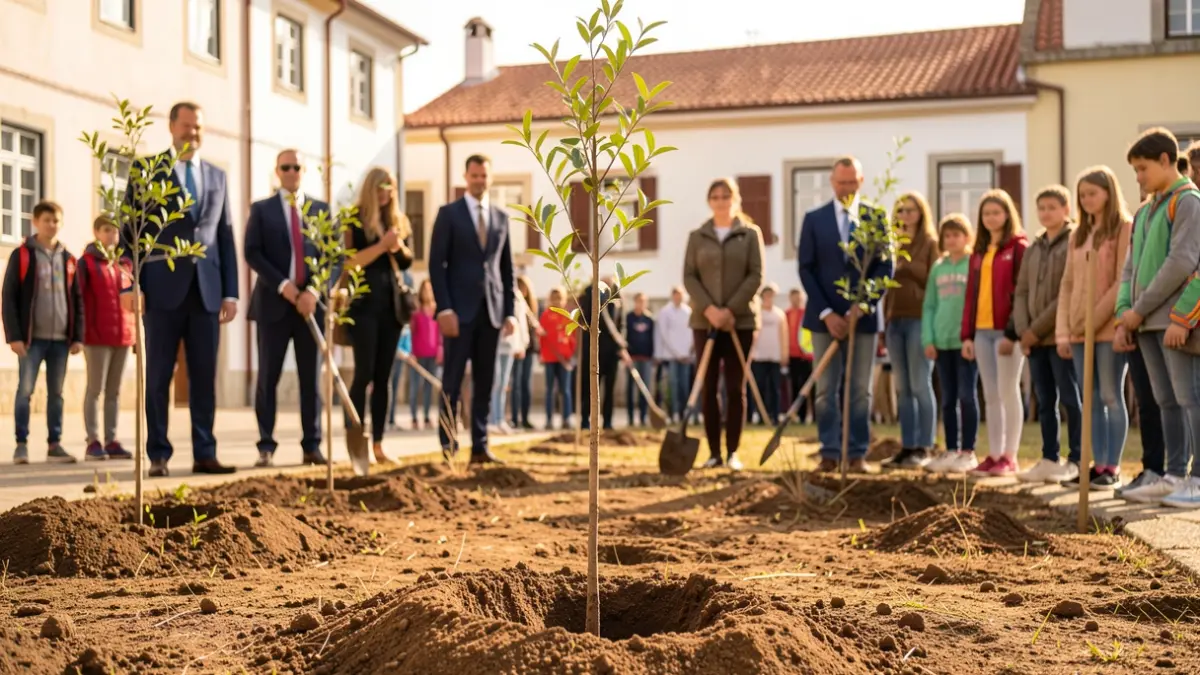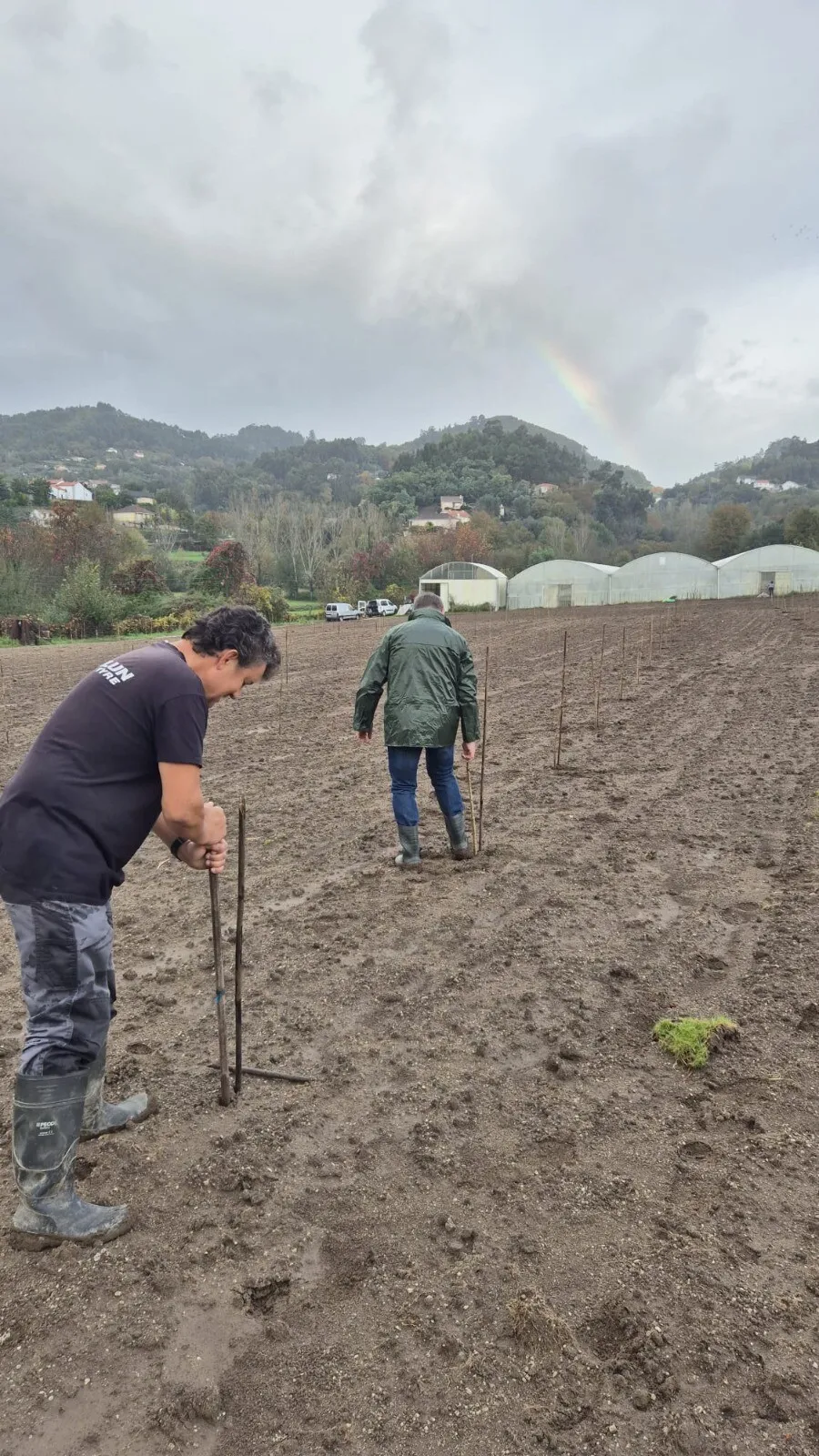
In partnership with the Agricultural Cooperative of Arcos de Valdevez and Ponte da Barca and the company Meridiano, the initiative seeks to evaluate the productive potential of this species in the municipality and diversify farmers' income.
Traditionally present in the rural landscape of the Alto Minho, elderberry has an as-yet underexplored agricultural potential. The first phase of the project included the establishment of an experimental plantation with plant material from different origins in Portugal and Spain, with plans to include European specimens.
The goal is to monitor and compare the performance of different origins, assessing their adaptation to the soil and climate conditions of Arcos de Valdevez, vegetative development, and productivity, to identify the most promising materials and support future expansion of the crop.
The economic interest in elderberry has been growing due to the diverse applications of its flowers and fruits in sectors such as beverages, cosmetics, natural colorants, and food supplements, opening up market prospects and creating new value chains.
Beyond its economic potential, valuing this species can contribute to biodiversity preservation, agricultural diversification, and the recovery of traditional rural landscape elements, promoting more sustainable resource use.
The partnership between the Municipality, the Agricultural Cooperative, and Meridiano is central to articulating knowledge and expertise in agricultural experimentation and the evaluation of new opportunities for local resource valorization.
With this initiative, the Municipality of Arcos de Valdevez reinforces its commitment to innovation and the valorization of endogenous resources, reconciling the preservation of rural heritage with innovation and sustainability.