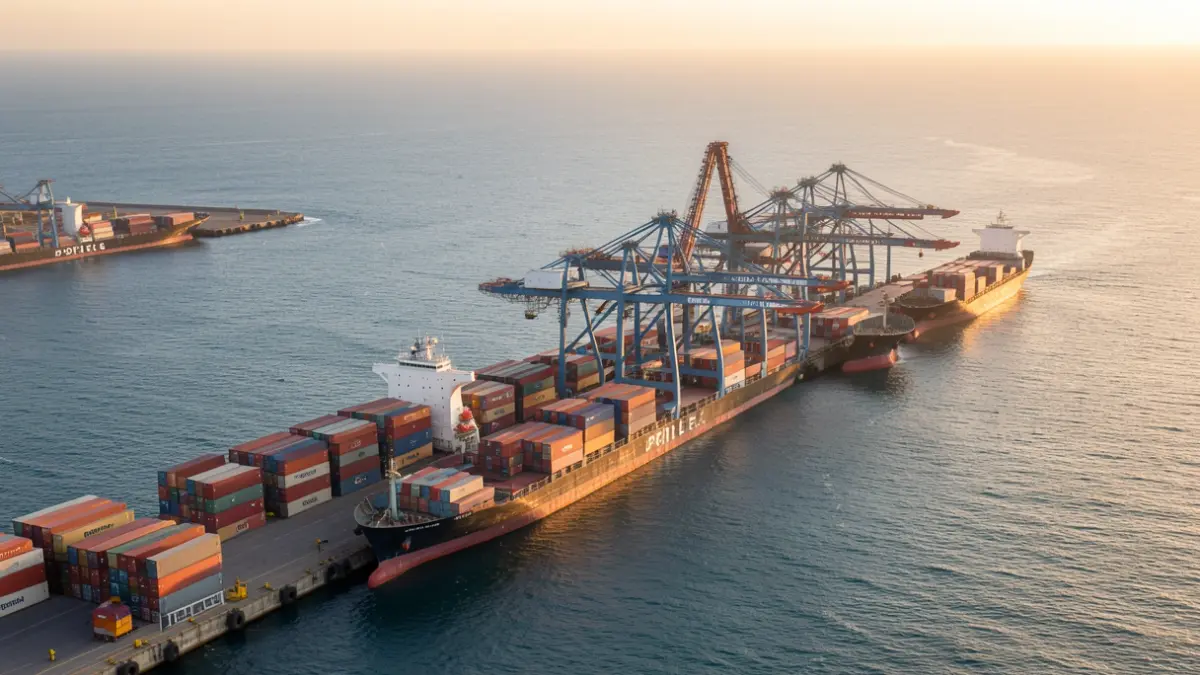
The citrus import campaign, which took place between May and October 2026, recorded a significant improvement in reefer container dwell times at the port, with a reduction of around 40%. This positive outcome served as the impetus for the meeting of the working group led by APS (Administration of the Ports of Sines and the Algarve), established with the aim of optimizing the performance of the Port of Sines during this seasonal peak.
The working group brings together several essential economic players in the process, including the DGAV – Directorate-General for Food and Veterinary Affairs, the AT – Tax and Customs Authority, PSA Sines, MSC, representatives from Agepor, the Ordem dos Despachantes (Customs Brokers Association), and the CPLS – Port and Logistics Community of Sines, as well as logistics companies located in ZALSINES.
The improvement in operational indices in 2026 is the result of the collaborative effort of all stakeholders and concerted planning to meet the demands of the seasonal peak, leading to efficiency gains applicable throughout the year. Although the volumes handled registered a slight decrease compared to the previous year, more effective coordination between the entities involved in the different import phases has improved operational response capacity.
These positive prospects pave the way for the 2027 campaign and for attracting other refrigerated cargo. The Port of Sines continues to assert itself as a gateway to the European market for this type of cargo, primarily originating from South Africa, with a large portion destined for the Spanish market, reinforcing the Port of Sines' position within the Iberian hinterland.