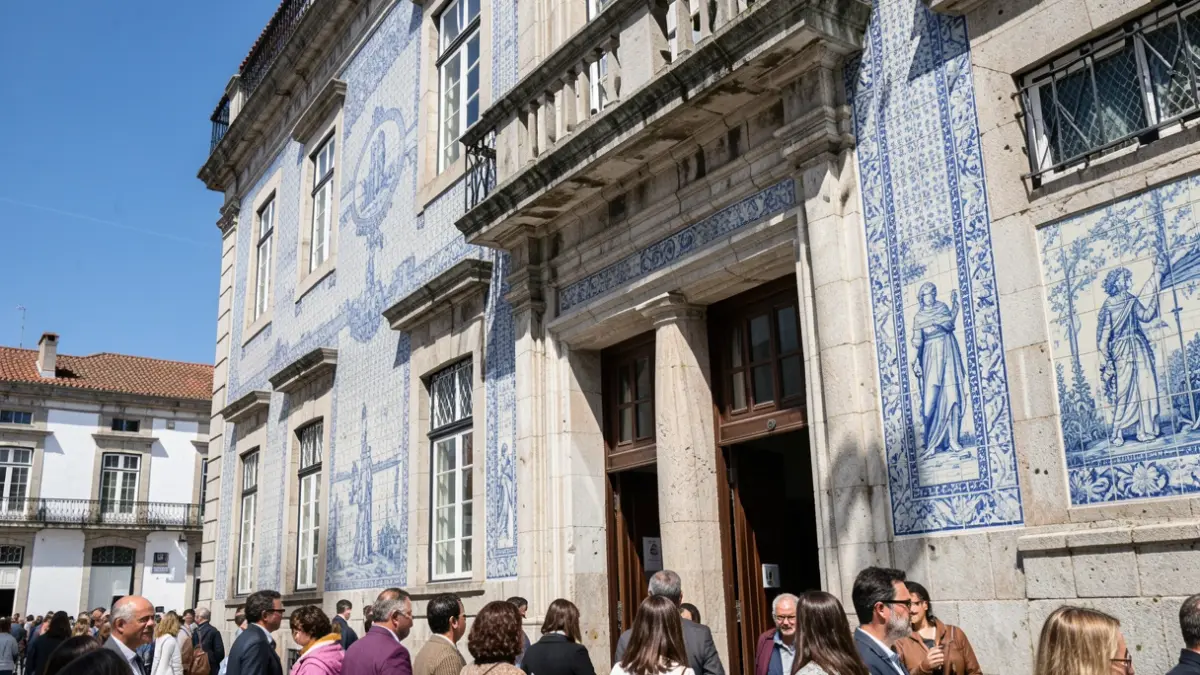
The agreement, signed by UNIPS rector Ângela Lemos and HyLab executive director Ricardo Rato, establishes a framework for cooperation to combine the scientific, technical, and human expertise of both institutions, creating opportunities for UNIPS students, faculty, and researchers in joint activities and projects.
Collaboration modalities include internships, training programs, research and innovation projects, sharing of resources, including laboratories, and cooperation in scientific observation and control activities. HyLab may also award scholarships or research grants to UNIPS students and support master's and doctoral programs.
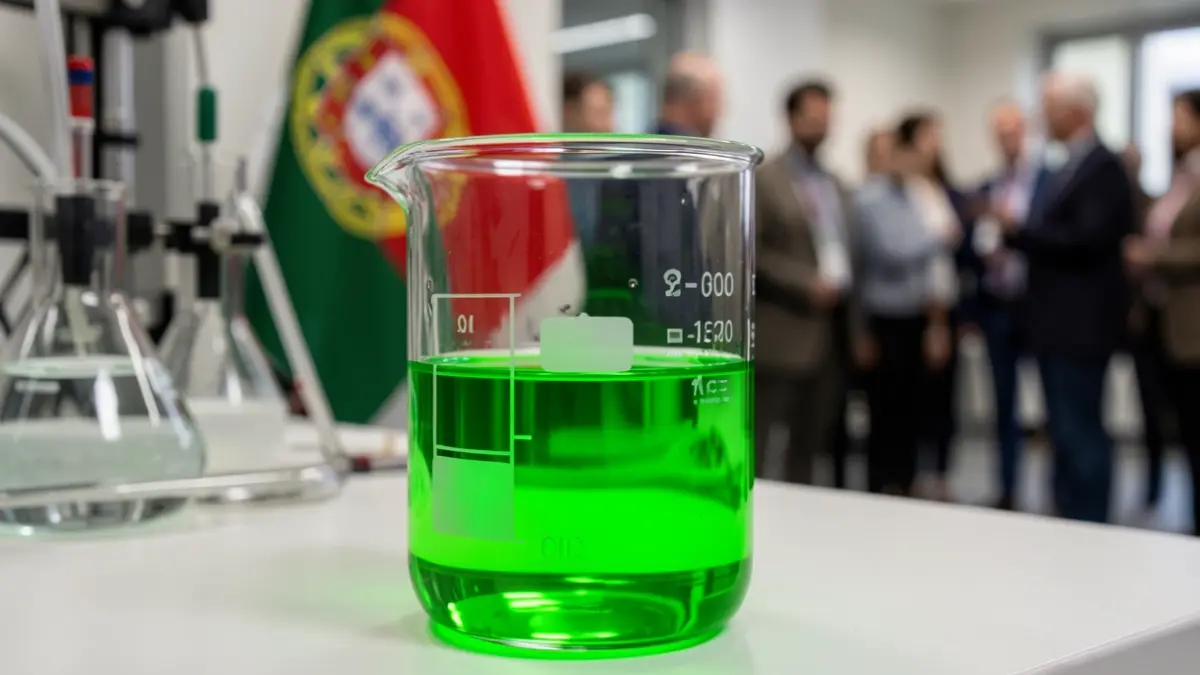
Mechanisms to facilitate accommodation for participants in joint activities are also planned, particularly through the use of university residences, especially the residence in Sines. HyLab, based in Sines, is a collaborative laboratory dedicated to green hydrogen, serving as a reference center for research, development, and innovation in this domain.
With this protocol, UNIPS reinforces its connection to a strategic sector for energy transition and sustainability, promoting articulation between Higher Education and the business community, notably through its School of Sustainability, Industry, and Digital Technologies (ESSITD-UNIPS), to be established in Sines.
For UNIPS rector, this partnership "represents an important step in strengthening our research and innovation capacity, as well as our connection to strategic sectors for sustainable development." "We want to create concrete opportunities for our students, faculty, and researchers and contribute to establishing Sines as a hub of knowledge, innovation, and training for the challenges of sustainability and the industry of the future," she added.