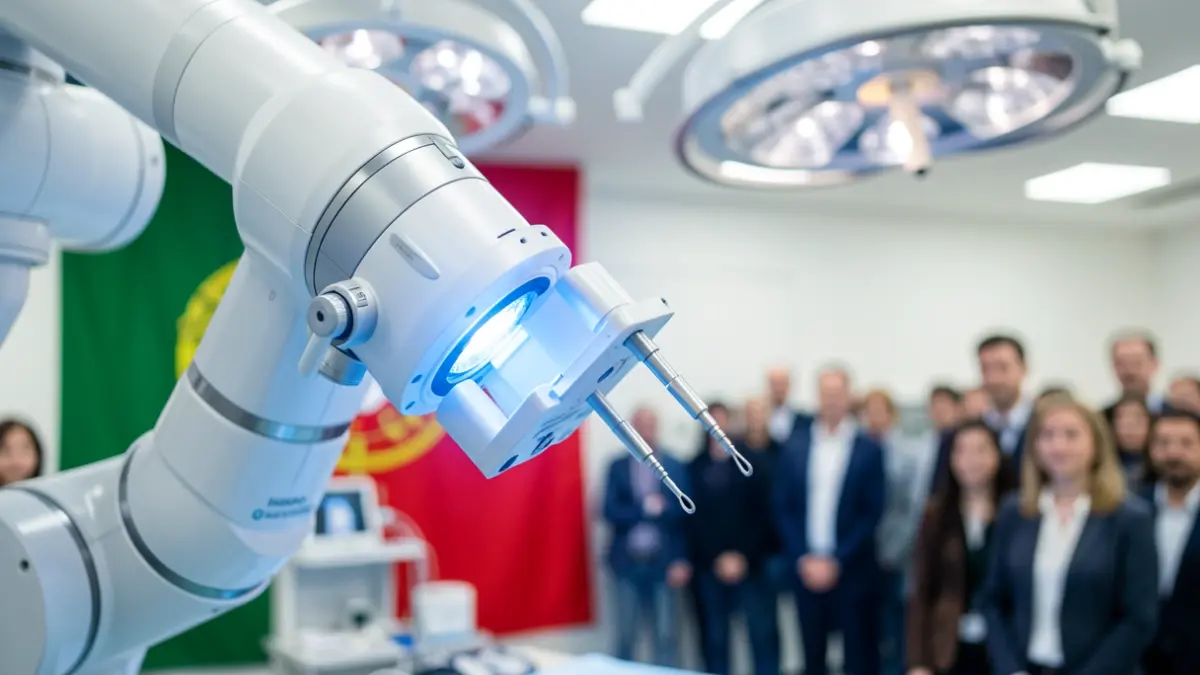
The first intervention took place in the Urology specialty, using a state-of-the-art robotic surgery system. This technology enables minimally invasive procedures with high precision, greater control of surgical movements, and offers advantages such as better clinical outcomes, reduced risk of complications, and faster patient recovery.
Initially, the equipment will be used in Urology, with plans for future extension to Gynecology and General Surgery, progressively expanding access to this advanced technology.
Nuno Pires, Director of the Urology Service, highlighted that robotic surgery represents a significant evolution from laparoscopic surgery, providing better working conditions and greater precision. He emphasized the technology's potential to improve surgical results, increase intervention effectiveness, and reduce complications.
The implementation of the system included a specialized training program in Belgium, which qualified two surgeons and two nurses. The first surgery was performed by urologist Joana Polido, with the participation of Carla Soares (urologist), Carolina Henriques (anesthesiologist), Paula Neves, Joana Cardoso, Gonçalo Cavaco (nurses), and Teresa Neto (health auxiliary technician), with urologist José Preza Fernandes as the trainer.
With an investment of 2,398,500 euros, the acquisition of this equipment modernizes ULSAR and strengthens its response capacity. This investment, funded by the Recovery and Resilience Plan (PRR), aims to enhance the differentiation of surgical care and create new treatment opportunities for patients.