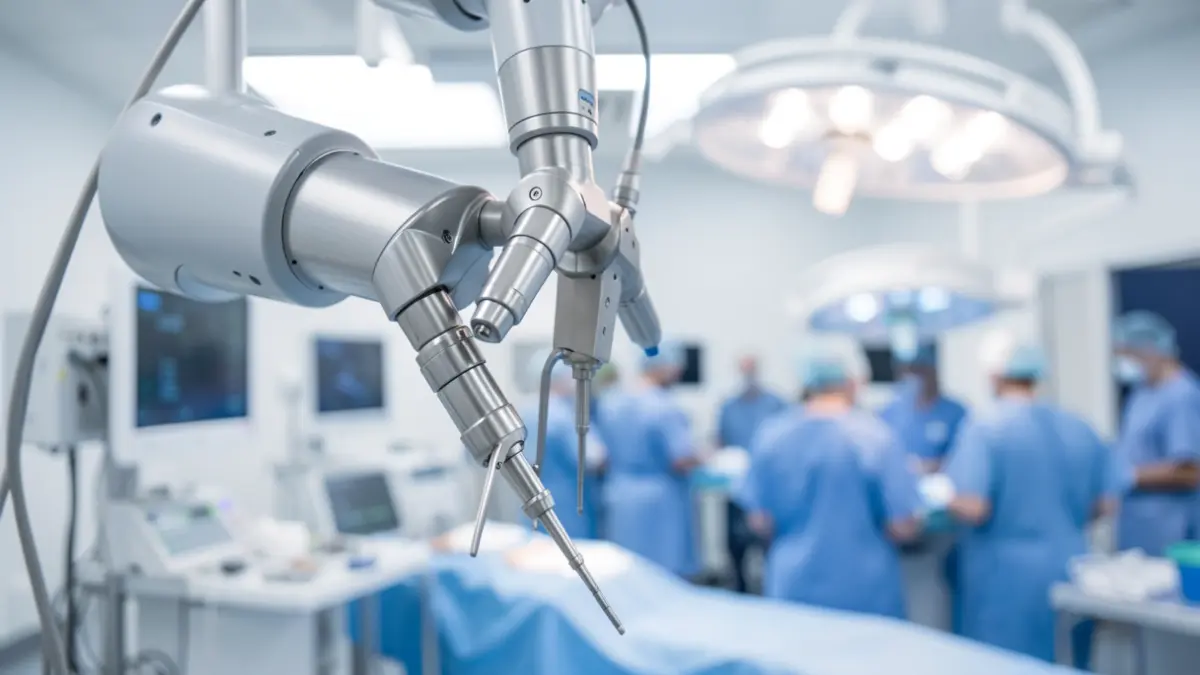
The introduction of this technology represents a milestone in the modernisation of the institution and the qualification of professionals. Robotic surgery allows the surgeon to perform high-precision movements, particularly in complex pelvic procedures, through articulated instruments and enhanced three-dimensional visualisation. This minimally invasive approach contributes to less surgical trauma, reduced blood loss, shorter hospital stays and faster recovery, with less pain and better quality of life post-operatively.
At ULSAR, robotic gynecological surgery is currently performed by doctors Cristiana Gonçalves and Ana Cláudia Lopes. The technique is indicated for various pathologies, including uterine fibroids, adenomyosis, endometriosis, benign ovarian tumours, pelvic floor pathology, urogynecology and abnormal uterine bleeding.
“"The start of robotic surgery in Gynecology constitutes a relevant milestone for the Service, representing the result of an investment in technical differentiation, the modernisation of surgical activity and the improvement of care provided to our patients."
The Director of the Women and Children's Department highlights that this activity allows for an expanded capacity to respond to more complex clinical situations and reinforces the commitment to precision medicine, centred on the quality and safety of care. This advance follows the first robotic surgery performed at ULSAR on 12 October, in the urology specialty.
The acquisition of the surgical robot resulted from a bid submitted by ULSAR to the RRP, under the measure for the acquisition of Heavy Medical Equipment and Robotic Surgical Systems for units of the National Health Service (NHS). The aim is to broaden the differentiation of surgical care and create treatment opportunities, enabling more users to access advanced procedures at their reference institution.