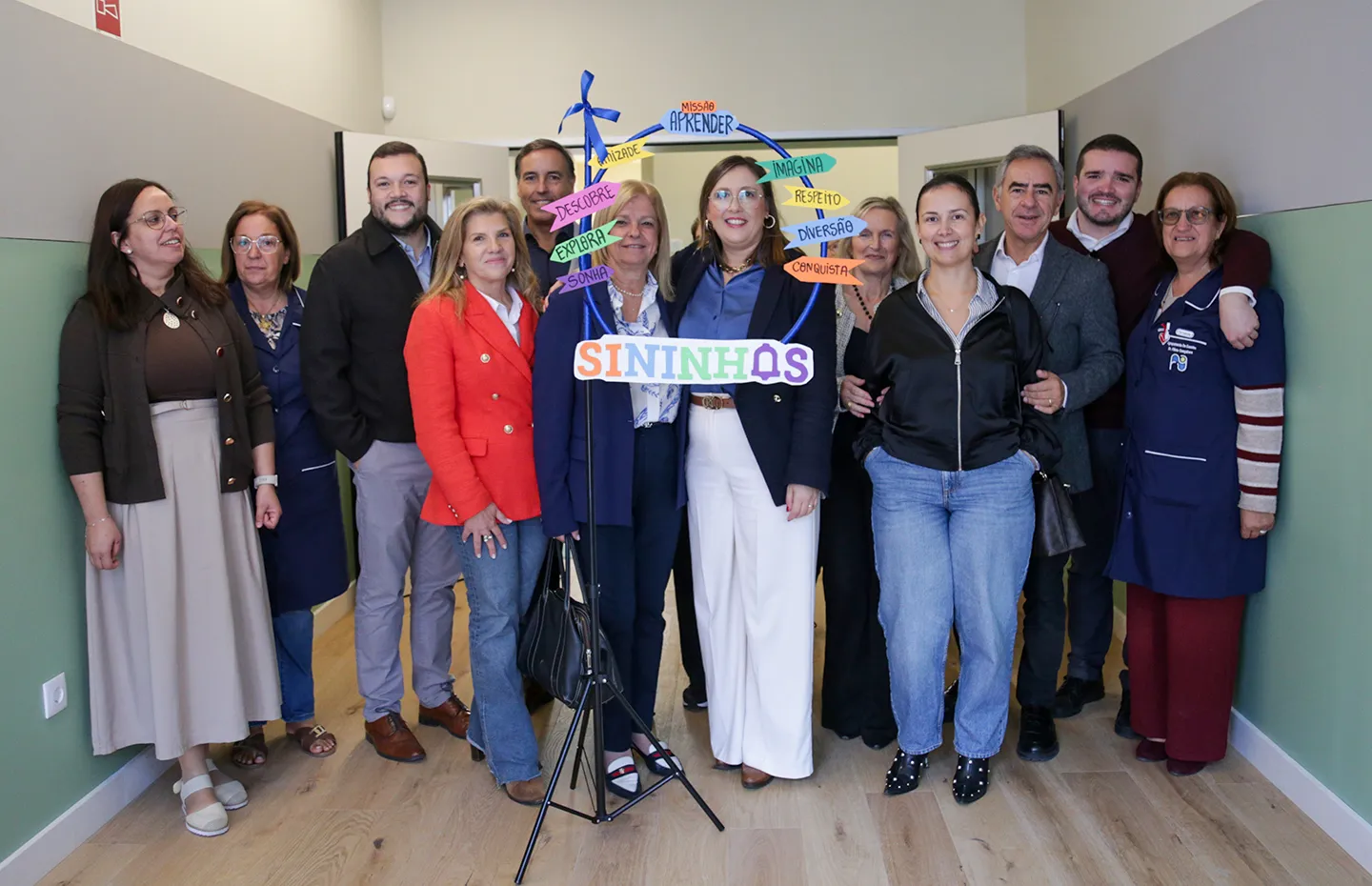
Open Science should be more than just sharing scientific data and results; it must be based on ethics, integrity, and responsibility. This was one of the central ideas at the U.Porto 2026 Open Science Days, held on October 21st at the Edifício Abel Salazar, under the theme “For Transparent and Responsible Research”.
The Vice-Rector for Research and Knowledge Valorisation, Ana Paula Pêgo, stressed that “there is no point in sharing for the sake of sharing,” emphasizing the importance of producing science “with ethical awareness” and “awareness of integrity.” At the opening of the second edition of the Days, she highlighted the increased participation and advocated for a science that is “more democratic,” more permeable to society, and capable of responding to current challenges.
The Vice-Rector for Digital Infrastructures and Digital Transformation, Alípio Jorge, went further, stating that “science, to be science, must be open.” He noted that while digital tools have enabled greater sharing of articles and data and collaborative work, new challenges have also emerged. “The solutions are not technological; they are solutions from the scientific community, from society, with ethics, with the rigorous application of the scientific method,” he explained.
Throughout the day, the Days discussed topics such as ethics, integrity, and compliance in research, Open Science practices in scientific projects, and the challenges posed by Artificial Intelligence. The initiative was organized by GDI of UPdigital and the Research and Projects Service (SIP) of U.Porto.