The Mediterranean diet, recognized by UNESCO as Intangible Cultural Heritage of Humanity, is more than a way of eating; it is a lifestyle that values sharing meals, using local and seasonal products, and gastronomic tradition.
On November 17, nutrition professionals from SESARAM conducted an awareness campaign for users and staff, emphasizing the importance of the Mediterranean diet as a healthy, sustainable, and culturally rich dietary model.
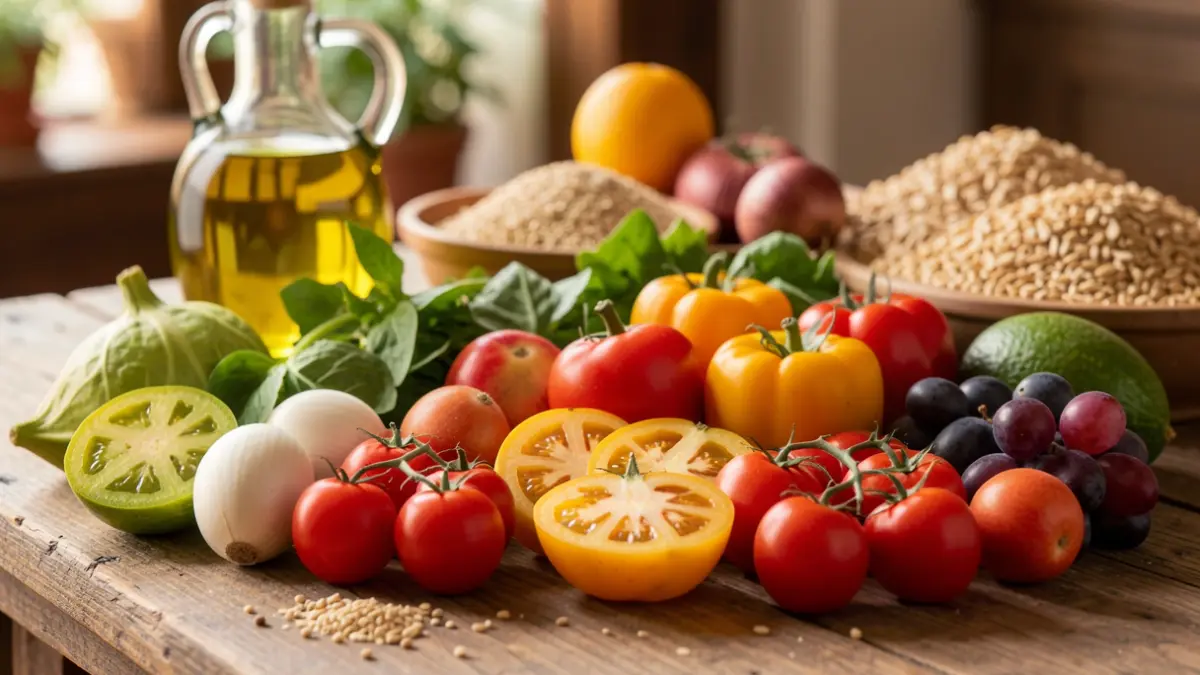
The Mediterranean diet is characterized by daily consumption of vegetables, fruit, and whole grains; consumption more than three times a week of legumes, fish, nuts, and oilseeds; water as the primary beverage; olive oil as the main fat source; and minimal consumption of red meat, ultra-processed foods, sweets, soft drinks, and pastries.
Adherence to this diet is associated with a high intake of fiber, vitamins, minerals, and antioxidant compounds, a lower risk of cardiovascular diseases, better weight and diabetes control, and benefits for brain health and healthy aging.