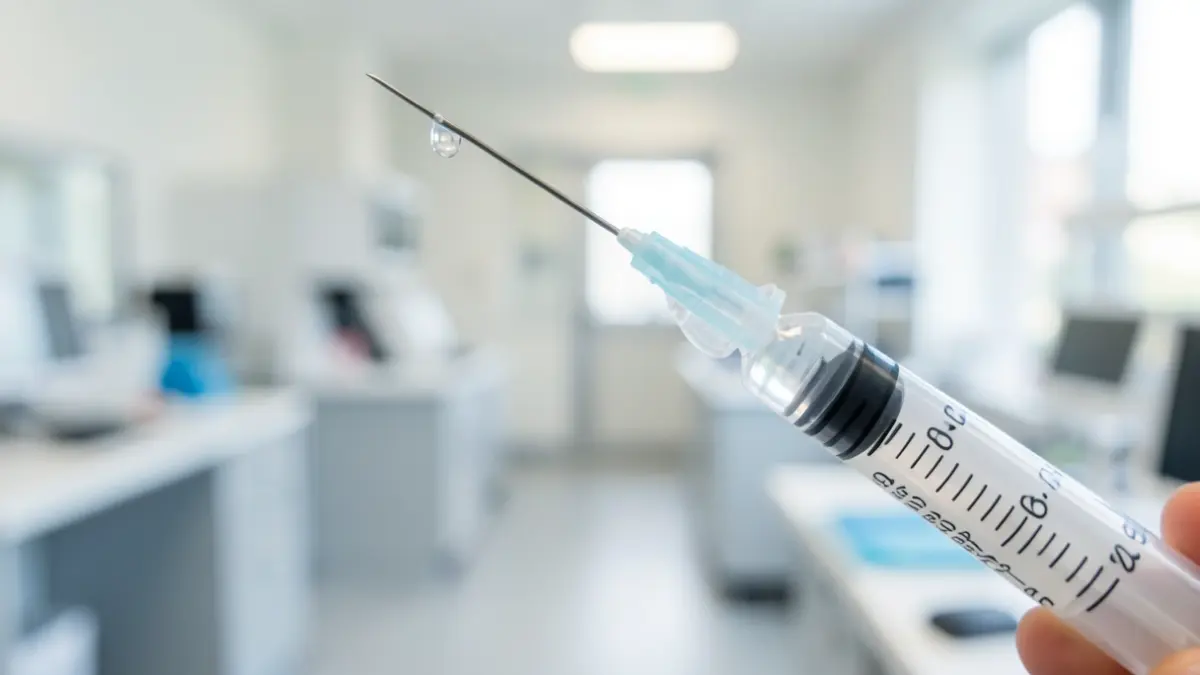
The Regional Secretary for Health and Civil Protection, Micaela Fonseca de Freitas, announced that the necessary conditions have been established for the administration of CAR-T Cell therapies within the Regional Health Service, removing the need for cancer patients to travel to the mainland for these treatments.
The official made these remarks during the opening session of ‘HemaOnco Day 2026’, an initiative organized by the School of Health Sciences of the University of Madeira in partnership with SESARAM. The event, focused on ‘Challenges and perspectives of cell therapies’, brought together health professionals, researchers, and students in Funchal to discuss the latest advancements in treating hematological pathologies.
Micaela Fonseca de Freitas highlighted the revolutionary nature of these cutting-edge genetic therapies in combating blood cancers, emphasizing that "geographical distance must not translate into therapeutic distance" for citizens.
An investment of 200,000 euros, made by the Regional Government, has funded the creation of a Cryobiology Room at SESARAM. This facility will enable the Region to perform these treatments, pending the necessary authorization from the competent bodies. The measure aims to optimize resources, reduce travel to mainland reference centers, and alleviate the psychosocial burden that territorial separation and routine disruption impose on patients and their families.
The Regional Secretary further stressed that medical innovation finds its true value in human gain, restoring autonomy, quality of life, and time. She concluded with an appeal focused on prevention and early diagnosis as the foundation of public health and the sustainability of the regional system.