The Rural Mobility project aims to develop mobility solutions tailored to the needs of rural territories, combining Intelligent Transport Systems (ITS) and innovative public policies. The goal is to ensure that residents in rural areas have access to transport, employment, education, and services.
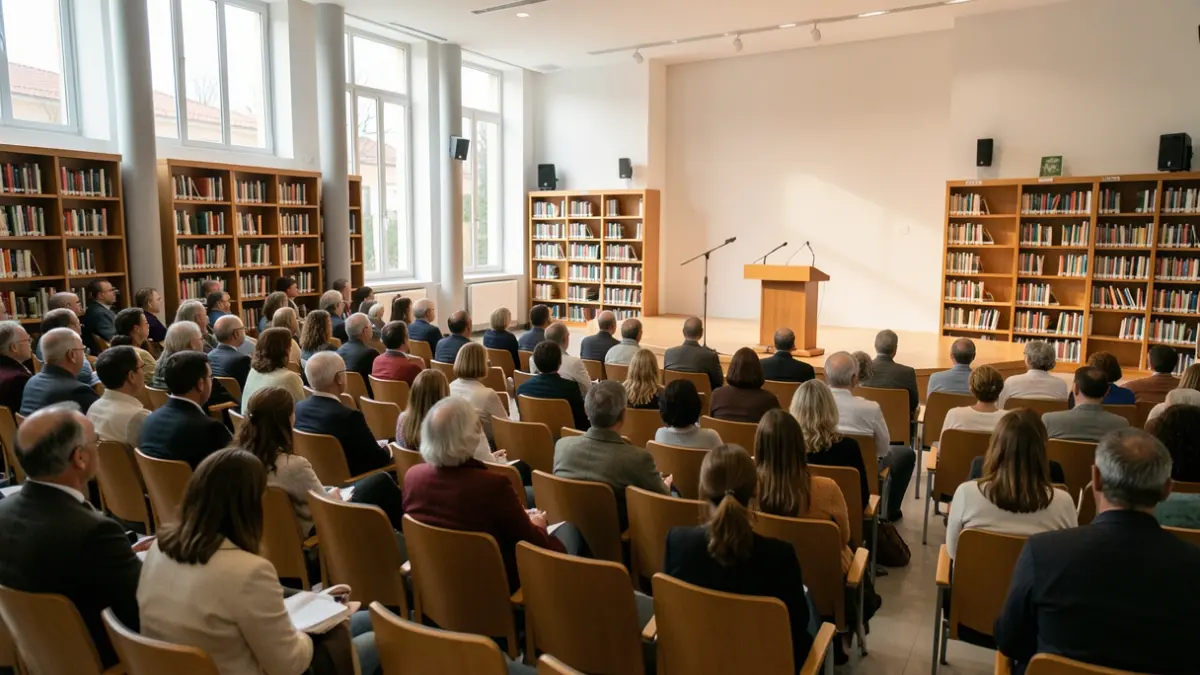
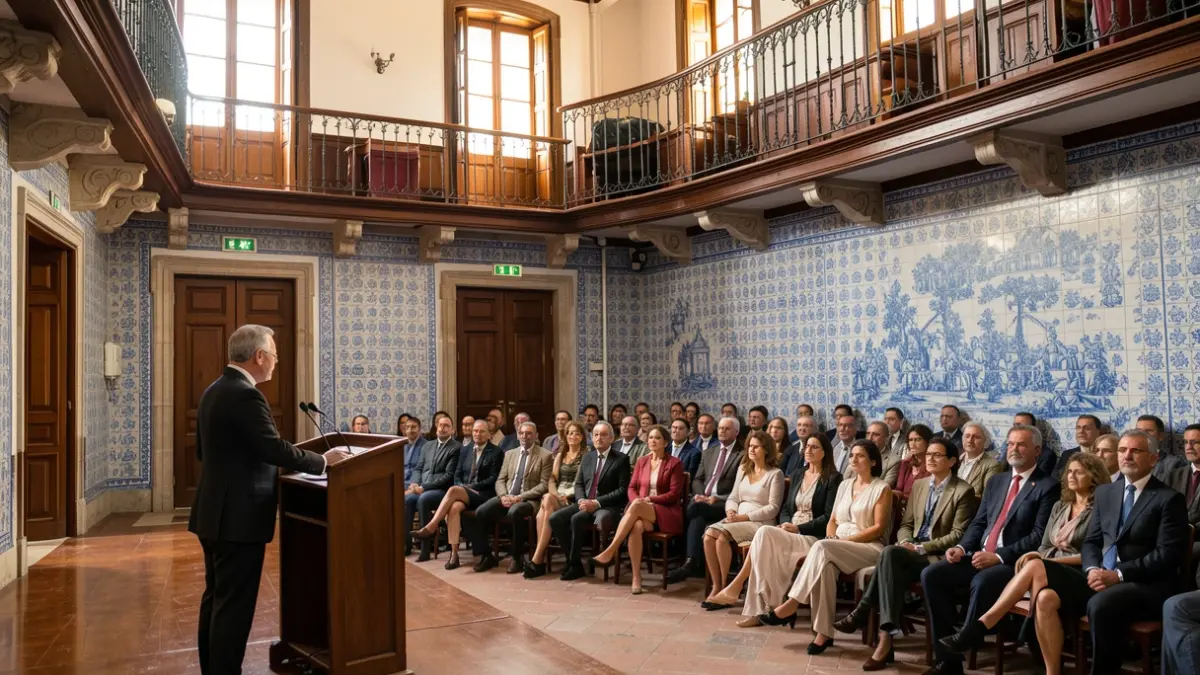
Between October 7th and 9th, TML – Transportes Metropolitanos de Lisboa hosted the project's sixth in-person meeting in Lisbon, bringing together around 20 representatives from various countries to share experiences and plan the initiative's next steps.
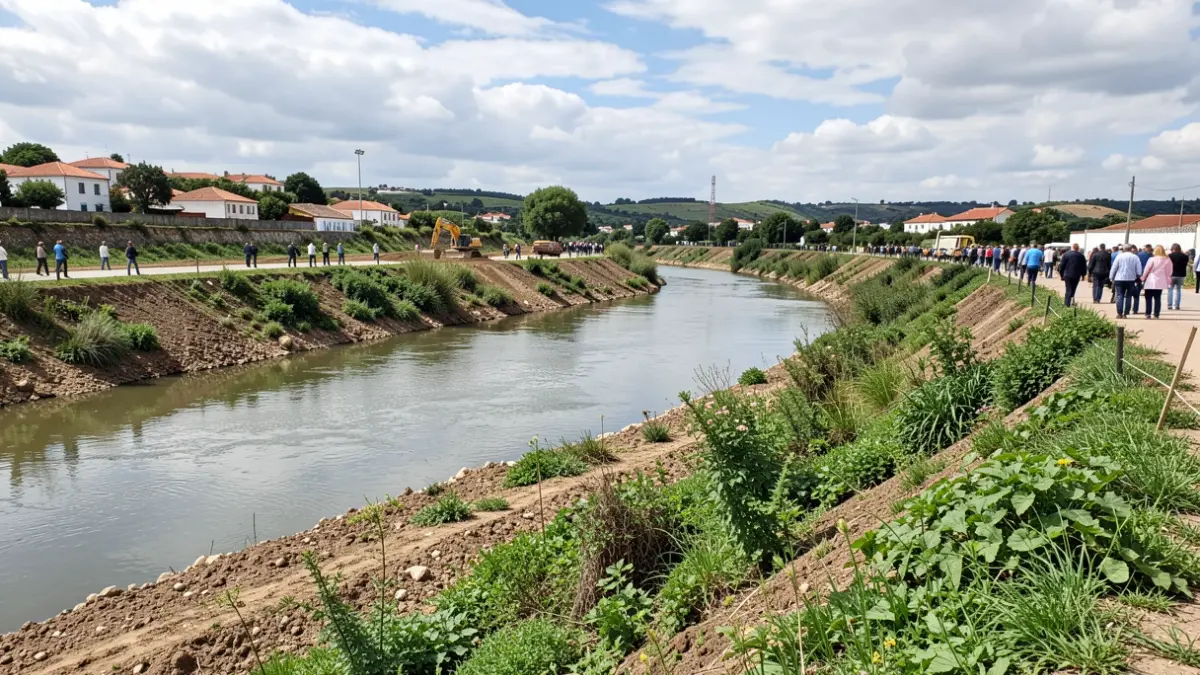
A key moment of the meeting was the technical visit to Pinhal Novo, in the municipality of Palmela, where TML's second demand-responsive transport (DRT) pilot project could be implemented. The solution under study proposes a free-floating model to connect different points of the territory to the Pinhal Novo railway station, addressing mobility needs in rural, peri-urban, and urban areas.
This pilot, funded by the Interreg Europe program, reflects one of Rural Mobility's objectives: to explore transport models suited to each territory's characteristics and strengthen connections to the public transport network.
Led by the province of Overijssel, the project involves regional and local authorities from several European countries, including TML and ATM Barcelona. Through cooperation, pilot projects, and the sharing of best practices, the initiative aims to promote economic and social inclusion.
During the meeting in Lisbon, partners worked on the regional adaptation of Navigator, a tool to support rural mobility planning, and discussed topics such as cooperative, connected, and automated mobility (CCAM), shared mobility, governance and funding models.
TML's participation in this initiative contributes to the European reflection on mobility challenges in territories with diverse characteristics, exploring solutions to improve the connection between territories, public transport, and economic and social opportunities.