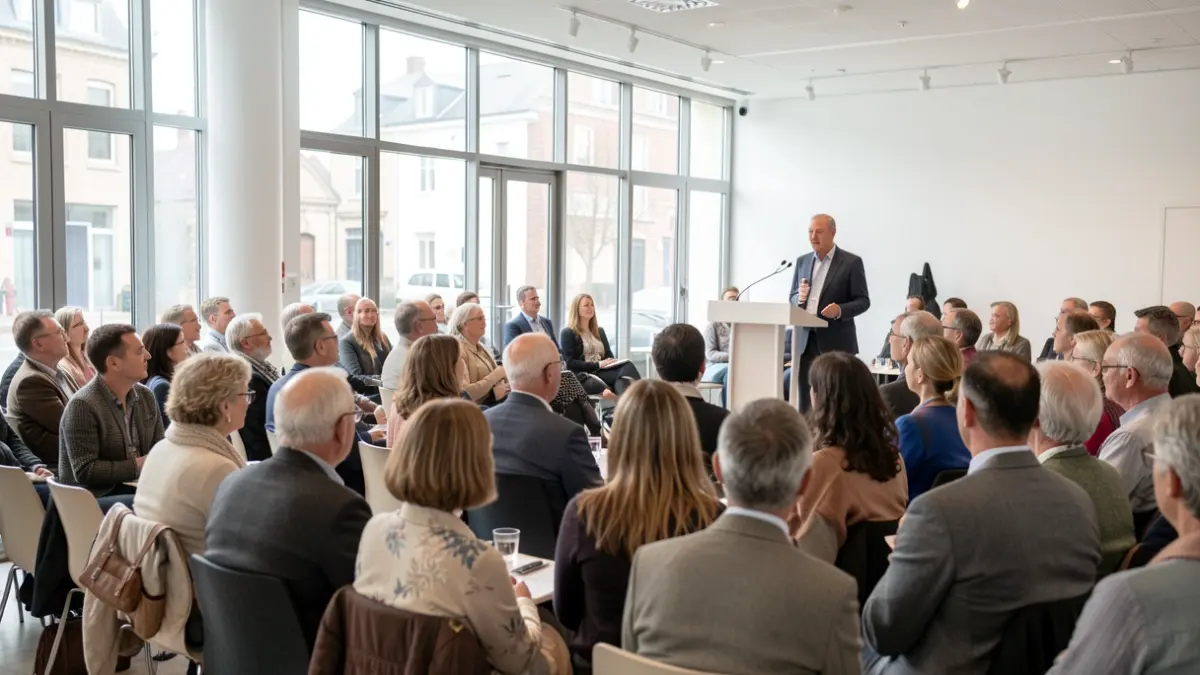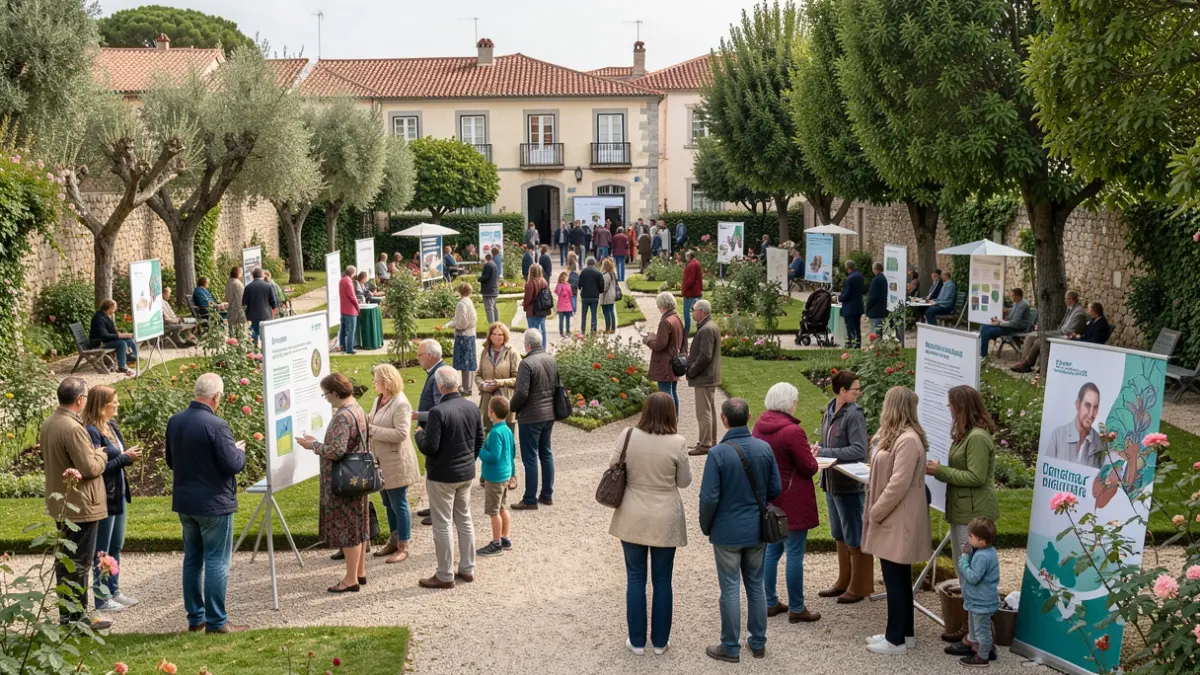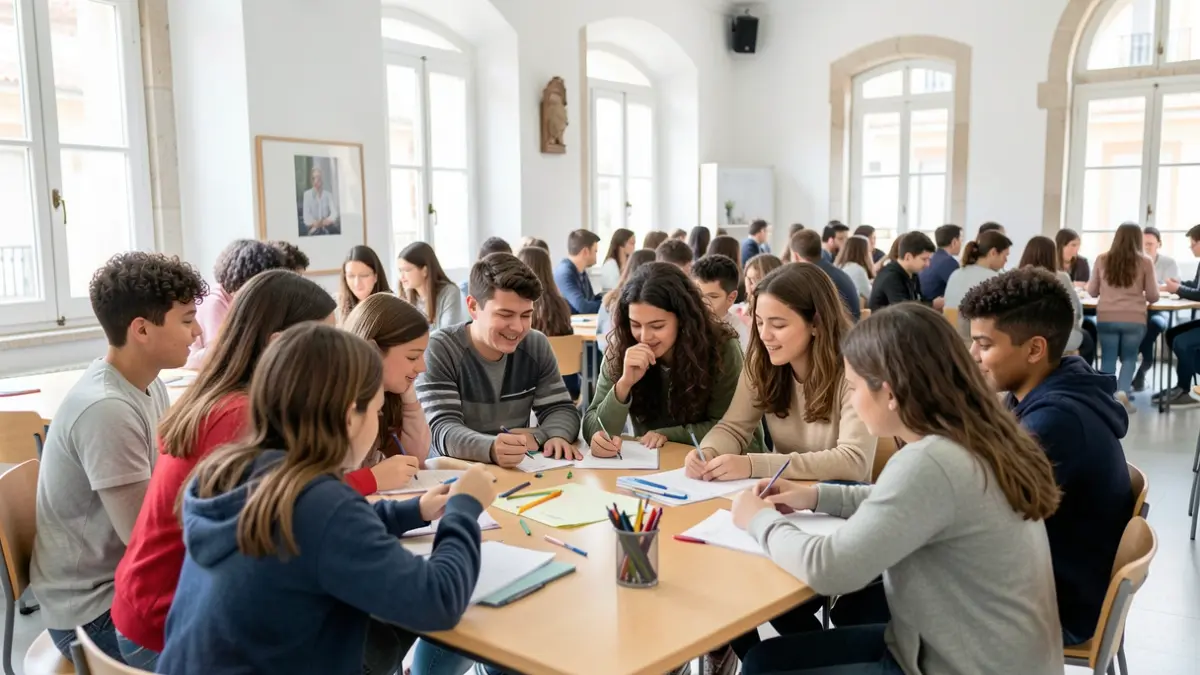
At the conference “Inclusive Education: moving from the skin's surface to everyone's skin”, part of the FÓLIO – Óbidos International Literary Festival, João Costa emphasized the importance of fostering a sense of belonging for learning to occur. He also advocated for the implementation of preventive models to identify each student's difficulties as early as possible, rather than universal measures.
The head of the European Agency for Special Needs and Inclusive Education explained that the agency aims to draw on the experience of 32 countries to promote the sharing of good practices. "I find incredible experiences in many schools, but they often depend on the goodwill of a particular professional," he observed, citing the example of a Portuguese History teacher who adapted her explanations for students with difficulties.
“"It is important to give opportunities for access to everyone. Not through an easier curriculum, but one that invites each of us to go as far as possible. Belonging and well-being are fundamental. We don't need a medical model, nor to put a label on each child's forehead, but to understand why some have difficulty learning."
João Costa, who uses a cane for support, illustrated this with a simulated race involving a 12-year-old student, highlighting the importance of providing access opportunities for all by focusing on individual potential rather than simplifying the curriculum. He also mentioned that not knowing Portuguese, living in a context of violence, going to school hungry, or being a victim of bullying are factors that hinder learning.
The former Minister of Education advised the educational community to be attentive to signs of sadness or difficulty in students, assuring that "I learn better because I am well, and I am well because I learn better." He pointed to the lack of preventive models and the "boom of neurodiversity" (hyperactivity, attention deficit, autism) as reasons for learning difficulties.
Despite the progress made over time, Costa believes that inclusion is now in a "leap" phase, facing new challenges such as increasing inequality, poverty, cyberbullying, the digital divide, economic instability, insecurity, polarization, and climate and demographic changes.
A document outlining the 10 pillars of inclusive education was revealed: student well-being and belonging, family and community participation, lifelong learning, professional training and development, curriculum and assessment innovations, digital transformation and AI, intersectoral collaboration, inclusive governance and leadership, quality assurance and monitoring, and funding and resource allocation.
He also recalled an incident at a Portuguese school during an earthquake drill, where a child in a wheelchair was "included" by being placed under a table by a classmate, contrasting with another child whose wheelchair was simply turned around so they could see. "Every time we include someone who was on the outside, we are building a freer society," he concluded.