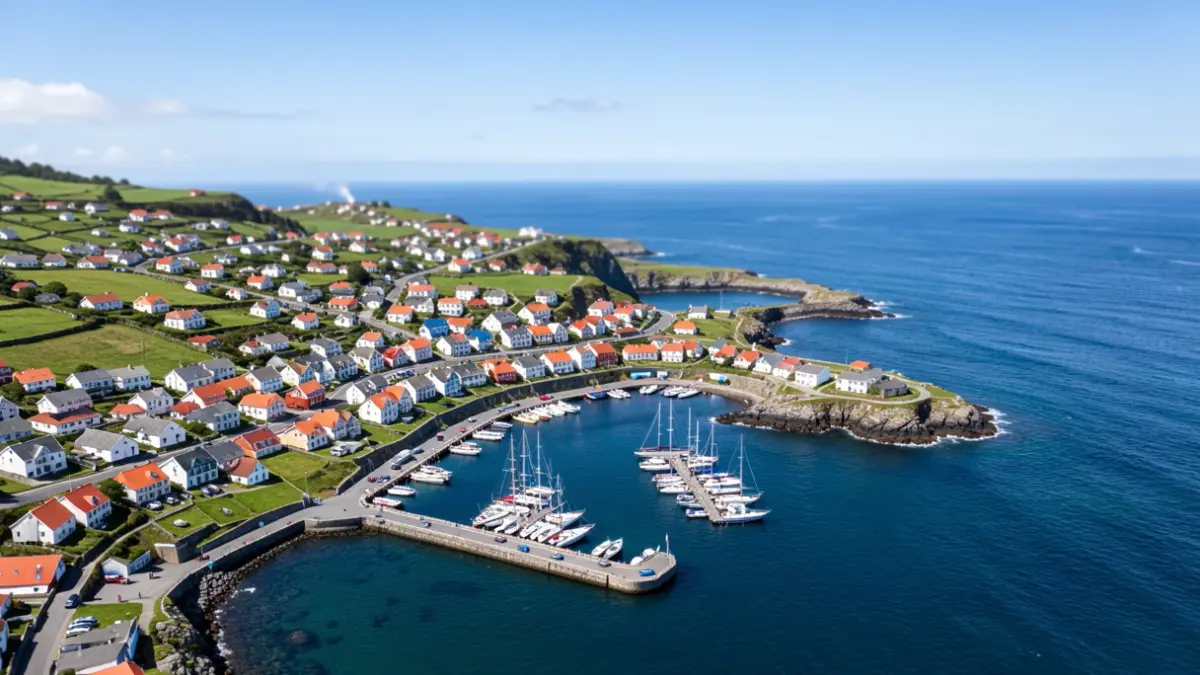
With these two new distinctions, Portugal now has a total of six sites recognized in this international initiative. The newly selected geosites join the Canelas trilobite deposit (Arouca), the angular unconformity of Ponta do Telheiro (Vila do Bispo), the Capelinhos volcano (Faial, Azores), and the dinosaur footprints of the Serras de Aire e Candeeiros.
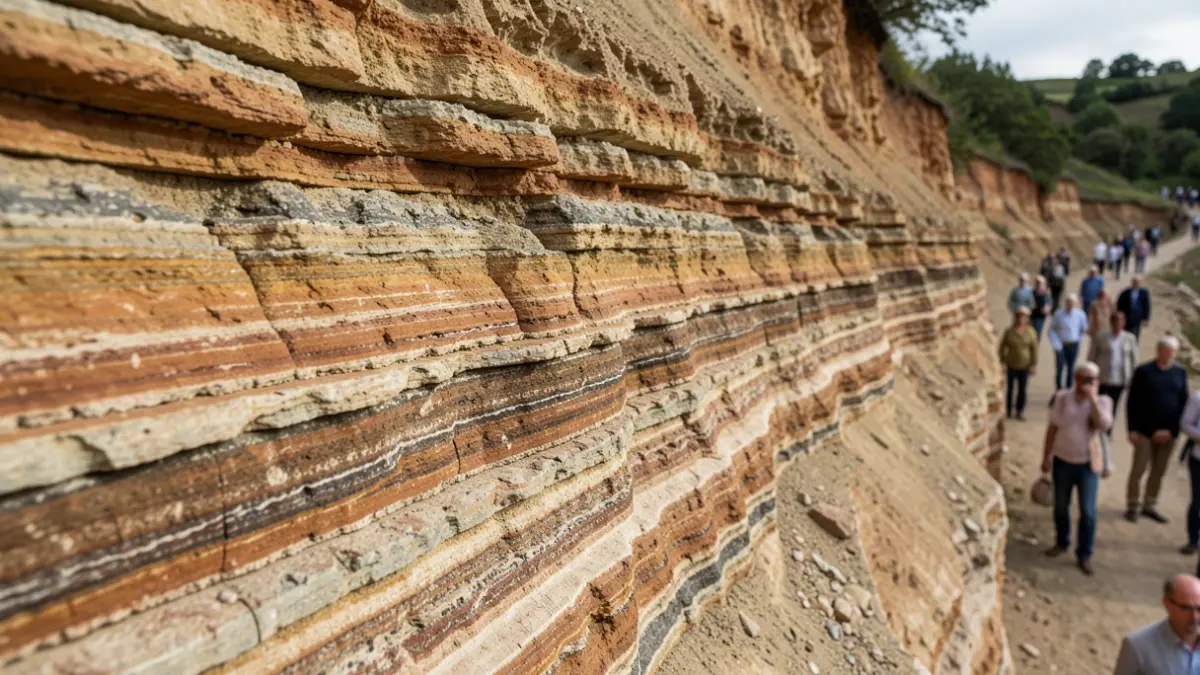
The cliffs of Peniche preserve a geological record of the Lower Jurassic, with marine sedimentary successions that allow for the study of an extensive part of this period of Earth's history. At Ponta do Trovão lies the GSSP (Global Boundary Stratotype Section and Point) for the Toarcian, an international reference for defining this geological interval. The candidacy for this geosite was led by Luís Vítor Duarte, a professor at the University of Coimbra, with participation from Susana Machado and João Matos (LNEG), and José Brilha and Paulo Pereira (University of Minho).
The Alkaline Complex of Monchique, formed about 69 million years ago, is a testament to the magmatic activity of the Upper Cretaceous. It stands out for the diversity of its alkaline lithologies, being relevant for the study of this type of magmatism.
The presence of six Portuguese sites in the IUGS selections highlights the scientific relevance of the national geological heritage and its international recognition. LNEG has contributed to the study and valorization of this heritage, having also submitted the candidacy for the angular unconformity of Ponta do Telheiro.
The 100 IUGS Geological Heritage Sites aim to provide international visibility to locations that are references for Earth Sciences and contribute to deepening the knowledge of the planet's geological history.