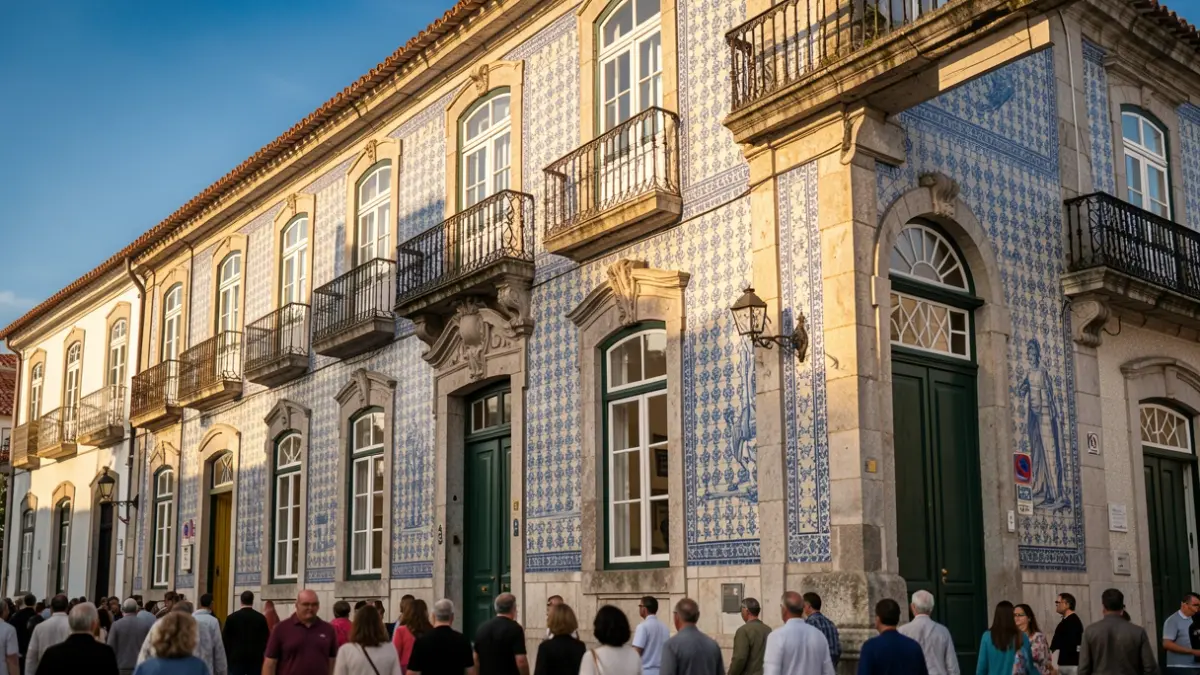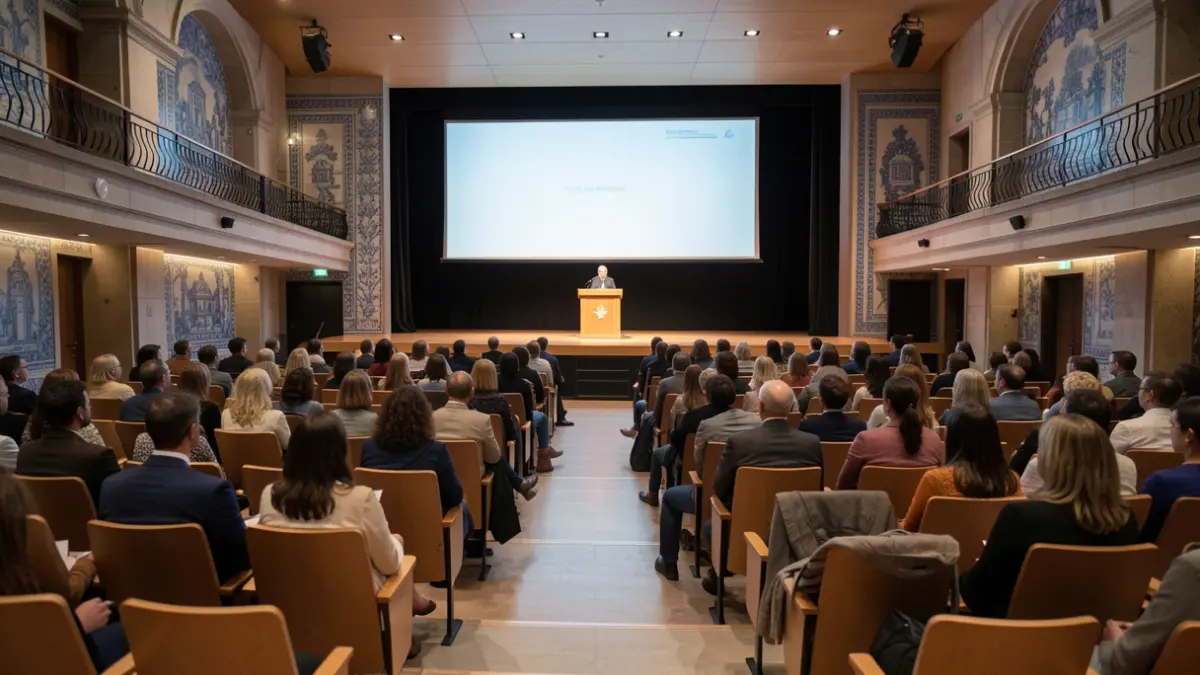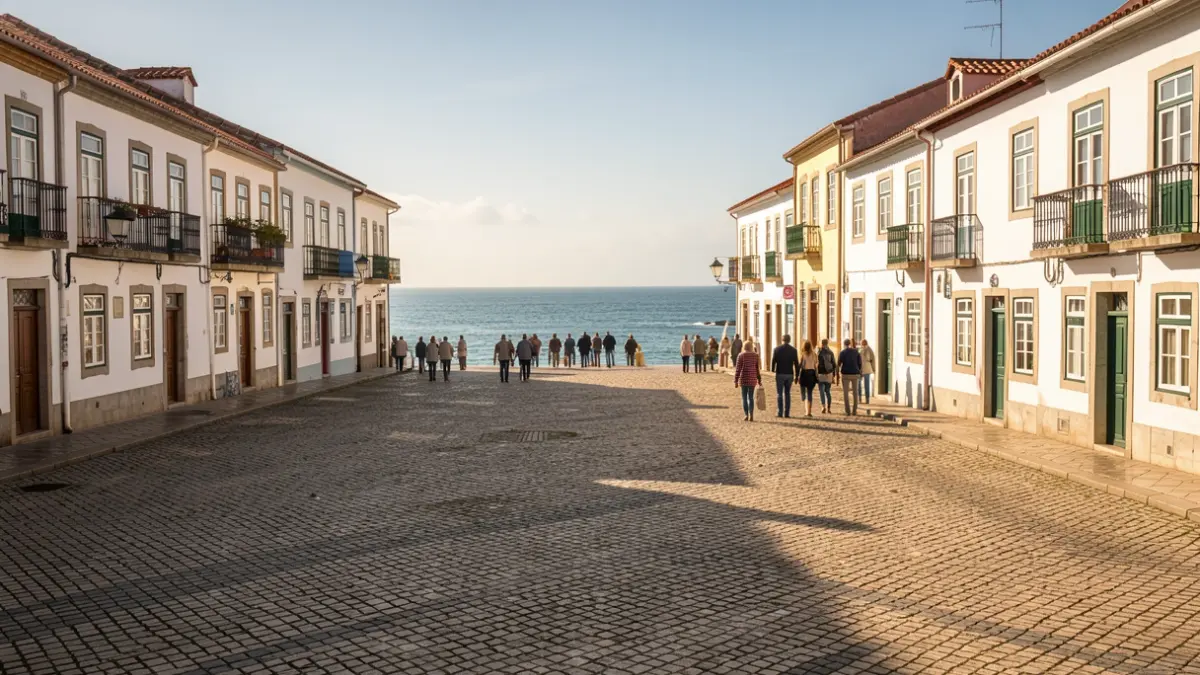
On the eve of the anniversary of the 1755 earthquake, Lagos hosted the Meeting on Urban Risks, a joint initiative by the Portuguese Association of Municipalities with Historic Centers, the European Center for Urban Risks, and the Lagos Municipal Chamber. The event gathered specialists, technicians, and political decision-makers to discuss the growing issue of urban risks.
Topics covered included climate change, the risk of storms and floods, lessons learned from storm “Kristin”, the risk of fires in historic centers and the urban-rural interface, as well as seismic and tsunami risks. The meeting reinforced the need for scientific knowledge to support political decisions, foster a culture of prevention, and invest in the training of civil protection agents.
Hugo Pereira, Mayor of Lagos and president of the APMCH, highlighted the increased current awareness of urban risks, emphasizing the importance of monitoring, preparation, and strengthening collective resilience.
Mónica Amaral Ferreira, president of the European Center for Urban Risks (CERU), recalled the connection to Lagos through Prof. Luís Mendes Victor and warned of Portugal's increasing exposure to complex and interconnected risks. She stressed the need to rethink urban planning, construction, and land management, as well as cascading impacts and disaster costs.
Abel Gomes, representing the National Authority for Emergency and Civil Protection (ANEPC), highlighted the rise of natural events in urban areas and the importance of anticipation, preparation, and individual resilience.
The first panel, moderated by Ricardo Duarte, addressed the risk of storms and floods, focusing on the damage caused by storm “Kristin” in 2026, classified as the most catastrophic natural event since the 1755 earthquake. Identified vulnerabilities, infrastructure impact, and the estimated four years for recovery in the Leiria district were discussed.
Paulo Fernandes, coordinator of the Mission Structure for the recovery of areas affected by storm “Kristin”, presented data on the extent of damage, estimated at over 5 billion euros, affecting mobility, housing, and businesses. He highlighted the difficulty in quantifying damage and the need for rapid response models and multi-level approaches.
Paulo Vicente, Mayor of Marinha Grande, shared lessons from storm “Kristin”, focusing on crisis management and resilience building. He emphasized the importance of investing in prevention, planning, resilient reconstruction, and technology.
Andreia Rodrigues, municipal civil protection coordinator for the Coimbra Municipal Chamber, presented the topic “Extreme climatic phenomena – when prevention wins”, analyzing decisive factors for an effective response despite unforeseen events, and the role of Civil Protection in citizen protection.
The second panel focused on “Fire Risk”, with contributions from António Bento Gonçalves (University of Minho), who warned about the difficulty of controlling mega-fires and the importance of citizen involvement, and Marta Alves Rodrigues (Torres Vedras), who addressed the challenges and vulnerabilities of historic centers.
António Ângelo dos Santos (Aljezur) and Márcio Regino (Lagos) presented the practical case of the 2025 fire in the urban-rural interface, highlighting the need for inter-municipal cooperation and planning for low-density territories, as well as the importance of logistics and institutional coordination.
The final panel was dedicated to “Seismic and Tsunami Risk”. Carlos Sousa Oliveira (Instituto Superior Técnico) discussed what recent earthquakes teach us, emphasizing the failure in implementing studies and the need for a robust response structure. André Fernandes (Lisbon) presented the Tsunami Risk and Alert System in the Tagus Estuary, and Paulo Santos (Loulé) detailed the project implemented in the Algarve municipality, with “Tsunami Ready” certification.
Pedro Almeida and Márcio Regino (Lagos Firefighters) presented the work of the Special Rescue Group (GSE), prepared for various rescue operations using advanced technology.
In conclusion, Mónica Ferreira (CERU) highlighted the importance of disseminating scientific knowledge and strengthening risk literacy. Paulo Jorge Reis (Lagos Municipal Chamber) closed the event, noting the evolution of public opinion and the importance of risk culture and resilience as competitive factors.