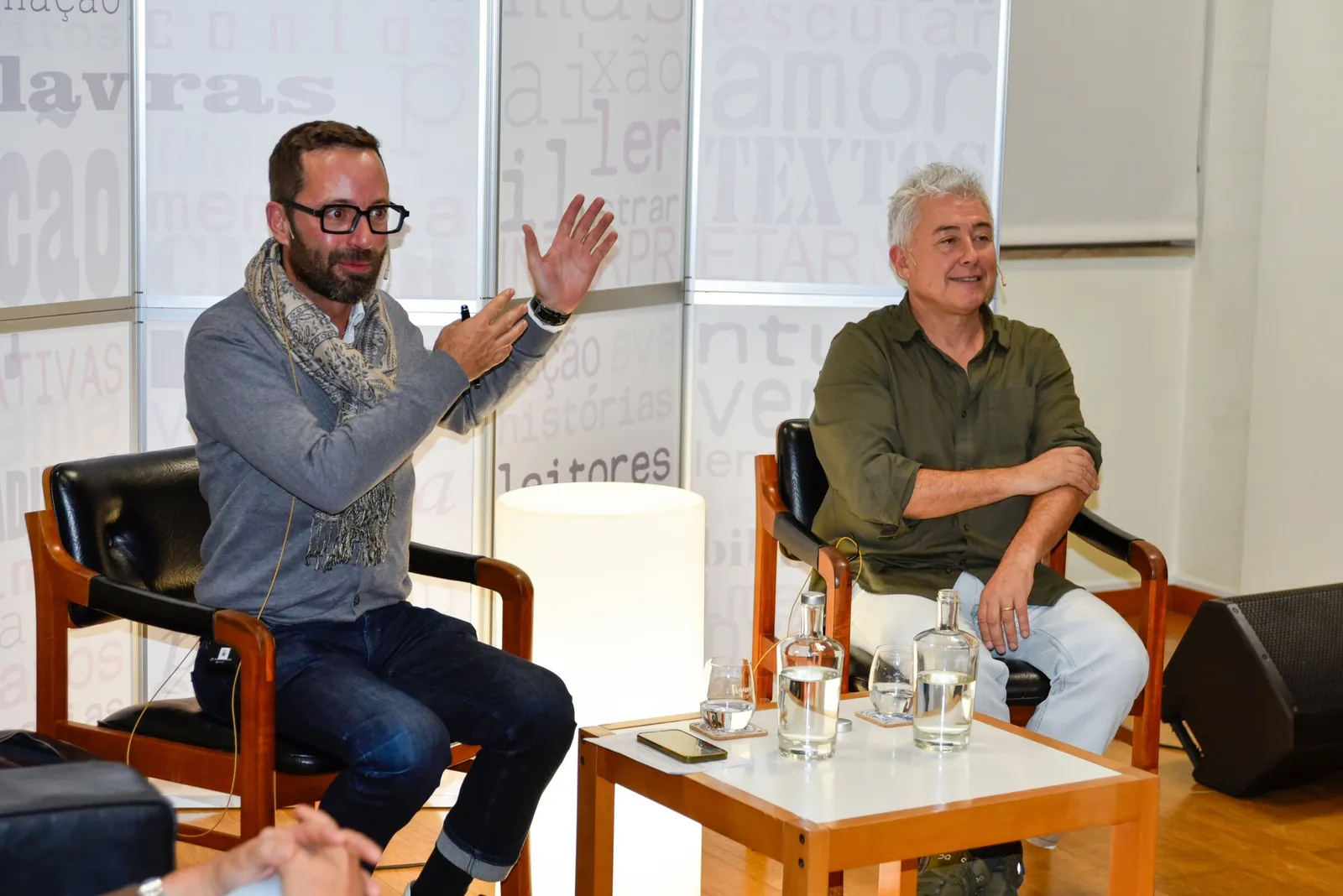
The initiative, coordinated by the Seminário Maior de Coimbra and the National Museum Machado de Castro, partnered with the Municipalities of Arganil, Cantanhede, Coimbra, Góis, Lousã, Montemor-o-Velho, and Pampilhosa da Serra, among other entities. Throughout the meeting, different dimensions of his artistic career were explored, including the relationship between art and spirituality, the connection with nature, modernity, and the various forms of expression that marked his production, such as drawing, woodcut, and stained glass.
The colloquium featured contributions from Paulo Pires do Vale, Duarte Freitas, José Augusto Bernardes, Marco Daniel Duarte, and Elisabete Oliveira, who presented perspectives on Nunes Pereira's work, deepening the understanding of his artistic uniqueness and the historical, cultural, and spiritual context in which it developed.
A panel dedicated to the human and artistic dimension of Nunes Pereira, with the participation of Maria Leonor Castro Nunes, José Maria Pimentel, and Sérgio Elizeu, allowed for the discovery of other facets of the artist through the sharing of personal memories and experiences.
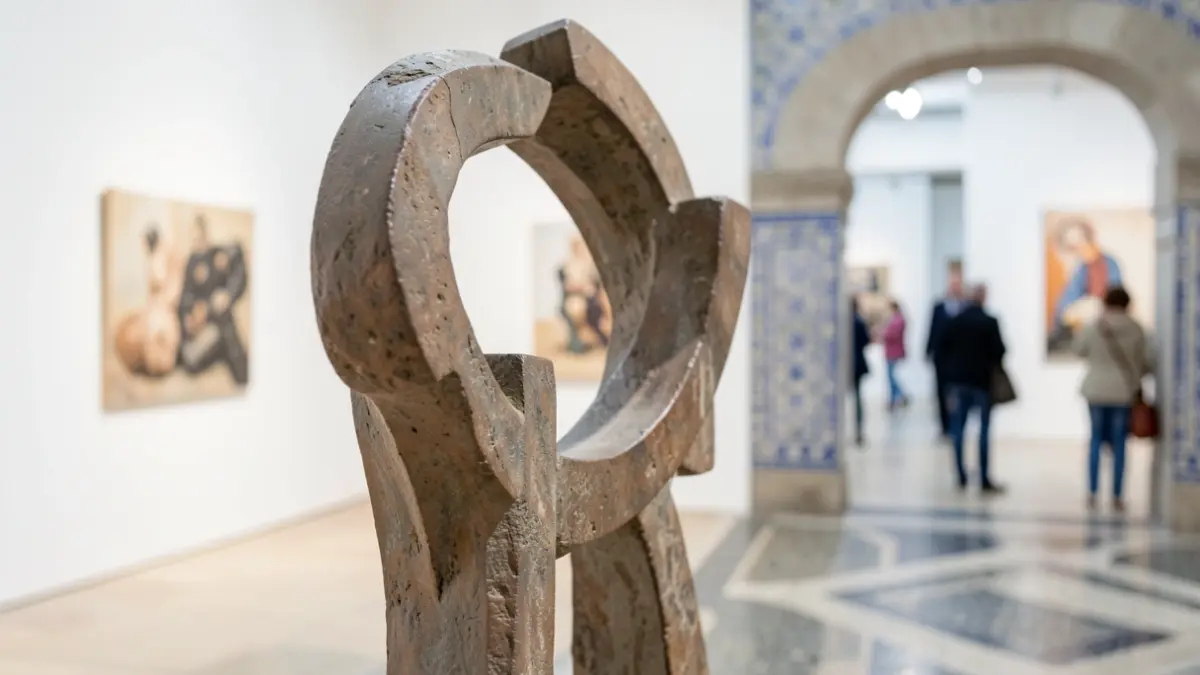
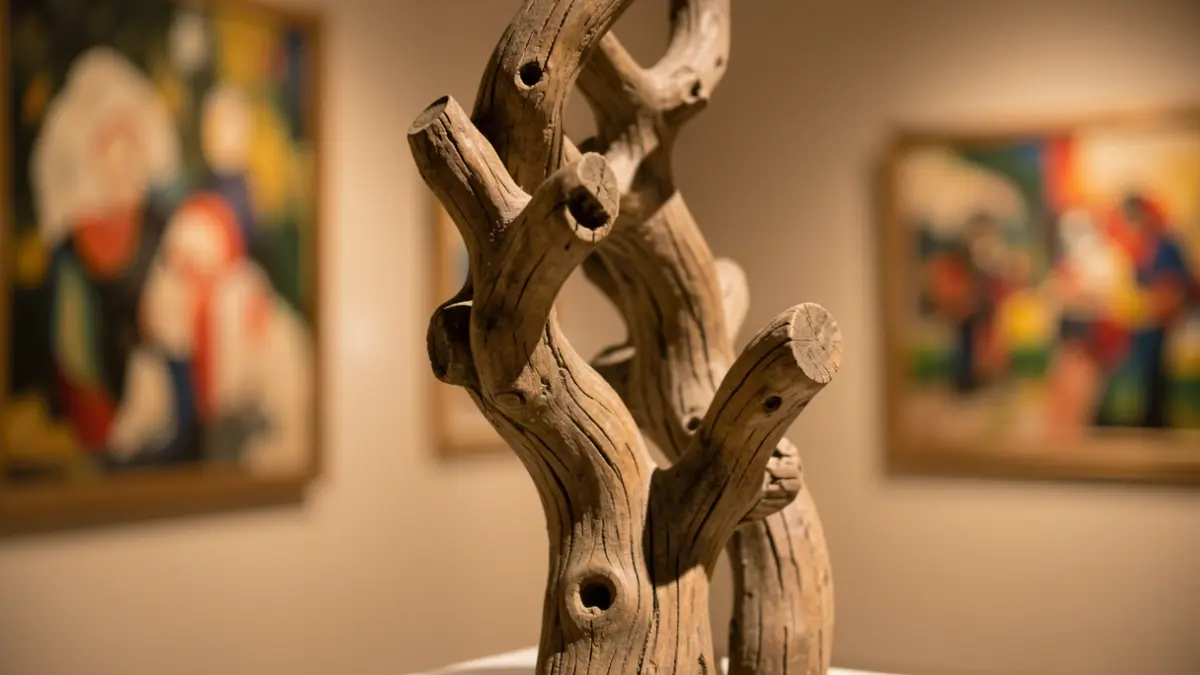
The event concluded with a musical moment by Miguel P. and Alberto Restivo, inspired by a poem by Nunes Pereira, followed by the inauguration of the exhibition "A Criação" (The Creation), by the National Arts Plan. This exhibition showcases works by students developed from a sculpture by Nunes Pereira and using natural materials, highlighting the relevance of his work for new generations.
The colloquium called for a thorough study of Augusto Nunes Pereira, further research, and greater visibility for his legacy, recognizing his contribution to the history of Portuguese art.