The study, developed in partnership with the Instituto de Apoio à Criança and Estrelas & Ouriços, gathered responses from over a thousand families with children up to 12 years old. A significant novelty of this edition is the direct inclusion of children's perceptions of play, allowing their perspectives to be known.
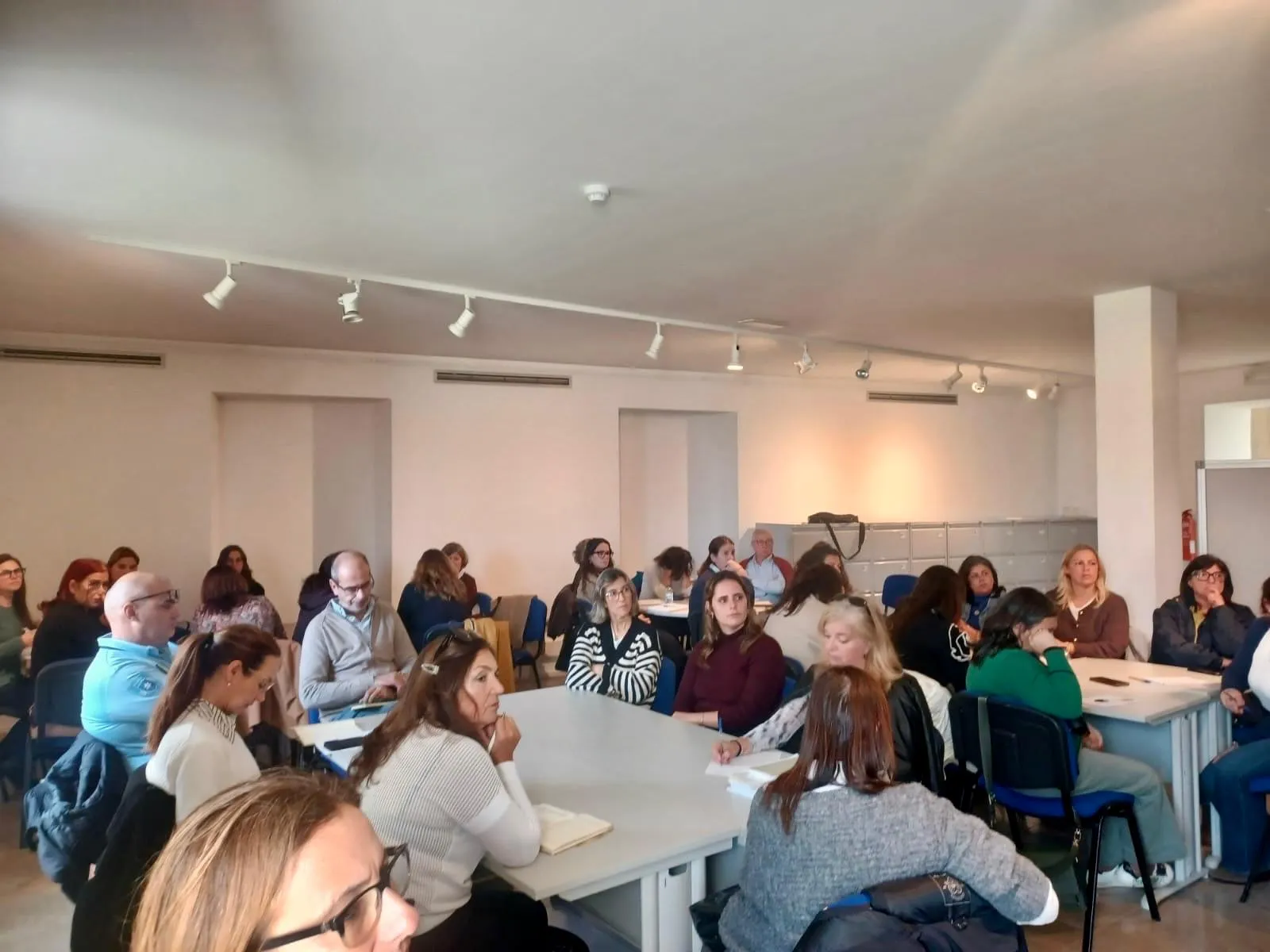
The results were presented on October 29th, during the 7th Estrelas & Ouriços Conference, in Paço de Arcos, Oeiras, with online transmission. The session was attended by the Pro-Rector of UPCoimbra, Hélder Santos, and the data presentation by Rui Mendes, Professor at ESEC and scientific coordinator of the project.
Hélder Santos highlighted the importance of play in child development and ESEC's contribution to this area, through research and training programs like the Master's in Play and Motricity in Childhood.
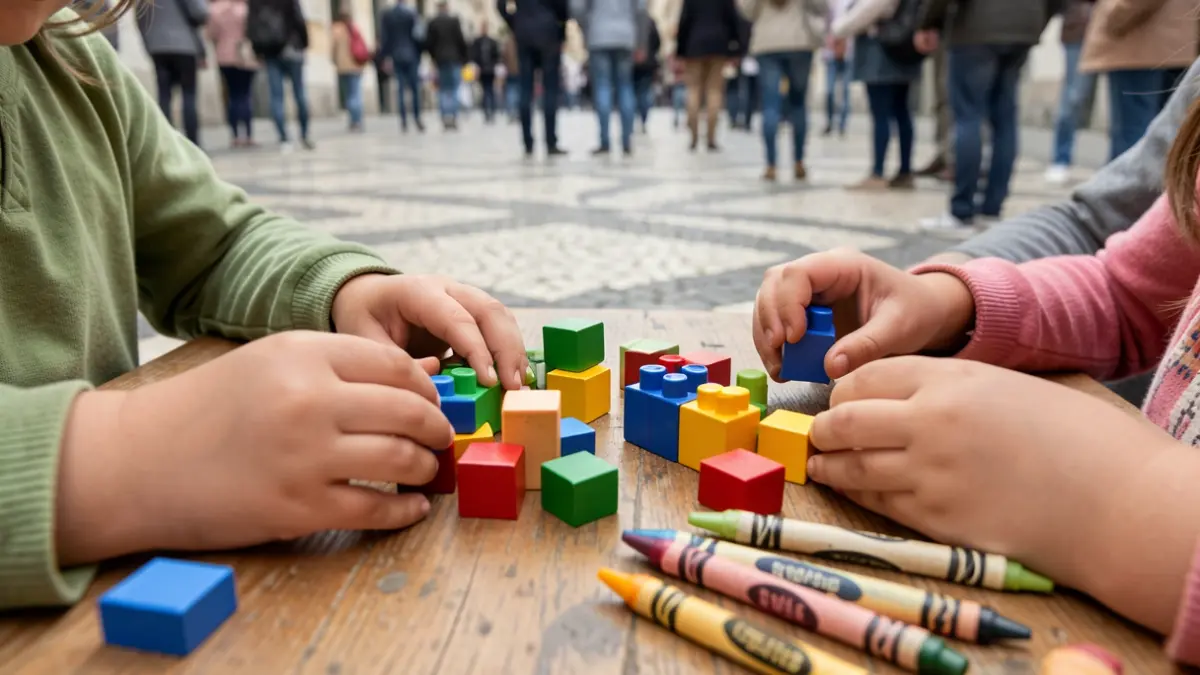
The research, designed and analyzed by ESEC/UPCoimbra, introduces an innovative perspective by comparing children's and adults' perceptions of play experiences, revealing 133 divergences with parents' responses. Rui Mendes mentioned that 30 children were interviewed to understand their concept of play.
Lack of time remains the main obstacle, affecting over half of respondents (51.9%). Difficulty in reconciling work schedules and family life is pointed out by 27.7%. Home is the primary play space (65.1%), but almost a third of families (29.4%) wish for more opportunities for outdoor play.
Rui Mendes emphasized that "the biggest obstacle identified by parents is not space or lack of toys, it is time. The daily workload and the inability of most people to reconcile their time with the child's time limits our capacity to provide moments of play".
“"The main obstacle to play is not the lack of space or toys. It is the lack of time."
The study also points to the insufficiency of toys and materials in schools (82.7% of families). It is also observed that the time dedicated to play significantly decreases with age, often being reduced to recess moments in later school cycles.
Rui Mendes advocates for valuing children's free time more and leveraging natural curiosity to stimulate creativity, discovery, and learning in schools.
The Portugal a Brincar IV – 2026 study aims to provide relevant information for educational policies, family time organization, and the qualification of school and public spaces, reinforcing ESEC/UPCoimbra's commitment to applied research and children's rights.